Snake Plant Care: A Guide to the Toughest Houseplant
Everything a snake plant needs to thrive indoors: water when the soil is bone dry, roughly every two to six weeks, plus light and the mistakes that kill it.
Some links in this guide go to Amazon. As an Amazon Associate we earn from qualifying purchases, at no extra cost to you. How this works.
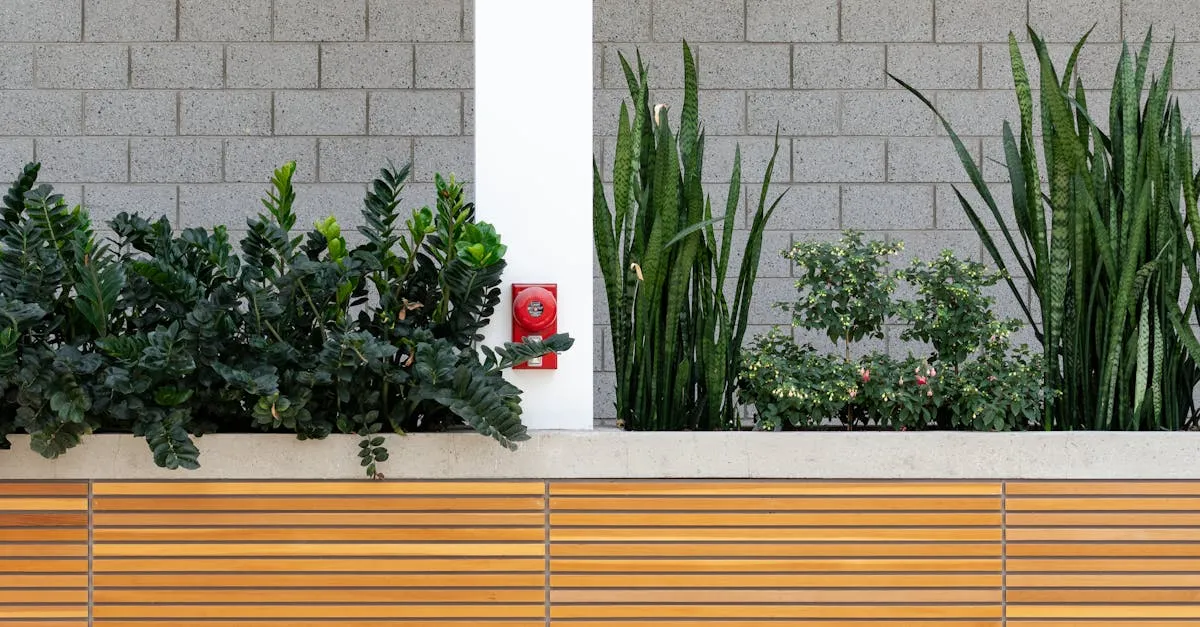
The snake plant earns its reputation honestly: it survives low light, dry air, irregular attention, and weeks of neglect without complaint. If yours is struggling, the cause is almost always too much water, not too little. Treat it as a plant that wants to be left alone, and it will outlast most things in your home.
Why the snake plant is so hard to kill
Sansevieria, now reclassified as Dracaena, stores water in thick upright leaves and a network of underground rhizomes. That reserve means it can coast through long gaps between watering, which is exactly what makes it forgiving. The same trait is its weakness: those tissues rot quickly when waterlogged. Nearly every snake plant that dies indoors dies wet, not thirsty. If you only remember one rule, remember that the plant is built to handle drought and has no defense against a soggy pot.
Light: tolerant, but happier bright
Bright, indirect light produces the fastest growth and the strongest leaf markings. A spot near an east or north window is ideal.
Low light is tolerated, which is why the snake plant appears on every list of low-light houseplants that actually survive. It will simply grow slowly and stay smaller.
Direct, harsh sun through glass can scorch leaves, though an acclimatized plant copes with some morning sun. If you are unsure how to read your conditions, see our guide to how much light your houseplant actually needs.
Which variety you have changes the care slightly
Most care advice is the same across the genus, but a few common cultivars want one tweak each.
| Variety | One care tweak |
|---|---|
| Laurentii (yellow-edged) | Needs the brightest spot of the group, or the yellow margins fade. Propagate by division only; leaf cuttings lose the edge. |
| Cylindrica (round spears) | The fat cylindrical leaves hold even more water, so stretch waterings further and never let it sit wet. |
| Moonshine (pale silver) | The light leaves scorch faster in direct sun than dark-leaved types, so keep it in steady indirect light. |
| Hahnii (bird’s nest, dwarf) | The low rosette traps water in its center. Water the soil, not the crown, and let it drain fully. |
| Variegated (any) | Slower and weaker than green forms, so give it more light and feed even more sparingly than usual. |
How rarely to water it
This is where most people go wrong. Water only when the soil is completely dry all the way down, then water thoroughly until it drains from the bottom.
In practice that means roughly every two to three weeks in summer and every four to six weeks in winter, but use the soil, not the calendar. Three reliable ways to check, best first:
Lift the pot. A pot of bone-dry soil is noticeably lighter than a watered one. Learn the dry weight of yours and you can judge thirst in two seconds without touching the soil. Lucy Liu, who handles rows of snake plants potted in gritty pumice mix at her London nursery, reads them entirely by hauling the pot up and feeling the heft, and trusts that over any gadget.
Leave a wooden chopstick in for ten minutes. Push it to the bottom, wait, then pull it out. Soil clinging to it, or a darkened damp tip, means there is still moisture down low. Wait.
Distrust a moisture meter in gritty mix. A cheap metal probe meter works by reading electrical conductivity through the soil, so it needs steady contact with damp material to give a true number. The chunky pumice and lava rock a snake plant wants is full of air pockets that break that contact, and the dial then reads bone dry even when the rock is still holding water. Lucy finds these meters are simply unreliable in that mix, so trust the pot weight and the chopstick over the dial.
Winter and summer differ for a reason worth knowing. Short winter days mean the plant uses far less water, and cold soil dries slowly, so a plant in a cool room can go weeks longer than the same plant in a warm radiator hallway. The interval is a starting point, not a schedule: if the pot still feels heavy, skip the watering entirely, even if a month has passed.
When in doubt, do not water: a thirsty snake plant recovers in a day, a rotted one does not recover at all.
If the leaves start to wrinkle or curl, the plant is genuinely thirsty. We cover that fully in why snake plant leaves curl.
Soil and pots
Soil. Use a fast-draining mix. A standard houseplant compost cut with about one-third perlite, coarse sand, or a cactus and succulent mix works well. Plain potting soil holds too much water.
Pots. A drainage hole is not optional. Terracotta is the safest choice because it pulls moisture out of the soil between waterings. Choose a pot only slightly larger than the root ball, as a snake plant flowers and grows best when somewhat snug.
Repotting. Repot every two to three years, or when roots crack the pot or push the plant upward. Spring is the best time. Our guide to repotting without killing the plant walks through the process.
Temperature and feeding
Normal room temperatures of 65 to 80°F (18 to 27°C) suit it perfectly. Keep it above 50°F (10°C) and away from cold drafts and frosty windows in winter. It does not need raised humidity, so ignore the misting advice that follows most houseplants around.
Feeding is barely necessary. A diluted balanced fertilizer once or twice during spring and summer is plenty; none in winter. See how to fertilize houseplants for the right dilution.
Rescuing a plant that has started to rot
First decide what you are looking at. A single old leaf yellowing and softening at the very edge of the clump is normal aging, so just pull it off. A leaf that is mushy and pale right at the soil line, often with a sour smell, is base rot spreading from the rhizome, and that needs action.
Unpot the plant and look at the rhizome and roots. Cut back to firm white tissue: healthy snake plant flesh is pale and solid, while rotted tissue is brown, soft, and pulls apart wet. Let the cuts callus in open air for a day, then repot in dry, fresh mix and do not water for a week.
Be honest about the odds. If the central rhizome is mushy through, the plant is usually lost. Salvage instead any firm offsets or a healthy outer leaf as a fresh start. For the full method, see root rot treatment.
Common problems
Brown, crispy leaf tips. Usually inconsistent watering or, occasionally, tap water minerals. Our article on brown leaf tips covers the fixes.
Pests. Rare, but mealybugs and spider mites can appear. Wipe leaves and check the undersides if growth looks off.
A note for pet owners. Snake plants are mildly toxic to cats and dogs if chewed. If that matters, choose from genuinely pet-safe houseplants instead.
Propagation
Division is the fastest and most reliable method. At repotting time, pull the plant apart so each section has roots and at least one leaf, then pot the divisions separately.
Leaf cuttings also work but take months. Cut a healthy leaf into 3 inches (8 cm) sections, let the cut ends callus for a day or two, then stand them upright in barely moist soil. Note that variegated forms lose their color edge when grown this way. For the wider method, see how to propagate houseplants from cuttings.
The habit that keeps a snake plant alive for years
The single change that protects it is to stop watering on a fixed day and check the pot’s weight first every time, because a plant you leave too dry recovers in a day while one you keep too wet rots from the rhizome out. As the light drops through autumn and winter, deliberately stretch the gaps longer rather than holding to your summer interval, and resist the urge to “help” a slow plant along with extra water or feed. Get that one restraint right and the snake plant will quietly outlast almost everything else on the shelf.
Where to go next
Why Are My Snake Plant Leaves Wrinkled or Shrivelled?
Wrinkled snake plant leaves usually mean the plant cannot take up water, which is more often root rot than thirst. Here is how to tell the two apart.
Snake Plant Benefits, Bedroom Air, and Feng Shui Meaning
Snake plants get credit for cleaning air, releasing oxygen at night, and bringing good feng shui; here is what holds up and what is overstated.
Why Is My Snake Plant Drooping or Falling Over?
Snake plant leaves that flop, splay, or fall over usually trace back to overwatering and root rot, with low light and stress adding to it.
Not sure what plant you have? Identify it from a photo and we will point you at its care guide.
Frequently asked questions
Why is my snake plant leaning over?
Two causes usually combine. In low light the leaves stretch and weaken at the base, so they flop outward instead of standing upright. An oversized pot makes it worse, because the plant has no snug root mass to brace against and the slow-drying soil softens the base. Move it brighter and pot it snug.
Does a snake plant really clean the air in my home?
Not in any way you would notice. The NASA result that started this claim came from a sealed laboratory chamber, not a furnished room with normal air exchange. To match that removal rate you would need dozens of plants per room. Grow it because it is easy and you like it, not as an air purifier.
Sources
- Wolverton, B. C., et al. Interior Landscape Plants for Indoor Air Pollution Abatement. NASA, 1989.