Why Is My Snake Plant Drooping or Falling Over?
Snake plant leaves that flop, splay, or fall over usually trace back to overwatering and root rot, with low light and stress adding to it.
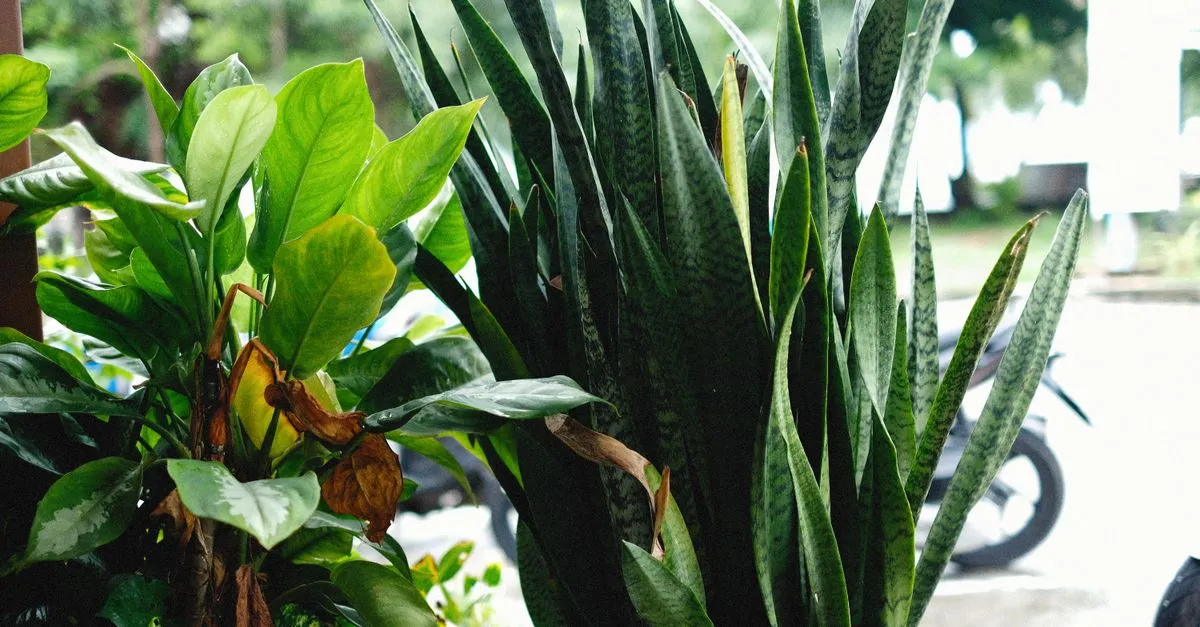
A snake plant that flops open from the center or leans over the pot rim is nearly always telling you one thing: it has had too much water. If you are asking why is my snake plant drooping, look at the roots and the soil first, not the watering can, because the honest answer is that the plant almost certainly wants less water, not more. Once a leaf has gone soft and squishy near the base, it rarely stiffens back up, so your job is to protect the healthy leaves and roots, not to revive the ones already lost.
Quick answer
A snake plant that flops open from the center or leans over the rim has almost always had too much water. Check the base of the leaves and the roots first, not the watering can: soft, pale, or squishy bases mean rot is underway, so cut the affected roots and leaves, repot into gritty, fast-draining mix, and then water far less than you think. A leaf that has already gone soft at the base will not stiffen back up, so protect the healthy ones instead. Too little light and an oversized pot that stays wet both make it worse. Rule out overwatering below before anything else.
Why is my snake plant drooping? Overwatering comes first
This is the cause behind the large majority of drooping snake plants, so rule it out before anything else. Snake plants (Dracaena, formerly Sansevieria) store water in their thick leaves and roots, which means they cope with drought easily but rot quickly in soil that stays wet. When the roots sit in moisture they suffocate and begin to rot, and once they can no longer support the leaf, that leaf softens, splays outward, and folds over at the base.
Check the base of the leaves. Press gently where each leaf meets the soil. Firm and upright is healthy. Soft, wrinkled, pale, or yellowing at the base means rot is already underway.
Check the roots. Slide the plant out of its pot. Healthy roots are firm and pale orange. Rotten roots are brown, mushy, and smell sour or musty.
Act. Cut away every soft root and leaf with clean snips, let the plant dry for a day, and repot into fresh, gritty, fast-draining mix. Then water far less than you think you need to. Our guides on root rot and saving an overwatered plant walk through the full rescue.
A snake plant forgives you for forgetting it far more readily than it forgives a generous hand with the watering can.
Too little light makes leaves stretch and lean
If the roots are firm and the soil is not soggy, look at the light. A snake plant tolerates low light, but tolerating is not the same as thriving. In a dim corner the leaves grow tall, thin, and floppy as they reach for a brighter source, and they lean rather than stand because the new growth is weak.
Move it closer to a window. Bright, indirect light keeps the leaves stiff and vertical. A spot within 3 feet (1 m) or two of an east or north window suits it well, and a little direct morning sun does no harm.
Turn the pot. Give it a quarter turn every week or two so it grows evenly instead of leaning towards the light on one side.
Leaves that have already stretched will not shorten again, but new growth will come in firmer once the light improves. See how much light houseplants need if you are unsure what your spot offers.
An oversized pot holds too much wet soil
A pot much larger than the plant is a quiet contributor to the same rot problem. A large volume of soil holds a large volume of water, and a small root system cannot drink it fast enough, so the mix stays wet for days and the roots suffer. This is why repotting a snake plant into a big container to give it “room to grow” so often backfires.
Size the pot to the roots. Choose one only 3/4 to 1 inch (2 to 3 cm) wider than the root ball, with a drainage hole. Terracotta helps, since it wicks moisture and dries faster than plastic or glazed ceramic.
What to do with leaves that have already flopped
Be honest about which leaves are worth keeping. A leaf that is soft and mushy at the base will not recover, so cut it right down at the soil line to stop the rot spreading. A leaf that is firm but simply leaning from weak light may straighten with better conditions, or you can stake it loosely for support. Firm cuttings can still be propagated, so a drooping plant is rarely a total loss. For the routine that prevents all of this, see snake plant care.
Getting a floppy snake plant back on its feet
Nearly every drooping snake plant is asking for less water and more light, in that order. Check the roots first, cut away anything soft, repot into a snug pot with fast-draining mix, and move the plant somewhere brighter. Then water only when the soil is dry all the way through, and watch the next flush of growth come in firm and upright.
Where to go next
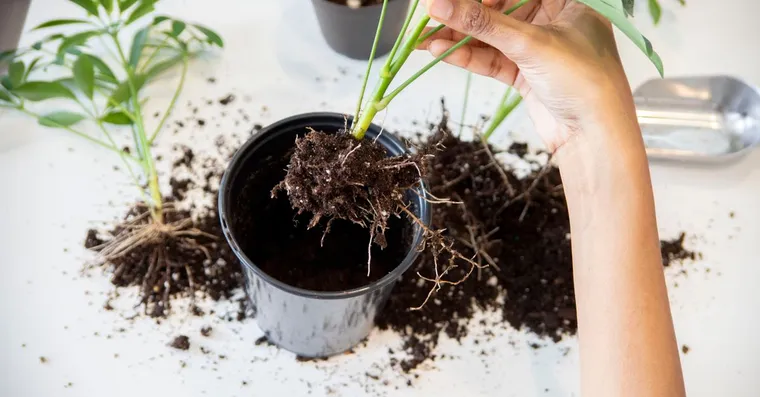
What Does Root Rot Look Like? Signs at Every Stage
Root rot is diagnosed at the roots, not the leaves. Here is what healthy and rotting roots look like, and which above-ground signs point to it.
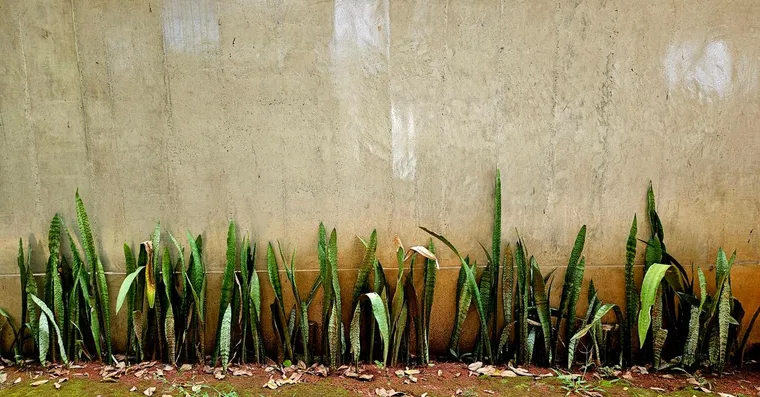
Why Are My Snake Plant Leaves Wrinkled or Shrivelled?
Wrinkled snake plant leaves usually mean the plant cannot take up water, which is more often root rot than thirst. Here is how to tell the two apart.
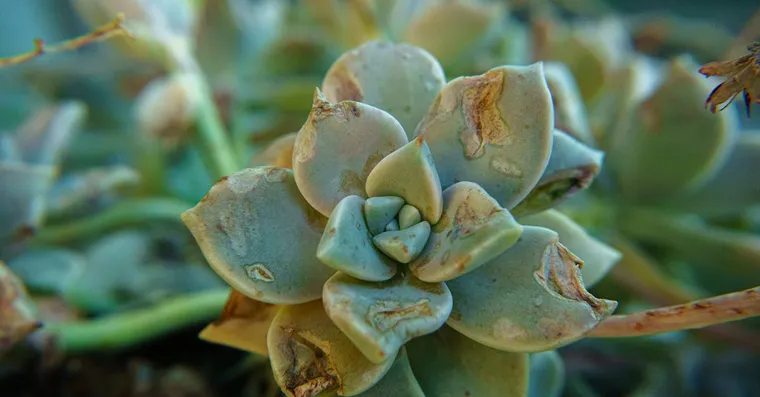
Why Is My Succulent Soft and Mushy?
How to diagnose a soft, mushy, or translucent succulent, tell overwatering from rot, and decide whether the plant can still be saved.
Not sure what plant you have? Identify it from a photo and we will point you at its care guide.