Why Is My Succulent Soft and Mushy?
How to diagnose a soft, mushy, or translucent succulent, tell overwatering from rot, and decide whether the plant can still be saved.
Some links in this guide go to Amazon. As an Amazon Associate we earn from qualifying purchases, at no extra cost to you. How this works.
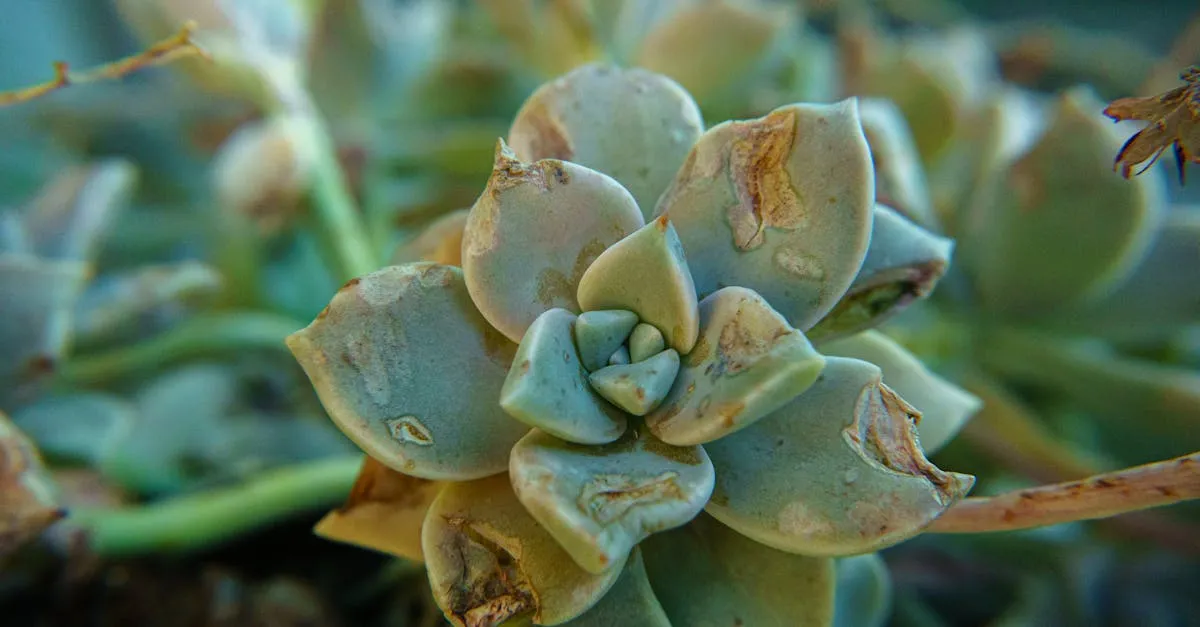
A succulent that has gone soft and mushy is almost always telling you the same thing: it has had too much water. If you have been asking why is your succulent getting soft, translucent, or squishy, the honest answer is that the plant is holding more moisture than it can use, and its cells are starting to break down. Catching this early decides whether you save the plant or compost it.
Quick answer
A soft, mushy, or translucent succulent has almost always had too much water: its cells are breaking down from holding more moisture than the plant can use. If only the bottom leaves are mushy, pull them off and let the soil dry out completely. If the stem is soft or blackening, cut upward with a clean, sharp blade until the cross-section is completely pale green or white, let the healthy cutting dry for three to seven days until the cut end forms a callus, then replant into dry, gritty mix. No spray or feed fixes a mushy succulent.
Why is your succulent getting soft in the first place
Succulents store water in their leaves and stems, so soft tissue means the storage system has failed. Press a healthy leaf and it feels firm, like a grape. A leaf that feels like a deflated water balloon, looks see-through, or turns yellow and translucent has cells that have burst from sitting in too much moisture.
The causes, from most to least common:
Overwatering. Watering before the soil has fully dried is the usual culprit. Roots sitting in damp soil cannot take up oxygen, they suffocate, and rot spreads upward into the stem. See how often you should water succulents for a reliable schedule.
Poor drainage. A pot with no drainage hole, or a dense, peat-heavy mix, keeps water against the roots even if you water correctly. Succulents need a gritty, fast-draining mix and a hole in the pot.
Cold or wet conditions. Cool temperatures slow water use to almost nothing, so winter watering at a summer pace causes rot fast. Succulent winter care covers the seasonal slowdown.
If your plant is stretched, pale, and leaning toward the light but still firm, that is a different problem. That is etiolation, not rot, and you can read about fixing a stretching succulent here.
How to tell if it can still be saved
Look at where the damage is and what color it is.
Soft lower leaves only. If the bottom leaves are mushy but the stem and top growth are firm and green, you have caught it early. Pull off the affected leaves and let the plant dry out.
Soft, mushy stem at the base. This is serious. Rot in the stem travels fast.
Black or brown blackening stem. Be honest with yourself here: once the stem has gone black and soft through the middle, the plant usually cannot be saved as it is. Your only real chance is to cut above the rot and propagate.
If the rot has reached the stem, stop trying to save the whole plant and start trying to save a piece of it.
How to cut away the damage and salvage healthy parts
Work fast, because rot keeps spreading while you decide.
- Take the plant out of its pot and shake off all the wet soil so you can see the stem and roots clearly.
- Cut into the stem with a clean, sharp blade. Slice upward until you reach a cross-section that is completely pale green or white, with no brown rings, streaks, or dark center. Brown means rot is still present, so keep cutting.
- Discard everything below the clean cut. Mushy roots and blackened stem will not recover.
- Let the healthy cutting dry. Set it somewhere bright and airy, out of direct sun, for three to seven days until the cut end forms a dry callus.
- Replant into dry, gritty mix and wait about a week before watering lightly.
Firm leaves you removed can also be laid on top of dry soil to root. The full method is in how to propagate succulents.
Preventing it from happening again
Rot is a watering and soil problem, so fix both.
Water less. Soak the soil thoroughly, then leave it completely dry until the leaves feel slightly soft from thirst. Underwatering is easy to reverse, rot is not.
Use the right pot and mix. A terracotta pot with a drainage hole, filled with a gritty cactus mix or a standard mix cut heavily with perlite or coarse sand, lets water escape fast. Choosing the right potting mix explains the ratios.
Never let the pot sit in water. Tip out any water that collects in the saucer within a few minutes of watering.
There is no fertilizer, spray, or feed that fixes a mushy succulent. Marketing aside, the only cure is removing the damage and changing how you water.
Make the firmness test your watering trigger
The mistake that creates a mushy succulent is watering on a schedule instead of watering the plant in front of you, so build the habit of pressing a leaf first and only watering once it gives slightly under your thumb. If you have just potted up a rescued cutting, keep it dry and bright for the first week and resist the urge to “help” it along, because a fresh callus rots far faster than it roots when it sits in damp soil.
Where to go next
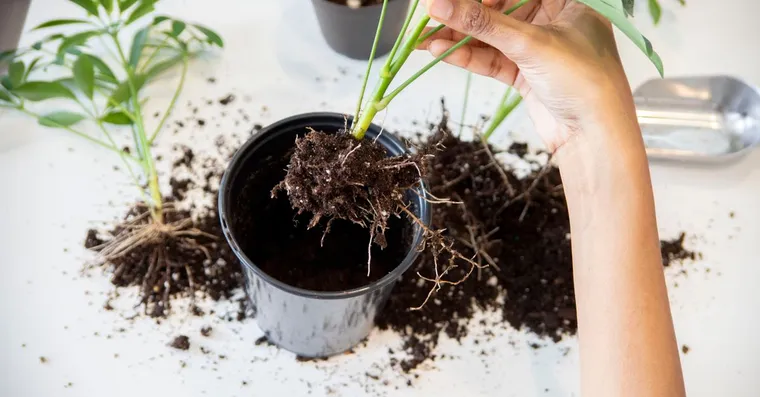
What Does Root Rot Look Like? Signs at Every Stage
Root rot is diagnosed at the roots, not the leaves. Here is what healthy and rotting roots look like, and which above-ground signs point to it.
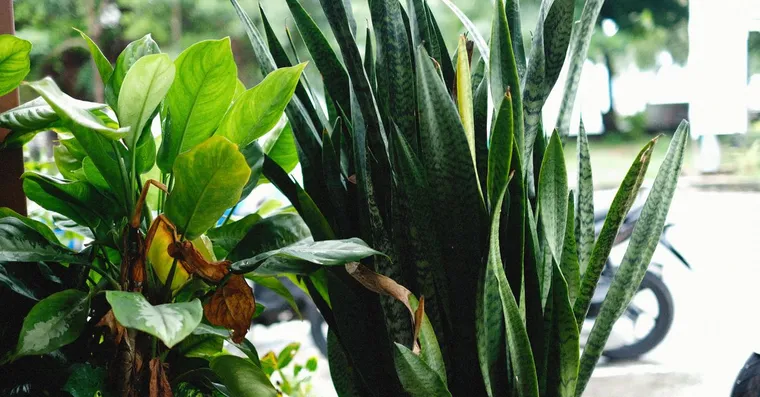
Why Is My Snake Plant Drooping or Falling Over?
Snake plant leaves that flop, splay, or fall over usually trace back to overwatering and root rot, with low light and stress adding to it.
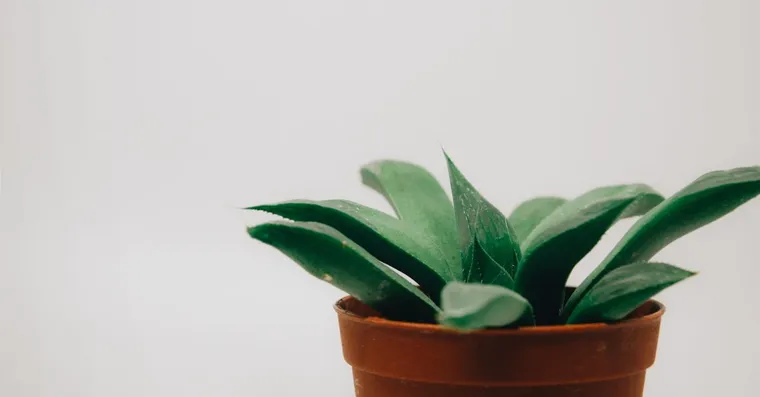
Overwatering vs Underwatering Houseplants: How to Tell
How to tell whether a drooping, yellowing, or crispy houseplant is overwatered or underwatered, the key differences to look for, and what to do next.
Not sure what plant you have? Identify it from a photo and we will point you at its care guide.
Frequently asked questions
Why is my succulent soft and mushy?
It has almost always had too much water. Succulents store water in their leaves and stems, and a leaf that feels like a deflated water balloon, looks see-through, or turns yellow and translucent has cells that have burst from holding more moisture than the plant can use.
Can a mushy succulent be saved?
It depends where the damage sits. If only the bottom leaves are mushy and the stem is firm, pull off the affected leaves and let the soil dry out completely. Once the stem has gone black and soft through the middle, the plant usually cannot be saved whole; the real chance is cutting above the rot and propagating the healthy top.
How do I cut the rot out of a succulent?
Take it out of the pot, then slice upward through the stem with a clean, sharp blade until the cross-section is completely pale green or white with no brown rings or streaks. Let the healthy cutting dry for three to seven days until the cut end forms a callus, then replant into dry, gritty mix and wait about a week before watering lightly.
How do I stop my succulent going mushy again?
Fix the watering and the soil. Soak thoroughly, then leave the soil completely dry until the leaves feel slightly soft from thirst, use a pot with a drainage hole and a gritty fast-draining mix, and never let the pot sit in water. No fertilizer or spray fixes a mushy succulent.