How to Grow Houseplants in Water, No Soil Needed
Which houseplants happily live in just water, how to keep them healthy long term, and the feeding and water changes that prevent rot.
Some links in this guide go to Amazon. As an Amazon Associate we earn from qualifying purchases, at no extra cost to you. How this works.
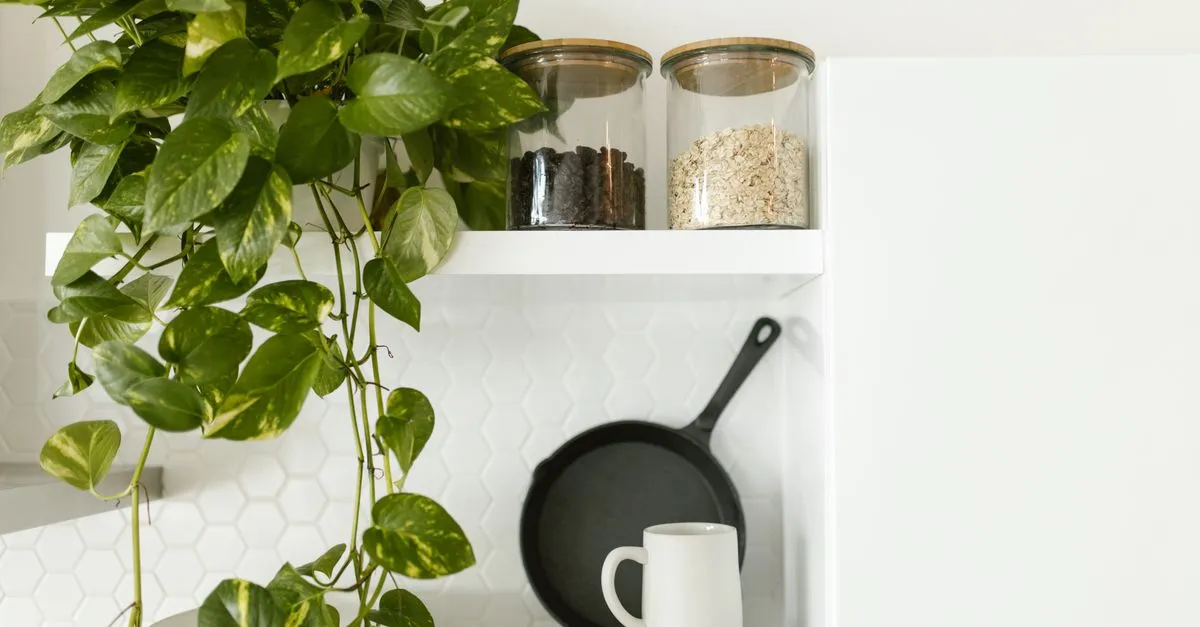
Plenty of houseplants will live for years in nothing but a jar of water, no soil involved. Growing houseplants in water is genuinely low effort: you swap the water, add a drop of feed now and then, and that is most of it. The honest trade-off is slower growth, which I will come back to.
The plants that take to water best
Pothos. The most reliable of the lot. A cutting with a few nodes roots in water within a couple of weeks and can stay there indefinitely. See growing pothos in water permanently for the long version.
Lucky bamboo. Sold to live in water, and it means it. It is actually a Dracaena sanderiana, not a bamboo, and it is happiest in an inch or two (3 to 5 cm) of water over pebbles. Full guide: lucky bamboo care.
Tradescantia. Inch plant roots fast and trails well from a glass. The purple and silver types hold their color in bright, indirect light.
Heartleaf philodendron. Behaves much like pothos: quick to root and content in water for the long term.
Spider plant. The plantlets, those babies on long runners, root in water readily and look tidy in a small jar.
Monstera cuttings. A node cutting will root and push out leaves in water, but this is the weakest fit on the list. A monstera wants to become a large plant, and water cannot support that. Treat the jar as a holding spot, not a permanent home.
Why growth is slower than in soil
This is the part the “no soil needed” marketing skips. Water holds far less oxygen and far fewer nutrients than soil, so a plant in water grows more slowly and stays smaller than the same plant potted up. That is not a fault, it is just the deal. A water-grown pothos makes a steady, good-looking trailing vine; it will not become the monster a potted one can. If you want size and speed, move it to soil.
Water keeps a plant alive and looking good, soil is what makes it grow.
The upkeep of houseplants grown in water
Change the water. Top it up as it evaporates and fully replace it every one to two weeks. Fresh water carries the oxygen the roots need, and stale water is where rot and smell begin. If it turns cloudy or off-smelling, change it straight away.
Feed, but lightly. Plain water has almost nothing in it. Add a single drop of liquid houseplant fertilizer at quarter strength every few weeks in spring and summer, and less in winter. Any more builds up and burns the roots.
Manage algae. Green slime on the glass is algae, fed by light hitting the water. It is harmless to the plant but looks grim. Use an opaque or colored container, keep the jar out of direct sun, and scrub it at each water change.
Mind the water itself. Cool tap water suits most of these, though lucky bamboo and other dracaenas dislike the fluoride and chlorine in some supplies, which shows as brown leaf tips. If yours is sensitive, leave tap water out overnight or use filtered. More on this in tap water for houseplants.
Keep roots covered, leaves dry. Submerge the roots and lower stem only. Leaves left sitting in water rot.
Containers and where to put them
Any clear glass, jar, bottle or vase works, as long as the neck is wide enough to lift the plant out for cleaning. Bright, indirect light suits all of these; direct sun warms the water and speeds up algae. Keep them clear of cold drafts and radiators, which swing the water temperature and stress the roots. For a more enclosed approach to soil-free growing, a closed terrarium uses its own moisture cycle rather than open water changes.
What decides whether a water jar lasts
The habit that keeps these plants going is the water change, so set a reminder every two weeks now, because a jar almost always fails from forgotten, stagnant water rather than anything the plant did. If a cutting stalls and you find yourself wanting it bigger, treat that as the cue to pot it into soil, not to add more feed, since extra fertilizer in a jar burns the roots long before it grows them. For ideas on where to place your jars and pots to best effect, how to display houseplants covers styling on shelves, stands, and corners.
Where to go next
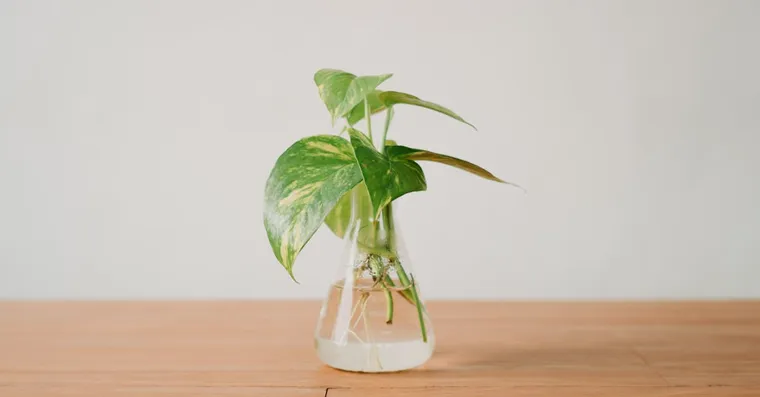
How to Grow Pothos in Water Permanently
Whether pothos can live in water permanently, how to set it up, and the trade-offs in growth and leaf size you should expect.
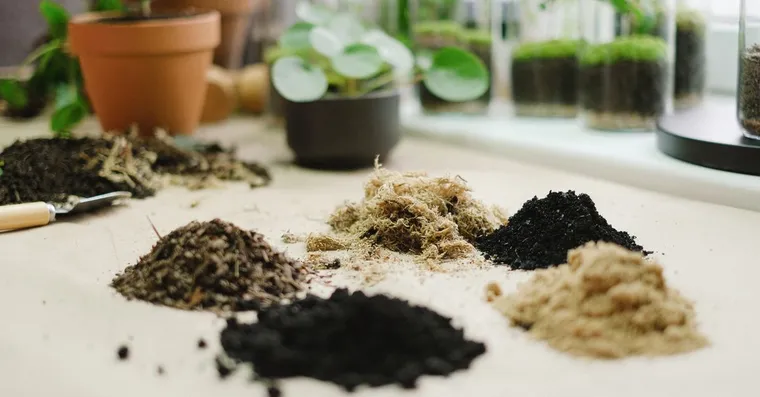
How to Build a Closed Terrarium That Lasts
A step by step guide to building a self sustaining closed terrarium, from drainage layers to choosing plants and avoiding the overwatering that kills most.
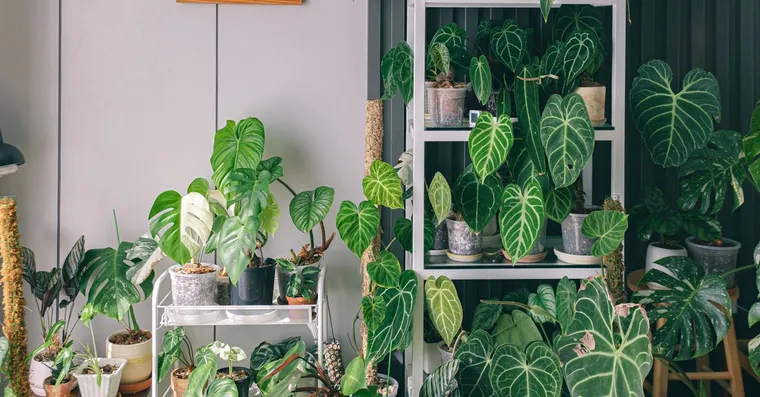
How to Display Houseplants: Shelves, Stands, and Corners
Practical ideas for displaying houseplants on shelves, stands, and in bare corners, grouping by height and pot so a collection looks intentional.
Not sure what plant you have? Identify it from a photo and we will point you at its care guide.