How to Grow Pothos in Water Permanently
Whether pothos can live in water permanently, how to set it up, and the trade-offs in growth and leaf size you should expect.
Some links in this guide go to Amazon. As an Amazon Associate we earn from qualifying purchases, at no extra cost to you. How this works.
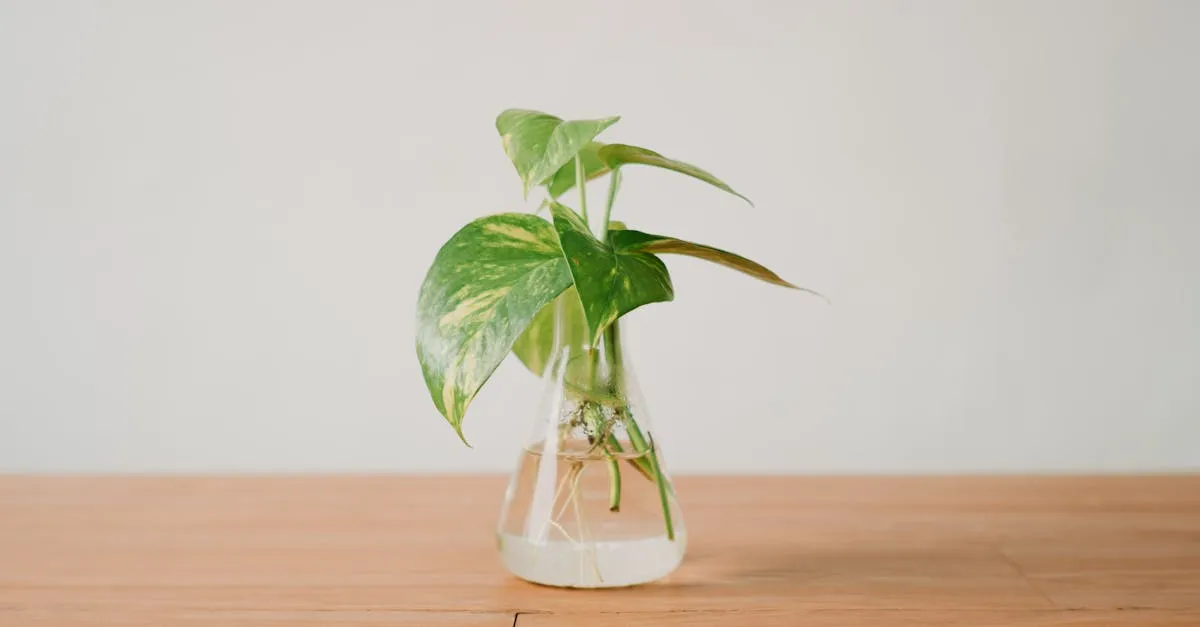
A pothos plant in water is not a temporary propagation stage. With a few simple habits, the same cutting can live in a jar or vase for years, no soil ever needed. The honest trade-off: a water-grown pothos grows more slowly and produces smaller leaves than the same plant in soil, because plain water holds far less nutrition than a good potting mix. If you accept that, water culture is a genuinely low-effort way to keep this plant.
Why a pothos lives in water indefinitely
Pothos is one of the few houseplants that adapts fully to water. It develops “water roots” that are thinner and whiter than soil roots, and it draws oxygen from the water itself. As long as the water stays fresh and lightly fed, there is no point at which the plant must move to soil. It will not suddenly decline at six months or a year.
What does change is vigor. Soil gives roots a steady, concentrated supply of nutrients; water never matches that. So expect modest growth and leaves that stay on the smaller side. This is a healthy plant living at a slower pace, not a failing one.
Choosing the vessel
Almost any container works, but a few features make maintenance easier.
- Glass over opaque. Clear glass lets you watch the roots and spot cloudy water early. Opaque vessels hide problems until they are advanced.
- A narrow neck. This holds the stem upright and keeps leaves above the waterline, where they belong. Leaves left submerged will rot.
- Enough volume. A larger body of water stays stable longer and needs changing less often. A small shot glass needs attention every few days.
Keep only the roots and the bare lower stem in the water. If the vessel is colored or amber-tinted, all the better for slowing algae.
Feeding and water changes
This is the part people skip, and it is why many water-grown pothos stall.
Liquid feed. Plain water cannot sustain the plant long term. Add a balanced liquid houseplant fertilizer at roughly a quarter to half the label strength, once a month in spring and summer, less or not at all in winter. Diluted is the rule: too much fertilizer burns the fine water roots and feeds algae. See how to fertilize houseplants for choosing a product.
Water changes. Replace the water every one to two weeks, or sooner if it turns cloudy or smells off. Topping up alone is not enough; old water accumulates salts and loses oxygen. Use room-temperature water, and if your tap water is heavily chlorinated, let it stand for a few hours first.
The single habit that keeps a water pothos thriving is fresh, lightly fed water on a regular schedule.
Light for a pothos plant in water
Light requirements are no different in water than in soil. A pothos does best in bright, indirect light: enough to read by comfortably, out of direct midday sun, which can overheat the water and scorch leaves. It tolerates lower light, but growth slows further and variegated types such as Marble Queen lose their pattern. If your spot is genuinely dim, a small grow light makes a clear difference.
Managing algae
Algae is the most common cosmetic complaint, and it is harmless to the plant. It is simply green growth fuelled by light hitting nutrient-rich water.
- Reduce light on the glass. Move the vessel so the container, not the plant, sits slightly shaded, or switch to tinted glass.
- Change water on schedule. Fewer nutrients sitting in the light means less algae.
- Scrub when you change the water. A bottle brush clears the film in seconds. There is no need for chemicals.
If algae keeps returning, you are usually over-feeding or leaving the vessel in strong light.
What to expect over time
Roots will fill the vessel; trim them back when they crowd the space. The plant will grow a long trailing vine that you can prune to keep tidy, and prunings root in water just as easily. If leaves yellow, the usual cause is stale water or overfeeding rather than disease; the wider diagnosis in why are my pothos leaves turning yellow still applies. Should you ever want faster, larger growth, you can pot the plant into soil at any time, though water roots take a few weeks to adjust. Pothos also does well in an aquarium setup; how to grow pothos in an aquarium or fish tank covers that approach in full. Pothos is far from the only plant that thrives without soil; houseplants you can grow in water lists the best options if you want to extend the method to other species.
Settling into a water-pothos routine
Set a recurring reminder for the water change rather than waiting until the jar looks murky, because the cuttings that fail are nearly always the ones left sitting in stale, over-fed water. Keep the feed weak and the schedule steady and the same stem will still be trailing happily years from now. As the days shorten into autumn, ease off the fertilizer and let the plant coast through winter on plain fresh water.
Where to go next
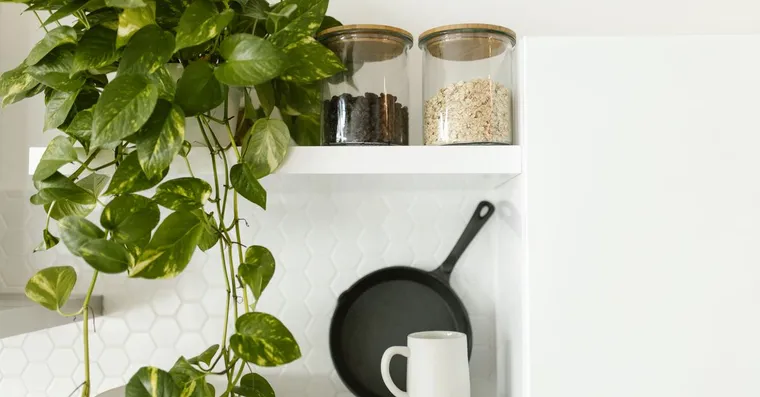
How to Grow Houseplants in Water, No Soil Needed
Which houseplants happily live in just water, how to keep them healthy long term, and the feeding and water changes that prevent rot.
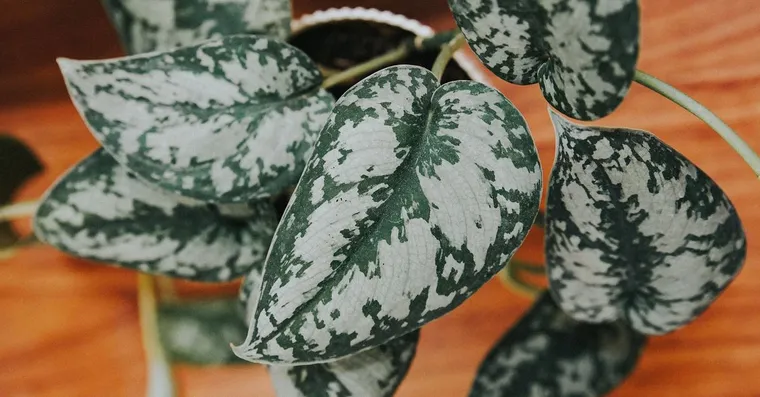
Pothos vs Heartleaf Philodendron: How to Tell Them Apart
The reliable ways to tell a pothos from a heartleaf philodendron: cataphylls, petioles, leaf texture and new growth, plus why shops so often mislabel them.
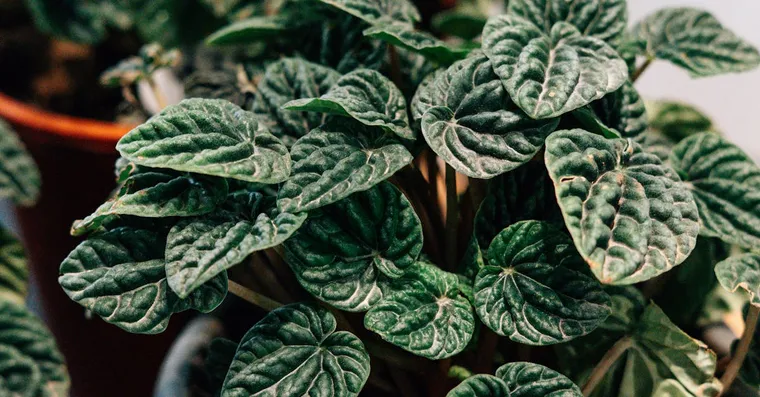
Peperomia Care: A Guide to the Easy Radiator Plants
A care guide for peperomia, the compact semi-succulent houseplants, covering light, the watering habits that prevent rot, and why they stay small.
Not sure what plant you have? Identify it from a photo and we will point you at its care guide.