Why Are My Pothos Leaves Turning Yellow?
The common reasons pothos leaves turn yellow, from overwatering to low light, and how to tell which cause is behind yours.
Some links in this guide go to Amazon. As an Amazon Associate we earn from qualifying purchases, at no extra cost to you. How this works.
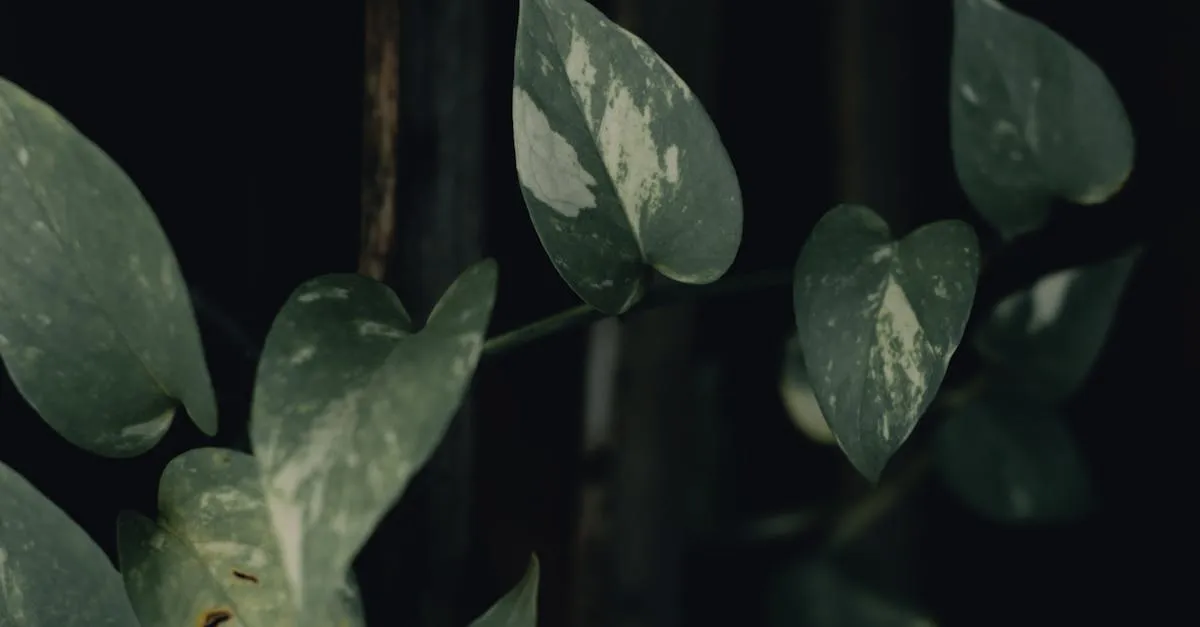
A pothos with yellow leaves is one of the most common worries new plant owners bring up, and the honest answer is reassuring: most of the time it is a watering problem, and a single old yellow leaf low on the vine is usually nothing at all. The challenge is telling normal leaf turnover apart from a plant in trouble. This guide walks through the causes of pothos plant yellow leaves in order of how often they actually happen, so you can match what you see to what to do.
Quick answer
Check the soil first. Several soft yellow leaves with wet soil almost always means overwatering, by far the most common cause, and the fix is to water less often, not in smaller amounts. A single old yellow leaf low on the vine is usually normal shedding and nothing to act on. Match the pattern you see to the cause below before you change anything.
Overwatering is almost always the cause
If your pothos has several yellow leaves and the soil feels wet, start here. Overwatering is by far the most common reason pothos leaves turn yellow, and it does not mean you watered too much in one go. It usually means the soil stays soggy for too long between waterings, so roots sit without oxygen and begin to fail.
The signs are fairly clear. Yellowing appears on more than one leaf, often spread through the plant rather than confined to the oldest growth. The yellow leaves feel soft or limp rather than dry and papery. The soil is still damp days after watering, and you may notice a sour smell or fungus gnats hovering near the surface.
The fix is to water less often, not in smaller amounts. Wait until the top 1 to 2 inches (3 to 5 cm) of soil are dry before watering again, then water thoroughly. If the pot has no drainage hole, that is the real problem: move the plant into one that does. For a plant that is already badly affected, check the roots, because soft brown mushy roots mean you are dealing with root rot and need to act quickly. Our guide on how to save an overwatered plant covers the recovery steps in detail.
When a pothos is unhappy, the answer is usually to water it less, not more.
One old leaf low on the vine is normal
Before you change anything, look at where the yellow leaf is. If it is a single leaf at the base of a vine, on the oldest growth, and the rest of the plant looks healthy, this is almost certainly normal aging. Pothos shed older leaves as they put energy into new growth. You can simply remove the yellow leaf and carry on.
This matters because reacting to normal turnover is how people end up overwatering. One yellow leaf is not a signal to do anything except trim it off.
Low light slows the plant and fades older leaves
Pothos tolerate low light, but tolerate is not the same as thrive. In a dim corner the plant grows slowly, cannot support all its leaves, and drops the oldest ones to conserve energy. You may also see smaller new leaves and longer, sparser gaps between them.
Move the plant somewhere brighter, ideally bright indirect light near a window. Avoid harsh direct sun, which scorches the leaves. If a bright spot is not available, a grow light is a practical fix. It is worth knowing how much light houseplants actually need, because most “low light” plants still do better with more.
Underwatering and nutrient gaps
These are less common, but worth checking once watering and light are ruled out.
Underwatering. If the soil is bone dry, the leaves feel crisp rather than soft, and the plant looks limp, you have waited too long. Water thoroughly and settle into a routine; our guide on how often to water a pothos explains the timing.
Nutrient shortage. A pothos that has sat in the same soil for a year or more can run low on nutrients, showing up as a general pale or yellowish tinge across older leaves. During spring and summer, feed with a balanced houseplant fertilizer at half strength every few weeks. See how to fertilize houseplants for amounts and timing. If the plant is also rootbound, with roots circling the pot or poking from the drainage hole, repotting into fresh mix solves both problems at once.
Cold and drafts. Sudden yellowing after a cold snap, or on a vine near a drafty window or door, can be a temperature stress response. Move the plant away from cold air.
How to tell the causes apart
Use the leaves and the soil together. Soggy soil with soft yellow leaves spread through the plant points to overwatering. Bone dry soil with crisp leaves points to underwatering. A single yellow leaf on old growth is aging. Pale, slow growth in a dim spot points to light. An even yellowish cast across many older leaves in old soil points to nutrients. When two signs conflict, trust the soil moisture first, because watering is the most likely culprit.
Diagnose before you reach for the watering can
The mistake that costs the most pothos is treating yellow leaves as a sign to water more, when soggy soil is usually what caused them in the first place. Get into the habit of feeling the top inch or two (3 to 5 cm) of soil before you do anything, since that one check settles most cases on its own. If you have just corrected an overwatering problem, expect the affected leaves to drop rather than turn green again, and judge your success by the firm new growth that follows.
Where to go next
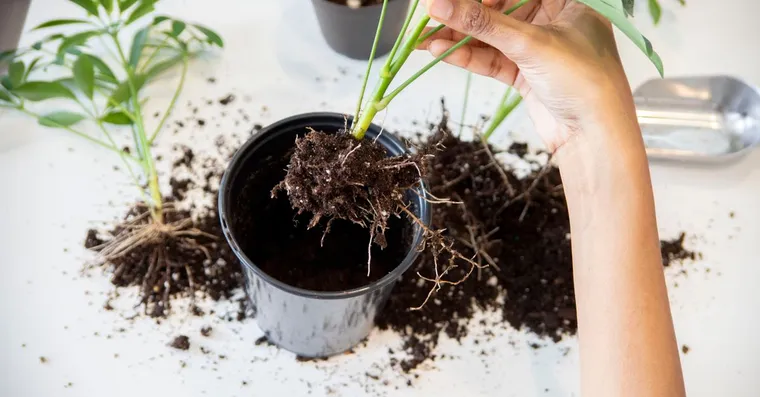
What Does Root Rot Look Like? Signs at Every Stage
Root rot is diagnosed at the roots, not the leaves. Here is what healthy and rotting roots look like, and which above-ground signs point to it.
Yellow Leaves on Houseplants: The Complete Diagnosis Guide
Yellow leaves are a symptom, not a diagnosis. Check the soil first: many leaves yellowing with wet soil almost always points to overwatering or root rot.
Why Is My Monstera Turning Yellow? Causes and Fixes
Yellow leaves on a monstera usually mean a watering problem, but light, feeding, and age all matter; here is how to tell them apart.
Not sure what plant you have? Identify it from a photo and we will point you at its care guide.