How to Fertilize Houseplants: When, What, and How Much
Most houseplants need far less feeding than people think. Use half the recommended dose, feed only in spring and summer, and skip it after repotting.
Some links in this guide go to Amazon. As an Amazon Associate we earn from qualifying purchases, at no extra cost to you. How this works.
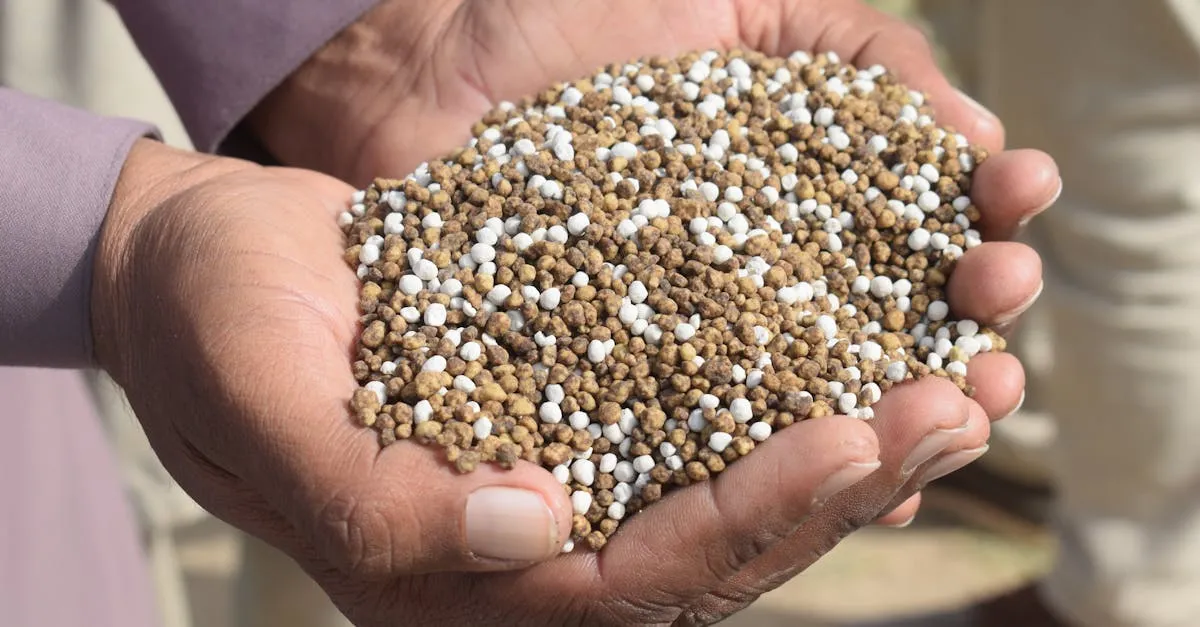
Most houseplants need far less fertilizer than people think. They are not heavy feeders the way a vegetable garden is, and the most common fertilizing mistake is doing too much, not too little. This guide covers what the numbers on the label mean, how much to dilute, when to feed, and how to recognize when you have overdone it.
What N-P-K actually means
Every fertilizer label carries three numbers, such as 10-10-10 or 24-8-16. These are the percentages, by weight, of three nutrients.
N is nitrogen. It drives leafy, green growth. Foliage plants, which is most of what you grow indoors, use a lot of it.
P is phosphorus. It supports roots and flowering. Indoor foliage plants need relatively little.
K is potassium. It supports general plant health, water regulation, and disease resistance.
For ordinary leafy houseplants, a balanced formula (equal numbers) or one slightly higher in nitrogen is fine. You do not need a different product for every plant. A single all-purpose liquid fertilizer will cover a pothos, a monstera, a philodendron, and almost everything else on your shelves.
Always dilute to half strength
Bottle instructions are written for plants growing hard outdoors in bright light. Indoor plants grow more slowly and use nutrients more slowly, so the full dose is usually too strong.
Mix to half the recommended strength, or even a quarter. If the label says one capful per gallon of water, use half a capful. A weaker solution applied more often is safer than a strong dose, because excess fertilizer has nowhere to go but the soil, where it builds up as salt.
With fertilizer, the cost of too little is slow growth; the cost of too much is a damaged plant.
Feed only during the growing season
Plants use nutrients when they are actively growing, and indoors that means spring and summer. In most homes, growth slows or stops from autumn through winter as light levels drop.
Feed every four to six weeks during spring and summer. Stop entirely in autumn and winter. A plant that is not growing cannot use the nutrients you give it, so the fertilizer simply accumulates in the soil. If you live somewhere with strong year-round light, or you use grow lights, your plant may keep growing, in which case you can keep feeding lightly. Let visible new growth, not the calendar alone, be your guide.
Skip fertilizer after repotting
Fresh potting mix already contains nutrients, usually enough for the first two to three months. Feeding a freshly repotted plant adds nutrients it cannot use yet and risks burning roots that are still settling in.
Wait at least six to eight weeks after repotting before you fertilize again. The same applies to a plant you have just bought: nurseries grow plants in rich conditions, so a new arrival rarely needs feeding straight away.
Signs you are overfeeding
Overfertilizing is easy to do and often mistaken for other problems. Watch for these signs, roughly in the order you are likely to notice them.
Brown, crispy leaf tips and edges. This is fertilizer salt drawing moisture out of the leaf. It is one of the most common symptoms, and the leading non-watering cause of brown leaf tips.
A white or yellowish crust on the soil surface or around the pot rim. That crust is mineral salt left behind as water evaporates.
Wilting despite moist soil. A heavy salt concentration makes it physically harder for roots to absorb water, so the plant droops even when the soil is damp.
Yellowing leaves and weak, leggy growth. When the cause is not underwatering or overwatering, a salt-stressed root system is a likely culprit. See the yellow leaves diagnosis guide to rule out the alternatives.
How to flush salt buildup
If you see crust or suspect salt damage, flush the pot. Take the plant to a sink, pour water slowly through the soil, and let it drain fully. Repeat two or three times so the equivalent of several pot volumes of water passes through. This dissolves accumulated salts and carries them out the drainage holes.
Scrape off any visible crust first. Then hold off on fertilizer for a couple of months, and resume at a weaker dilution than before. If the soil is badly degraded, repotting into fresh mix is the cleaner fix.
When in doubt, feed less
The one mistake worth guarding against is the eager spring feed on a plant that is barely awake, so wait for fresh leaves to appear before you reach for the bottle and keep the dilution weak. Set yourself a reminder to stop feeding once the clocks go back in autumn, and glance at the soil surface for that telltale white crust every few weeks through spring and summer. A plant fed lightly and flushed now and then will always outlast one fed generously.
Where to go next
Asparagus Fern Care: Not a Fern, and It Has Thorns
Asparagus fern is not a fern, it is toxic to cats and dogs, and mature stems carry spines. Here is how to grow it and what to know first.
Caladium Care: Bright Leaves, Winter Dormancy, and Toxic Sap
Caladiums die back every winter and that is normal, not failure. Here is how to grow the tubers indoors and why they need care around pets.
Majesty Palm Care: Light, Water, and Why It Browns
Majesty palms are sold as easy indoor palms and are not. They want more light, more water, and more humidity than a living room usually offers.
Not sure what plant you have? Identify it from a photo and we will point you at its care guide.