Pothos vs Heartleaf Philodendron: How to Tell Them Apart
The reliable ways to tell a pothos from a heartleaf philodendron: cataphylls, petioles, leaf texture and new growth, plus why shops so often mislabel them.
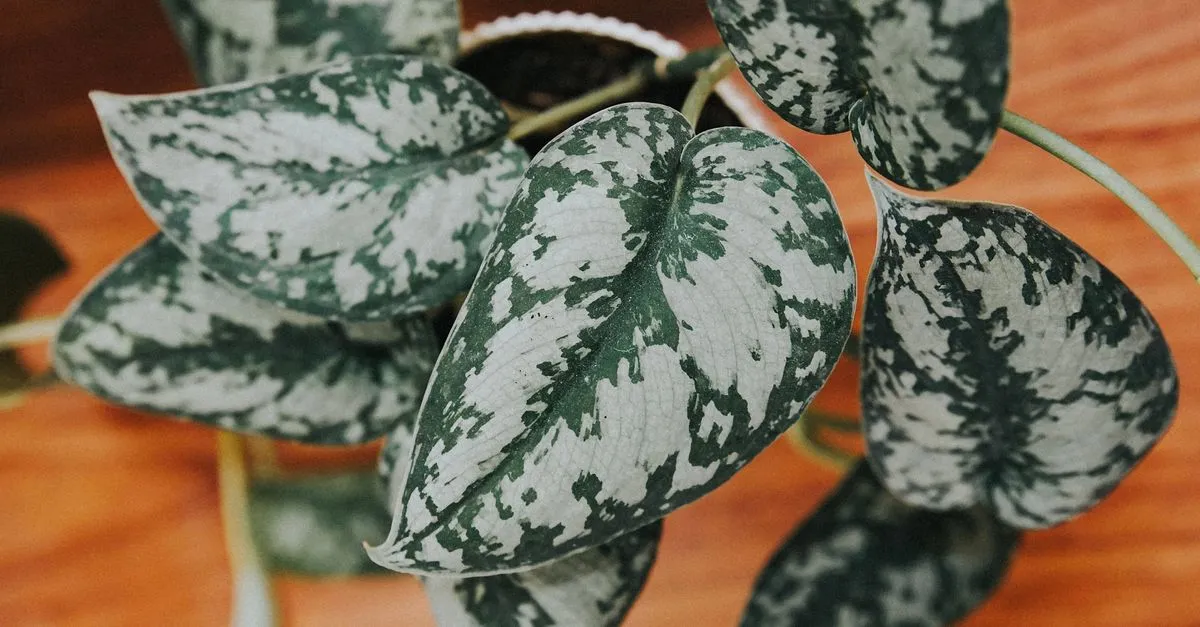
If you have ever stared at a trailing green plant and could not decide whether it is a pothos or a philodendron, you are in good company: this is the single most confused pair in the houseplant world. The honest answer to the pothos vs philodendron question is that a handful of physical features settle it reliably, once you know where to look. Here they are, ranked from the most dependable clue to the least.
Quick answer
A few physical features settle it reliably. A heartleaf philodendron grows each new leaf from a cataphyll, a thin papery sheath that dries brown on the stem; pothos has no cataphylls, and its new leaves unfurl straight from the stem. A pothos petiole has a groove running along its length, while a philodendron petiole is round and smooth. Pothos leaves are thicker and slightly waxy; philodendron leaves are thinner and softer, often emerging with a bronze tint. Care is nearly identical, and both are toxic to cats and dogs if chewed.
Check the new growth first: cataphylls
The most reliable difference is how each plant produces a new leaf. A heartleaf philodendron pushes out new leaves from a cataphyll, a thin papery sheath that protects the emerging leaf, then dries to a wispy brown and eventually drops off. You will often see these little dried sheaths along a philodendron stem. Pothos has no cataphylls at all. Its new leaf simply unfurls from the previous leaf, extending straight out of the stem with no protective wrapper. If you can see cataphylls, it is a philodendron. If new leaves emerge naked from the stem, it is a pothos.
The petiole is the quickest pothos vs philodendron test
The petiole is the small stalk that joins each leaf to the main stem, and it is the fastest check of all. Run a fingernail down it. A pothos petiole has a groove, a shallow channel or indentation running along its length. A philodendron petiole is round and smooth in cross section, with no groove. This one takes two seconds and rarely lies.
Leaf texture and sheen
Pothos leaves are thicker and slightly waxy, often with a faint puckered texture and a matte to satin finish. Many pothos also carry irregular gold, white or cream variegation. Heartleaf philodendron leaves are thinner, softer and smoother, with a gentle sheen, and new leaves frequently emerge with a bronze or reddish tint before hardening off to deep green. Texture is dependable in person but harder to judge from a photo, so treat it as supporting evidence rather than proof.
The shape of the heart
Both plants have heart-shaped leaves, which is exactly why they get muddled, but the hearts are not identical. A heartleaf philodendron leaf is a symmetrical, evenly proportioned heart that comes to a clean point, with a deep, defined notch where the stalk meets the leaf. A pothos leaf is often slightly asymmetric, a touch broader and less even, with a shallower notch at the base. Hold a leaf flat and the difference is easier to see than to describe.
Aerial roots at the nodes
Look at the nodes, the points along the stem where leaves and roots appear. Pothos tends to grow one thick, stubby aerial root per node. Heartleaf philodendron usually produces several thinner, more numerous aerial roots at each node. This is a softer clue than the ones above, since aerial roots vary with age and conditions, so use it to confirm rather than decide.
Why the mislabel rarely harms the plant
Here is the reassuring part. Pothos and heartleaf philodendron want almost identical care: bright indirect light, a chunky well-draining mix, and water once the top inch or two (3 to 5 cm) dry out. A wrong label on the pot will not hurt the plant, because you would treat both the same way regardless. Our pothos care guide and heartleaf philodendron care guide are nearly interchangeable for a reason.
The identity matters less for keeping the plant alive and more for knowing what you actually own.
It does matter in two places. Propagation expectations differ slightly in timing and root behavior, so knowing the species helps you predict how a cutting will behave. And both plants are toxic to cats and dogs when chewed, thanks to insoluble calcium oxalate crystals, so if you are checking a label to gauge pet safety, the answer is the same for both: keep them out of reach. Our pet-safe houseplant guide covers genuinely non-toxic alternatives.
Settling it when you are still unsure
| Feature | Pothos | Heartleaf philodendron |
|---|---|---|
| New growth | Unfurls straight from the stem, no wrapper | Emerges from a papery cataphyll that dries brown |
| Petiole | Grooved along its length | Round and smooth |
| Leaf texture | Thicker, slightly waxy, matte to satin | Thinner, softer, with a gentle sheen |
| Heart shape | Often slightly asymmetric, shallower notch | Symmetrical, clean point, deep notch |
| Aerial roots | Usually one thick, stubby root per node (a softer clue) | Usually several thinner roots per node (a softer clue) |
Work down the list in order: cataphylls first, then the petiole groove, then texture, shape and aerial roots. Two or three features pointing the same way is a confident answer. When you would rather not squint at a petiole, the free photo identifier settles it in seconds from a single clear picture. Once you know which one you have, you can label the pot properly and stop second-guessing every new leaf.
Where to go next
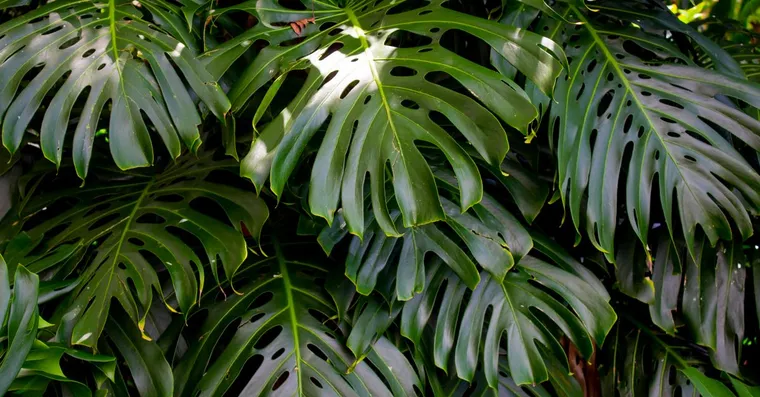
Monstera vs Split-Leaf Philodendron: Not the Same Plant
Monstera deliciosa and the split-leaf philodendron are two different plants that shops routinely mislabel. Here is how to tell which one you actually own.
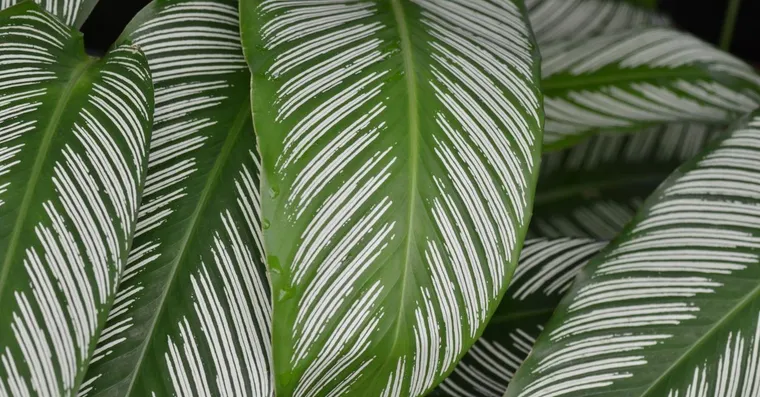
Calathea, Maranta, Ctenanthe or Stromanthe? Telling Prayer Plants Apart
All four prayer plant genera get sold under the same label. How to tell calathea, maranta, ctenanthe and stromanthe apart, and why their care differs slightly.
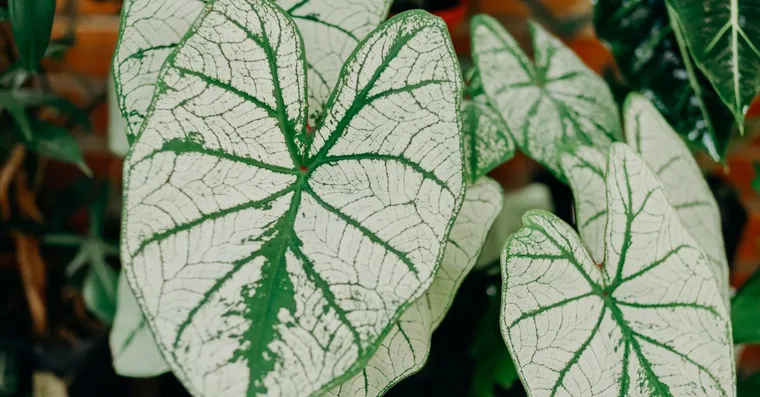
How to Identify a Houseplant: A Practical Guide and the Best Apps
How to identify an unknown houseplant by leaf shape, growth habit, and other clues, plus which plant identification apps are actually worth using.
Not sure what plant you have? Identify it from a photo and we will point you at its care guide.
Sources
- ASPCA Animal Poison Control lists Golden Pothos (Epipremnum aureum) as Toxic to Dogs and Toxic to Cats, with insoluble calcium oxalates as the toxic principle.
- ASPCA Animal Poison Control lists Heartleaf Philodendron (Philodendron hederaceum) as Toxic to Dogs, Cats and Horses, with insoluble calcium oxalates as the toxic principle.