Monstera vs Split-Leaf Philodendron: Not the Same Plant
Monstera deliciosa and the split-leaf philodendron are two different plants that shops routinely mislabel. Here is how to tell which one you actually own.
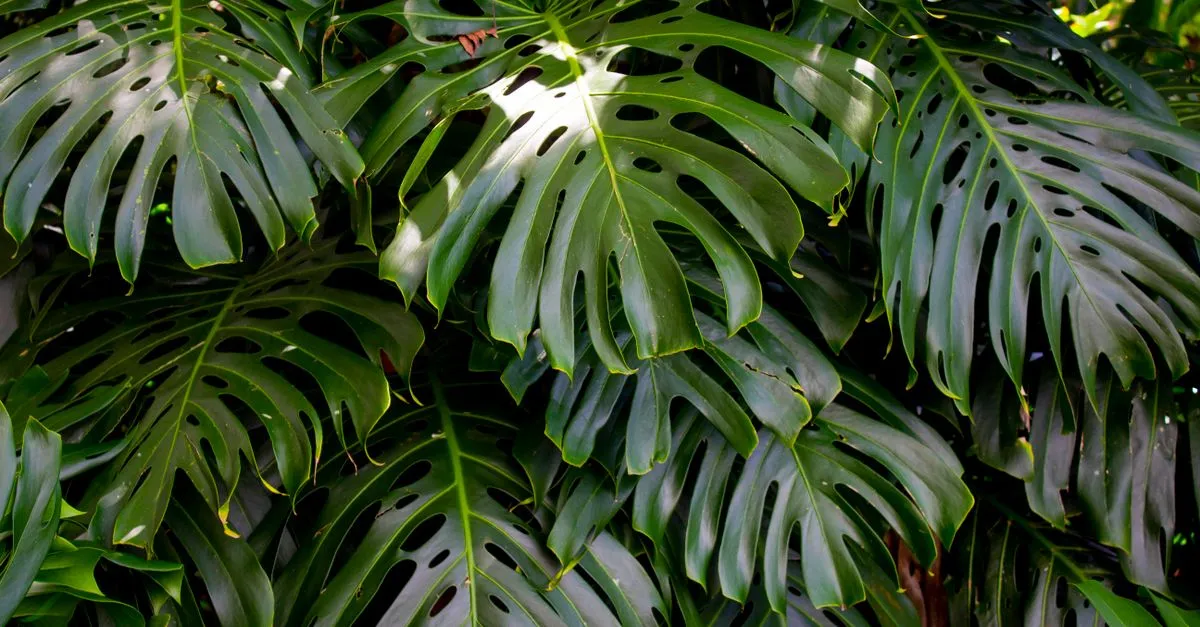
If you are comparing a monstera vs a split-leaf philodendron, start with this: they are not the same plant, and the label at the shop is often wrong. The plant sold as split-leaf philodendron is almost always Thaumatophyllum bipinnatifidum (formerly Philodendron bipinnatifidum, and before that Philodendron selloum), while a true monstera is Monstera deliciosa. To confuse things further, “Swiss cheese plant” is the correct nickname for Monstera deliciosa, not for the split-leaf, so the two names get swapped constantly.
Monstera vs split leaf philodendron: what the names actually mean
The confusion is old and partly the fault of the botanists. The split-leaf philodendron was reclassified out of the genus Philodendron in 2018 and moved to Thaumatophyllum, so its common name no longer matches its scientific one. Monstera is a separate genus entirely. When someone asks about monstera vs split leaf philodendron, they are usually comparing Monstera deliciosa against Thaumatophyllum bipinnatifidum: two plants that look alike as young nursery specimens and grow into very different things.
The signs that tell them apart
Rank these from most to least reliable.
Leaf holes versus cut lobes. This is the giveaway. A mature monstera leaf has holes, called fenestrations, that sit inside the leaf with leaf tissue all the way around them. A split-leaf philodendron has no true holes: its leaf is deeply cut into finger-like lobes that open all the way to the edge, like a hand with the fingers spread.
If the gap has leaf on every side of it, it is a monstera; if the gap opens to the edge, it is not.
Growth habit. A monstera is a climber. It sends out thick aerial roots and wants to scramble up a moss pole or tree, and its stem stays relatively narrow. A split-leaf philodendron is self-heading: it grows from a single thickening trunk, throws its leaves out on long stalks, and spreads wide rather than up. Given years, that trunk becomes woody and visible.
Leaf edge and texture. Monstera leaves are broad, glossy, and fairly stiff, with smooth uncut edges between the holes. Split-leaf leaves are more matte, thinner, and cut into many narrow segments with wavy edges, giving a feathery outline.
Why the difference matters
Mature size and space. This is the practical reason to care. A split-leaf philodendron can reach 6 feet (2 m) across indoors and needs floor space in every direction. A monstera climbs, so it takes up vertical space and stays narrower if you give it a support. Buying the wrong one for a small room is a common regret.
Support needs. A monstera flops and produces small, unfenestrated leaves without something to climb, so plan for a moss pole from the start. A split-leaf supports itself and needs no pole.
Fruit. Monstera deliciosa can, in the right conditions, produce an edible fruit, which is where “deliciosa” comes from. The split-leaf philodendron does not fruit as a houseplant. You will rarely see fruit on either one indoors, but only one of them is even capable of it.
Both are toxic to cats and dogs
Do not treat the identification as a safety shortcut. Both plants contain insoluble calcium oxalate crystals, which cause mouth pain, drooling, and vomiting if a pet or child chews the leaves. Neither is a safe choice for a home with curious animals. If you want genuinely non-toxic greenery, choose from a list of pet-safe houseplants rather than gambling on which aroid you happen to own.
Settle it before you buy or repot
Check the leaf first: holes surrounded by tissue mean monstera, gaps cut to the edge mean split-leaf philodendron. If it is still a young plant with plain leaves, the growth habit and future size are what matter, so read up on Monstera deliciosa care before you commit shelf or floor space. When a plant tag and a leaf still disagree, upload a photo to the free houseplant photo identifier and let the picture end the argument.
Where to go next
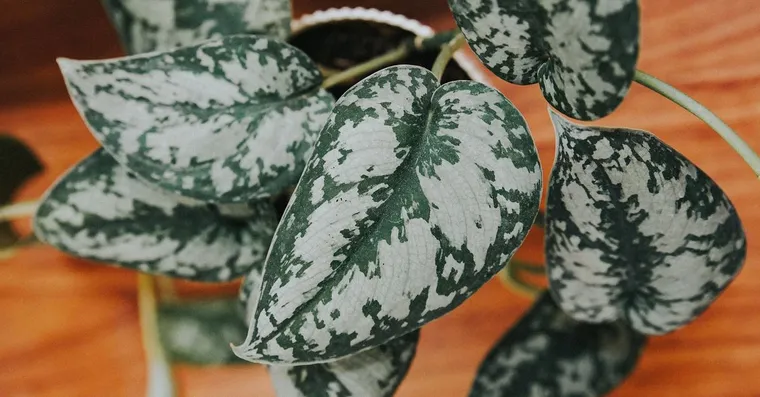
Pothos vs Heartleaf Philodendron: How to Tell Them Apart
The reliable ways to tell a pothos from a heartleaf philodendron: cataphylls, petioles, leaf texture and new growth, plus why shops so often mislabel them.
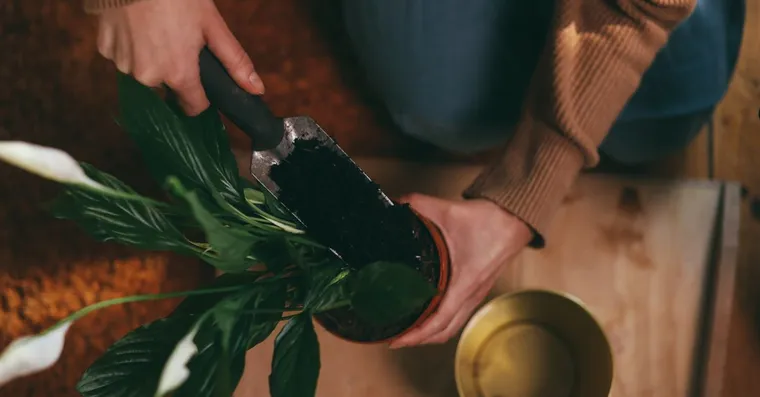
The Best Soil Mix for a Monstera (and a Simple Recipe)
Monstera roots want a chunky, fast draining aroid mix rather than plain potting soil; here is a simple recipe and what each ingredient does.
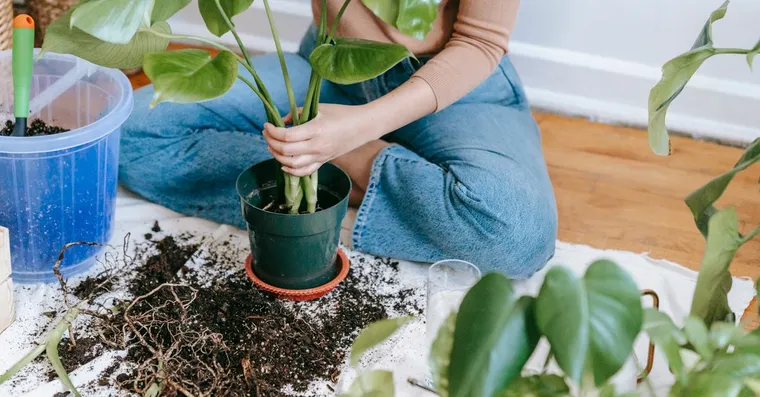
Monstera Aerial Roots: What They Do and What to Do With Them
Those thick roots growing from your monstera stem are normal aerial roots for climbing; here is whether to cut, bury, or train them.
Not sure what plant you have? Identify it from a photo and we will point you at its care guide.
Sources
- ASPCA Animal Poison Control lists Cutleaf Philodendron (Monstera deliciosa) as Toxic to Dogs and Toxic to Cats, with insoluble calcium oxalates as the toxic principle.
- ASPCA Animal Poison Control lists Tree Philodendron (Philodendron selloum, the plant commonly sold as split-leaf philodendron) as Toxic to Dogs and Toxic to Cats, with calcium oxalate crystals as the toxic principle.