How to Display Houseplants: Shelves, Stands, and Corners
Practical ideas for displaying houseplants on shelves, stands, and in bare corners, grouping by height and pot so a collection looks intentional.
Some links in this guide go to Amazon. As an Amazon Associate we earn from qualifying purchases, at no extra cost to you. How this works.
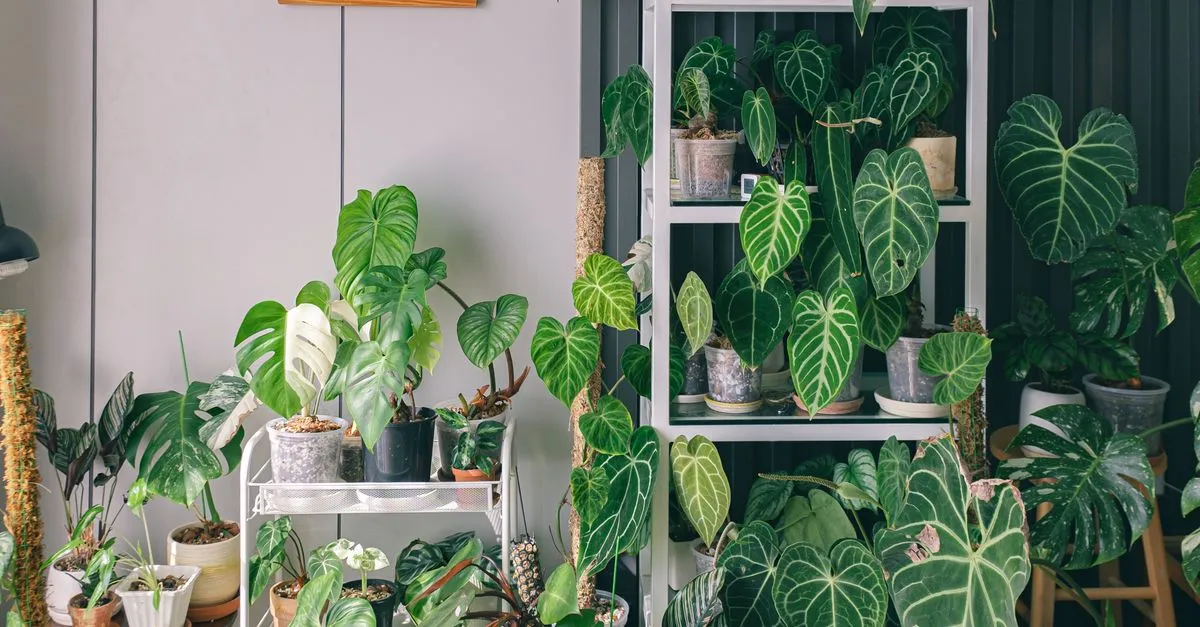
A good display starts with a simple rule: put each plant where it gets the light it actually needs, then arrange for looks within that constraint. Most houseplant display ideas you see online lead with the styling and treat light as an afterthought, which is how a fiddle leaf fig ends up dying photogenically in a dark corner. Get the light right first, and the styling has room to work.
Start with the light a spot actually gets
Before you move a single pot, watch how light falls in the room across a day. A spot 6 feet (2 m) back from a window gets a fraction of the light it looks like it gets, and a south-facing sill can scorch a fern by noon.
Match the plant to the spot, not the spot to the plant. Bright, direct sill: succulents, cacti, a string of pearls. Bright but indirect: most aroids, calatheas, ferns. Genuinely dim corner: snake plant, ZZ, cast iron plant, pothos. If you are unsure how much a given spot offers, this guide on reading indoor light saves a lot of guesswork.
Rotate, do not relocate. A plant that leans toward the window wants a quarter turn each week, not a move to a darker shelf because it looks unbalanced. Style around its habit instead of fighting it.
Style decides where a plant looks good; light decides where it stays alive.
Group in odd numbers and vary the height
Plants read better in clusters than scattered one per surface. Odd numbers, threes and fives, look more natural than pairs, which the eye reads as symmetrical and static.
Build a stepped height line. Put a tall plant at the back or one side, a medium one beside it, and let something trailing spill over the front edge. Three heights in one group give it depth; three plants of identical height give it a hedge.
Repeat a shape to tie a group together. One spiky form, one broad-leaved form, one trailing form is a reliable trio. If every plant has a different leaf shape and a different pot, the group looks busy rather than full.
Mix pot finishes without making it noisy
Matching every pot looks like a showroom; mixing every pot looks like clutter. The middle ground reads best.
Hold one element constant. Either keep the color family consistent and vary the material, or keep one material and vary the size. Terracotta in three sizes works. Three clashing glazes in three textures does not.
Let finish follow function, too. Terracotta breathes and dries faster, which suits succulents and anything prone to root rot; glazed and plastic hold moisture longer, which suits thirsty ferns. Pot material is a watering decision as much as a styling one, so the look and the care can agree.
Houseplant display ideas for shelves, stands, and corners
Vertical space is where a collection stops looking like scattered pots and starts looking arranged.
Shelves. Trailing plants earn their place here, spilling down from a height where you can actually see the growth. Keep the heaviest visual weight low and lighter, finer foliage higher. Remember that a high shelf near the ceiling is often warmer and drier, so reserve it for tougher plants rather than a moisture-loving fern.
Plant stands. A stand lifts a single specimen to eye level and frames it. Use one to give a statement plant room to breathe rather than crowding it into a group, and to fill the awkward dead zone between floor and windowsill.
Corners. A bare corner takes a tall floor plant well, but corners are usually the darkest part of a room. Match that honestly: a parlour palm, a ZZ, or a cast iron plant holds the spot without slowly declining the way a light-hungry plant would. For a more contained display that works on any surface, a closed terrarium creates its own self-contained growing environment and suits spots that are awkward for potted plants.
Floor and table. Anchor the floor with one large plant rather than several medium ones competing. On tables and sills, keep groups low enough that they do not block the very light they depend on.
Treat the arrangement as something that moves
The single mistake worth avoiding is locking a layout in place and forgetting it: a trailing plant outgrows its shelf, a corner that was bright in June goes dim by November, and the group that looked balanced slowly stops working. Walk past your displays every few weeks with the light in mind, not the look, and move anything that has started to stretch, lean, or fade. A collection that gets nudged with the seasons stays both healthy and worth looking at, which is the whole point.
Where to go next
How to Grow Houseplants in Water, No Soil Needed
Which houseplants happily live in just water, how to keep them healthy long term, and the feeding and water changes that prevent rot.
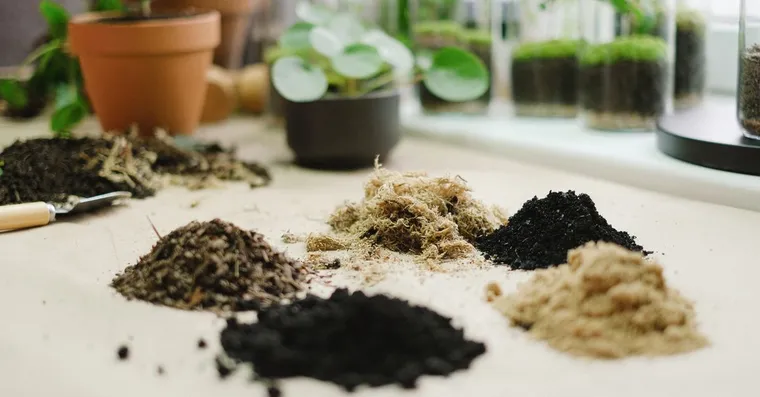
How to Build a Closed Terrarium That Lasts
A step by step guide to building a self sustaining closed terrarium, from drainage layers to choosing plants and avoiding the overwatering that kills most.
Peace Lily Varieties: Sensation, Domino, and Other Types to Know
A tour of the common peace lily varieties, from compact desktop types to the giant Sensation, with how their size and leaves differ.
Not sure what plant you have? Identify it from a photo and we will point you at its care guide.