Peace Lily Varieties: Sensation, Domino, and Other Types to Know
A tour of the common peace lily varieties, from compact desktop types to the giant Sensation, with how their size and leaves differ.
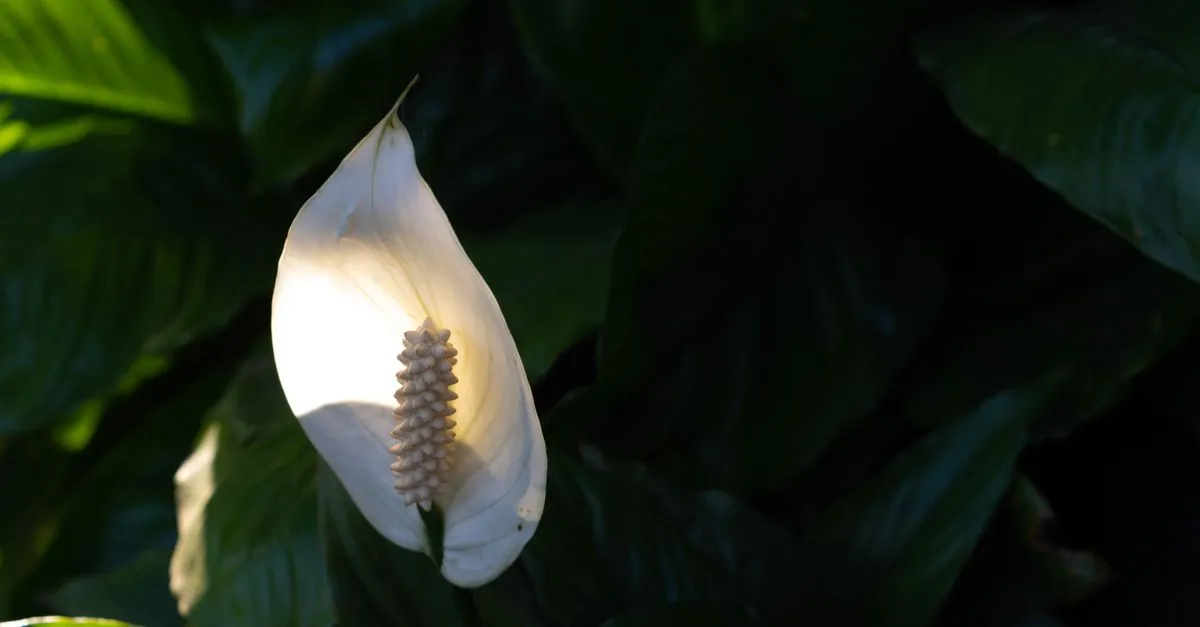
If you are shopping for a peace lily, the choice between named types matters less than the label suggests. The common peace lily varieties differ mostly in size and leaf, not in how you look after them, so the honest advice is to buy the one that fits the space you have rather than chasing a particular cultivar.
Quick answer
Common peace lily varieties differ mostly in size and leaf, not in how you care for them, so choose by the space you have. The plain supermarket peace lily is usually a medium Mauna Loa-type hybrid around 16 to 24 inches (40 to 60 cm). Sensation is the giant, reaching well over 3 feet (1 m) tall and wide. Domino and Picasso are variegated types that want brighter light and grow a little slower, and compact types like Petite top out around 12 inches (30 cm). The care routine is identical for all of them.
The peace lily varieties you will actually see
Almost every peace lily sold is a Spathiphyllum hybrid, and most shops do not name the cultivar at all. These are the ones worth recognizing, roughly from the most common to the least.
Standard hybrids (Mauna Loa type). The plain green peace lily on supermarket shelves is usually a medium hybrid in the Mauna Loa mold. It grows to around 16 to 24 inches (40 to 60 cm), throws up the familiar white spathes, and is what most people picture when they hear “peace lily”.
Sensation. The giant of the group. A mature Sensation reaches well over 3 feet (1 m) tall and wide, with broad, deeply ribbed leaves. It makes a genuine floor plant, so do not buy one for a windowsill.
Domino. A medium plant grown for its leaves rather than its flowers. The green is streaked and splashed with white, no two leaves alike. The variegation is the selling point, and it is stable, so it does not usually revert.
Picasso. Like Domino but more extreme, with whole sections or entire leaves colored white. It is slower and a little more delicate, and it carries a higher price for the drama.
Compact types (Petite, Chopin, Power Petite). Small, tidy plants that top out around 12 inches (30 cm). Good for a desk, a shelf, or a bathroom where a Sensation would never fit.
Why the care barely changes
This is the part the variety labels gloss over. A peace lily is a peace lily: bright indirect light, soil kept lightly moist, no cold drafts, and a dramatic flop when it gets thirsty that recovers within hours of watering. A Sensation drinks more than a Petite simply because it is bigger and holds more leaf, but the routine is identical. None of them want direct midday sun, and all of them brown at the tips in dry air or hard tap water. The full method is in our peace lily care guide, and it applies to every type on this list.
Choose a peace lily by the size of the gap on your shelf, not by the name on the tag.
The one thing variegation changes
Variegated types like Domino and Picasso are the only real exception, and even then it is minor. The white parts of the leaf carry no chlorophyll, so the plant has less green tissue to feed itself. In practice that means two small things: give them a brighter spot than you would a plain green one to keep the variegation crisp, and expect slightly slower growth. They are not difficult, just a touch less vigorous.
How to choose one
Work backwards from your space and light, in that order.
Match the size to the spot. A Sensation needs floor room and will look absurd squeezed onto a windowsill, while a compact type looks lost in a large empty corner. Picture the plant at full size, not at the size it is in the shop.
Then think about light. Any peace lily copes with moderate light, but a variegated type wants the brighter end of that range. If your only spot is dim, a plain green hybrid is the safer buy.
Buy the healthy plant over the rare one. A vigorous standard hybrid will always outperform a struggling Picasso. Check the crown for new growth and that the roots are not circling the pot before you pay. A new plant of any type benefits from a settling-in period, so go gently for the first few weeks while it acclimatizes to your home.
Where most peace lily buyers slip up
The usual mistake is buying for the name on the tag rather than the spot you have, which is how a Sensation ends up outgrowing a windowsill within a season or two. Measure the gap you want the plant to fill, picture it at full size, then settle light and finally health at the shop, in that order. Get those three right and the cultivar barely matters; get the size wrong and no amount of good care will make the plant fit the room.
Where to go next
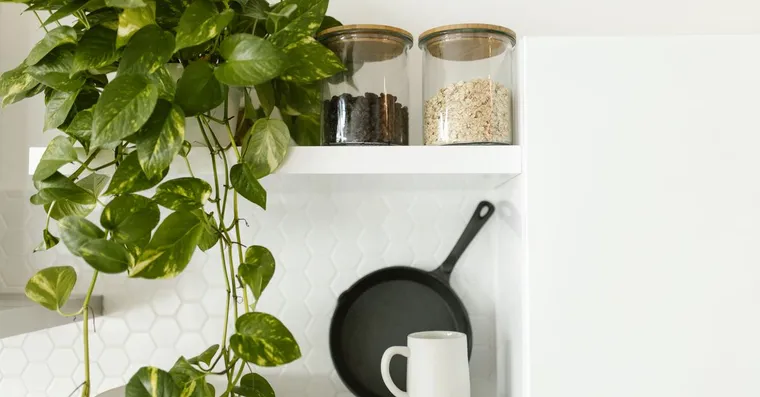
How to Grow Houseplants in Water, No Soil Needed
Which houseplants happily live in just water, how to keep them healthy long term, and the feeding and water changes that prevent rot.
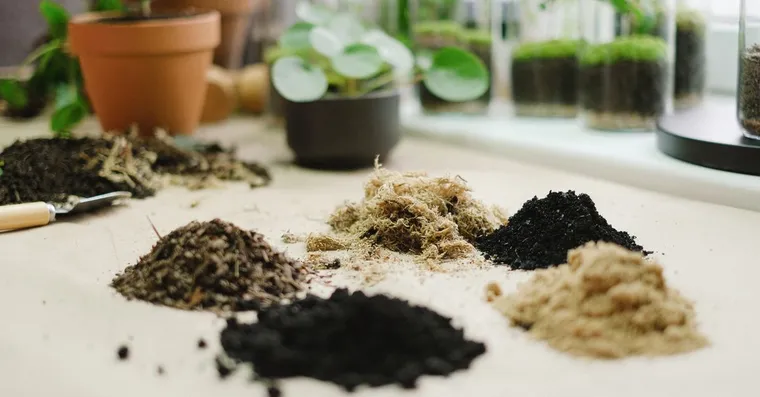
How to Build a Closed Terrarium That Lasts
A step by step guide to building a self sustaining closed terrarium, from drainage layers to choosing plants and avoiding the overwatering that kills most.
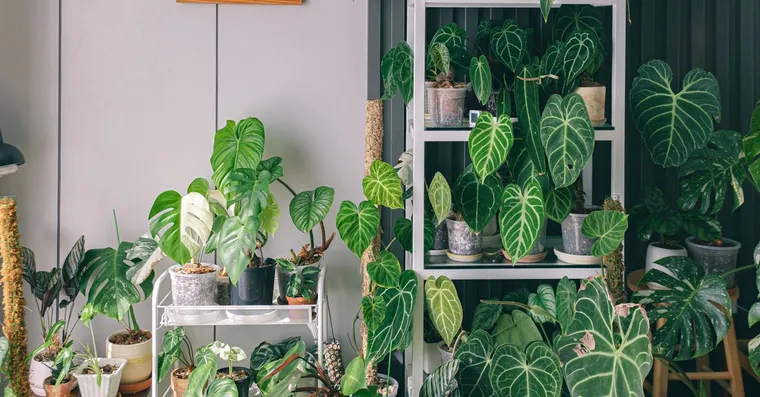
How to Display Houseplants: Shelves, Stands, and Corners
Practical ideas for displaying houseplants on shelves, stands, and in bare corners, grouping by height and pot so a collection looks intentional.
Not sure what plant you have? Identify it from a photo and we will point you at its care guide.
Frequently asked questions
What are the different peace lily varieties?
Almost every peace lily sold is a Spathiphyllum hybrid, and most shops do not name the cultivar at all. The plain supermarket plant is usually a medium Mauna Loa type at 16 to 24 inches (40 to 60 cm). Sensation is the giant, well over 3 feet (1 m) tall and wide. Domino and Picasso are the variegated ones, Picasso the more extreme and more delicate. Petite, Chopin and Power Petite are the compact types, topping out around 12 inches (30 cm).
Do different peace lily varieties need different care?
Barely. A peace lily is a peace lily: bright indirect light, soil kept lightly moist, no cold drafts, and a dramatic flop when it gets thirsty that recovers within hours of watering. A Sensation drinks more than a Petite simply because it is bigger and holds more leaf, but the routine is identical. None of them want direct midday sun, and all of them brown at the tips in dry air or hard tap water.
Do variegated peace lilies need more light?
Yes, slightly, and it is the only real difference between the types. The white parts of a Domino or Picasso leaf carry no chlorophyll, so the plant has less green tissue to feed itself. Give them a brighter spot than you would a plain green one to keep the variegation crisp, and expect slightly slower growth. They are not difficult, just a touch less vigorous. If your only spot is dim, a plain green hybrid is the safer buy.
How do I choose which peace lily to buy?
Work backwards from your space and light, in that order. Match the size to the spot first, picturing the plant at full size rather than the size it is in the shop, because a Sensation needs floor room and a compact type looks lost in a large empty corner. Then think about light, since a variegated type wants the brighter end of the range. Finally, buy the healthy plant over the rare one: a vigorous standard hybrid always outperforms a struggling Picasso.