How to Build a Closed Terrarium That Lasts
A step by step guide to building a self sustaining closed terrarium, from drainage layers to choosing plants and avoiding the overwatering that kills most.
Some links in this guide go to Amazon. As an Amazon Associate we earn from qualifying purchases, at no extra cost to you. How this works.
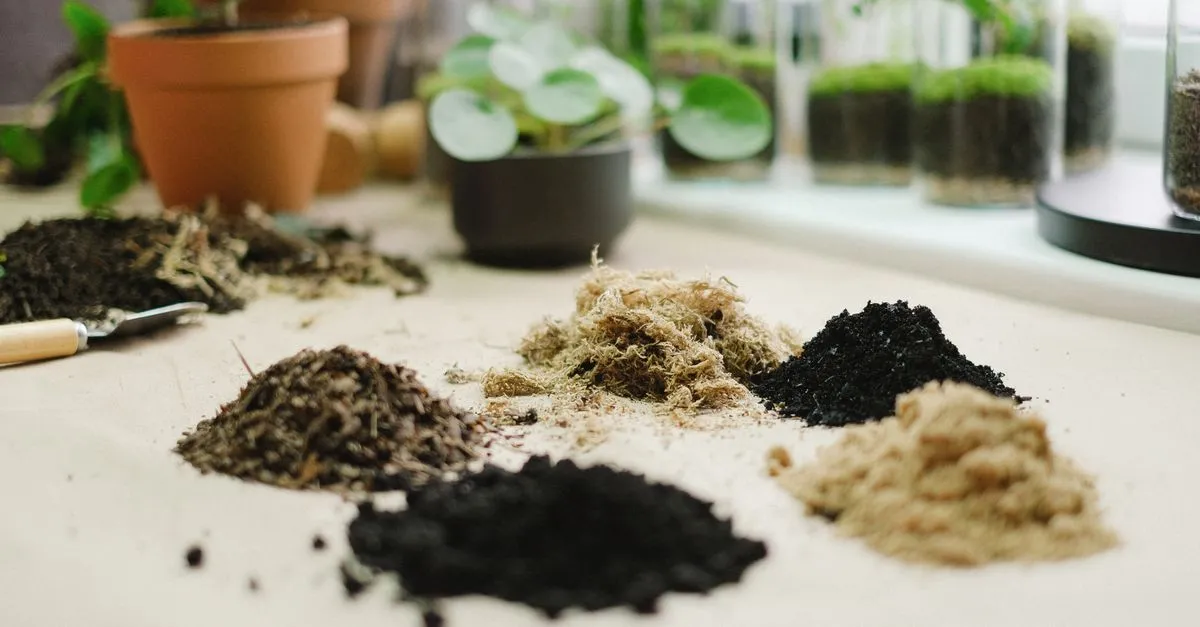
Closed terrariums look like the easiest plants you will ever own, and in one sense they are: a sealed jar of ferns can run for years with almost no input. The catch is that the skill is not in building it, it is in leaving it alone. Learning how to build a closed terrarium that actually lasts is mostly about getting the layers and the moisture right on day one, then resisting the urge to fuss.
How a sealed terrarium actually works
A closed terrarium is a small water cycle in glass. Moisture evaporates from the soil and leaves, condenses on the lid and walls, then runs back down. Once that loop settles, the plants water themselves and you barely touch it. That is also why it is so easy to ruin: there is no drainage hole, so any water you add stays in until the plants and air use it up. Get the balance wrong at the start and the whole thing tips towards rot rather than away from it.
Pick a sealed vessel and the right plants
The container. You want clear glass with a lid or stopper that closes properly. A large jar, a demijohn, or a purpose-made terrarium all work. Bigger is more forgiving, because a larger air volume swings less in temperature and humidity.
The plants. Choose slow, humidity loving species that stay small. Rank them roughly by how reliable they are in a jar:
- Fittonia (nerve plant). The classic choice. It loves wet air, stays compact, and visibly wilts as a warning before any harm is done. See Fittonia care for its quirks.
- Small ferns. Button fern, lemon button, and most maidenhair-type ferns thrive in the trapped humidity that would crisp them on a windowsill. Indoor fern care covers the species that suit enclosed setups.
- Moss. Cushion or sheet moss carpets the surface and acts as a living moisture gauge.
- Baby’s tears, peperomia, and small selaginella. Good fillers once the anchor plants are in.
Avoid succulents, cacti, and anything sold as drought tolerant. They want the opposite of a sealed jar and will collapse in the damp.
Build the layers in order
Work from the bottom up, keeping each layer thin so the whole profile stays shallow enough for roots without drowning them.
- Drainage layer. 3/4 to 1 inch (2 to 3 cm) of fine gravel or leca at the base. With no drainage hole, this is where excess water sits below the roots instead of around them.
- Filter layer. A thin sheet of mesh or a scatter of horticultural charcoal over the gravel. The charcoal is not a miracle filter, but it keeps the substrate from washing down into the gravel and helps with any sour smell.
- Substrate. 1 1/2 to 2 1/2 inches (4 to 6 cm) of a peat-free, well-draining mix. A houseplant compost loosened with orchid bark or perlite works well. Moisten it so it is barely damp, not wet.
- Plants and dressing. Make a hole, settle each plant, firm it in, then top with moss or fine bark. Wipe the inside glass clean before sealing.
Seal it, then water far less than you think
Here is the part that decides everything. Mist or pour in only a small amount of water, enough to dampen the surface, then close the lid and watch.
The whole craft of a closed terrarium is learning to do almost nothing.
For the first week or two you are calibrating. A light, even fog on the glass each morning that clears by afternoon means the balance is right. Heavy condensation that never clears, or droplets running like rain, means there is too much water: take the lid off for a few hours, or a day, until it settles. Dry glass with wilting plants means it needs a touch more. Once it self-regulates, a sealed terrarium often goes months without any water at all.
The single biggest killer is a generous watering on top of an already moist jar. There is nowhere for it to go, the roots sit in standing water, and you get root rot that spreads through the closed space before you notice. When in doubt, add nothing.
Reading the glass from here on
Make a five second glance at the morning fog your only routine: a light film that clears by afternoon means leave the lid shut, while droplets that never clear mean crack it open for a day. A sealed terrarium also makes a strong centerpiece; how to display houseplants has ideas for working it into a shelf or corner arrangement alongside your other plants. The first real test comes when the seasons turn, as a warmer summer room drives heavier condensation and you may need to vent more often than you did in winter. Trust the plants to signal before you reach for the watering can, and accept that most months the correct action is simply to walk past it.
Where to go next
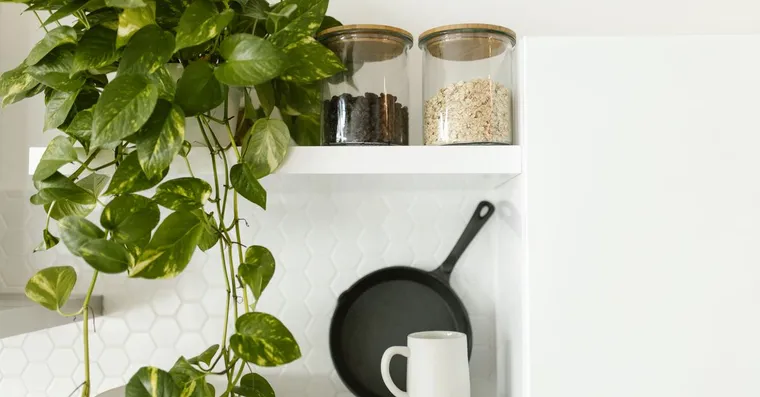
How to Grow Houseplants in Water, No Soil Needed
Which houseplants happily live in just water, how to keep them healthy long term, and the feeding and water changes that prevent rot.
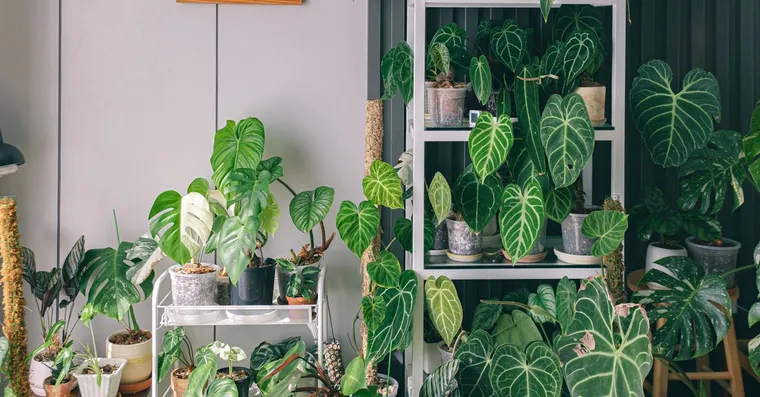
How to Display Houseplants: Shelves, Stands, and Corners
Practical ideas for displaying houseplants on shelves, stands, and in bare corners, grouping by height and pot so a collection looks intentional.
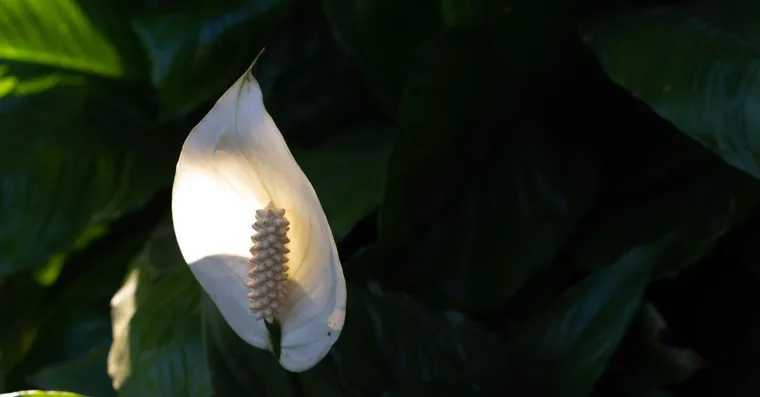
Peace Lily Varieties: Sensation, Domino, and Other Types to Know
A tour of the common peace lily varieties, from compact desktop types to the giant Sensation, with how their size and leaves differ.
Not sure what plant you have? Identify it from a photo and we will point you at its care guide.
Frequently asked questions
How often should you water a closed terrarium?
Almost never, once it has settled. A sealed terrarium recycles its own moisture, so after the first week or two of calibrating it often goes months with no water at all. There is no drainage hole, so any water you add stays in until the plants and air use it up. The single biggest killer is a generous watering on top of an already moist jar, which leaves the roots in standing water and starts rot that spreads through the closed space before you notice. When in doubt, add nothing.
How much condensation should a closed terrarium have?
A light, even fog on the glass each morning that clears by afternoon means the balance is right. Heavy condensation that never clears, or droplets running down like rain, means there is too much water: take the lid off for a few hours, or a day, until it settles. Dry glass with wilting plants means it needs a touch more. A five second glance at the morning fog is the whole routine.
Which plants work in a closed terrarium, and which do not?
Fittonia is the most reliable choice, because it stays compact, loves wet air, and visibly wilts as a warning before any harm is done. Small ferns such as button, lemon button and maidenhair types thrive in the trapped humidity that would crisp them on a windowsill, and cushion or sheet moss carpets the surface while acting as a living moisture gauge. Baby's tears, peperomia and small selaginella are good fillers. Avoid succulents, cacti and anything sold as drought tolerant, because they want the opposite of a sealed jar.
How thick should each layer of a closed terrarium be?
Keep every layer thin so the profile stays shallow enough for roots without drowning them. Start with 3/4 to 1 inch (2 to 3 cm) of fine gravel or leca at the base, then a thin sheet of mesh or a scatter of horticultural charcoal to stop the substrate washing down into it. On top goes 1 1/2 to 2 1/2 inches (4 to 6 cm) of a peat free, well draining mix, moistened until it is barely damp rather than wet. Plant into that, dress with moss or fine bark, and wipe the inside of the glass before sealing.