Indoor Fern Care: How to Keep Ferns Alive Inside
How to keep indoor ferns green and lush: the humidity, watering, light, and soil they need, plus why fronds turn brown and crispy and how to fix it.
Some links in this guide go to Amazon. As an Amazon Associate we earn from qualifying purchases, at no extra cost to you. How this works.
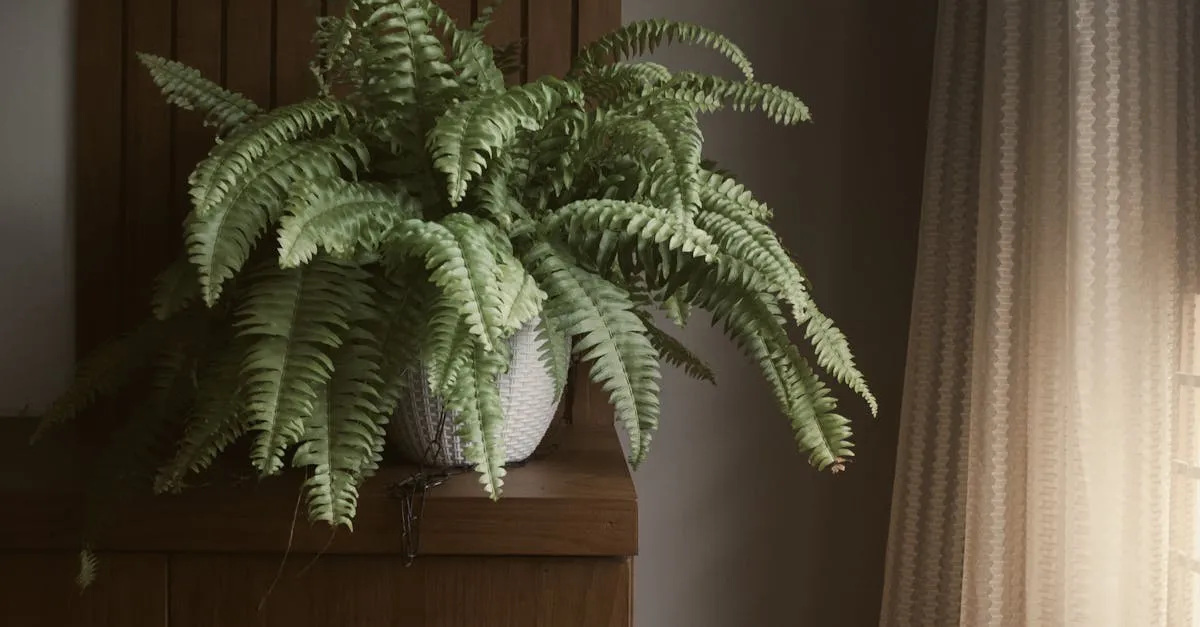
Ferns have a reputation for being difficult, and it is half deserved. The plant itself is not fussy: indoor fern care comes down to steady moisture, decent light, and humidity. The catch is that last part, because a centrally heated home is dry in a way most ferns find genuinely hostile. That single problem is the honest challenge behind nearly every struggling fern, and behind almost every case of brown, crispy fronds.
Why humidity is the make-or-break factor
Most ferns sold as houseplants come from forest floors and shaded, damp places. They are built for air that holds a lot of moisture, and they lose water through their thin fronds faster than tougher plants do. In a home running radiators or air conditioning, relative humidity often drops to 30 percent or lower. That is the single most common reason a fern browns, crisps at the edges, and slowly fails.
You cannot fix this with watering alone. Aim to lift humidity around the plant to roughly 50 percent or higher. The methods that actually work, in order of usefulness:
- A humidifier. The only reliable fix for a dry room. Run it near the plant during heating season.
- Grouping plants together. Several plants release moisture and raise the humidity of their shared pocket of air.
- A pebble tray. A shallow tray of water and pebbles under the pot adds a little local humidity. Modest, but free.
- Room choice. A bathroom or kitchen is naturally more humid and often the easiest home for a fern.
Misting is the popular advice, and it is the weakest option. It raises humidity for minutes, not hours, and does little for the plant. For the fuller picture, see the houseplant humidity guide.
Watering: keep the soil evenly moist
Ferns dislike drying out and dislike sitting in water. The target is soil that stays lightly moist at all times, never soggy and never bone dry. Check the top half inch (1 cm) or two with your finger: if it is starting to dry, water thoroughly until it runs from the drainage holes, then empty the saucer.
A fern that dries out completely will often drop or crisp fronds and may not recover those leaves. One that sits in waterlogged soil is at risk of root rot. Consistency matters more than volume, so check every few days rather than watering on a fixed calendar.
Light and soil for indoor ferns
Light. Most ferns want bright, indirect light. Direct midday sun scorches their fronds, but deep shade leaves them weak and sparse. An east-facing window, or a spot 3 feet (1 m) back from a brighter one, suits the majority. Some, like the bird’s nest fern, cope with lower light better than others.
Soil. Ferns need a mix that holds moisture yet still drains. A peat-free houseplant compost with added perlite works well, and a little bark or coir helps retain water without turning to mud. Avoid dense, heavy soil that stays sodden. See choosing a potting mix if you are mixing your own.
Feeding. Ferns are light feeders. A balanced liquid fertilizer at half strength, once a month through spring and summer, is plenty. Stop in autumn and winter.
Why fern fronds turn brown and crispy
Browning is the complaint that brings most people to a fern guide, and a fern with brown, crispy frond edges is almost always telling you the air around it is too dry. If the tips feel papery rather than soft, the problem is usually the room, not your watering routine. There are three causes, in order of how often they are to blame.
Dry air, the usual culprit. In winter most heated homes sit around 30 to 40 percent humidity, and lower still near a radiator. In that air, fronds lose moisture faster than the roots can replace it, and the thinnest tissue at the tips and edges dies first. You can tell dry air is the cause by the pattern: browning starts at the tips and outer edges of the older, lower fronds and works inward, new growth may emerge small or brown, and the soil is often still damp when it happens, which rules out thirst. The fix is to change the air, not to water more. Move the fern to a bathroom or kitchen, group it with other plants, run a humidifier, and keep it away from radiators and heating vents.
Underwatering or erratic watering. The next most common cause is simply not enough water, or water delivered unevenly. Ferns have shallow, fine roots and no water storage to fall back on, so if the pot dries out fully even once, the fronds crisp quickly and that damage does not reverse. If the mix has shrunk away from the pot sides, water is running straight down the gap and missing the roots: sit the pot in a basin of water for fifteen minutes so the rootball can soak through. If the soil dries far too fast, the plant may be rootbound and due for repotting.
Too much direct sun. The least common cause, but a real one, is light that is too strong. A fern in direct afternoon sun develops scorched, brittle patches, usually on the upper fronds facing the window, and the damage looks bleached or yellowed before it turns brown. Set the plant back from a bright south or west window, or shade it with a sheer curtain.
If your fern is browning, the problem is almost always dry air, dry soil, or both.
Reviving a browning fern
Brown, crispy frond sections will not turn green again, so trim them off. Cut whole fronds at the base, or follow the natural frond shape if only the tip is affected. Removing them improves how the plant looks and lets it put energy into healthy growth. Then fix the underlying cause and wait. New fronds that emerge soft and green are your sign the conditions are now right; if browning continues on fresh growth, the air is still too dry.
Which fern you have still matters
These principles carry most indoor ferns, but the species varies. The Boston fern is thirsty and the most humidity-hungry of the common types. The bird’s nest fern is the most forgiving and tolerates lower light. For species-specific detail, see Boston fern care and bird’s nest fern care. The maidenhair fern sits at the opposite end of the scale, the most demanding of the common indoor ferns and the quickest to brown in dry or inconsistent conditions.
Get ahead of the next heating season
The fern you keep alive through winter is the one whose dry air you planned for before the radiators came on, not after the fronds started crisping. Set up a humidifier or move the plant to a steamy bathroom as the weather turns cold, and check the soil every few days rather than weekly, because indoor ferns fail slowly and quietly long before they show it. Get the air right and the rest of the care is genuinely easy.
Where to go next
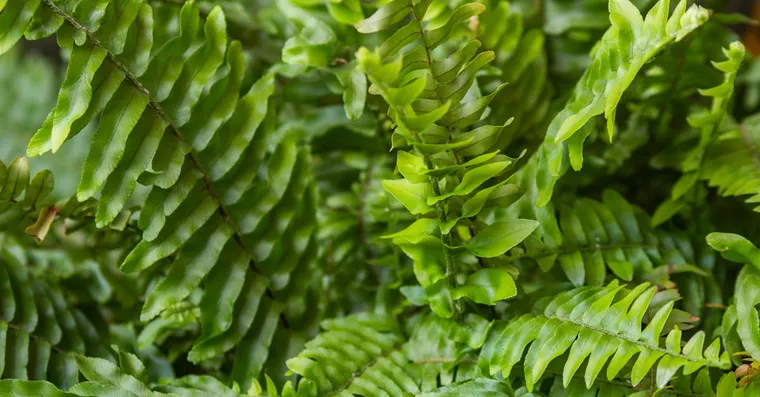
Boston Fern Care: Keeping This Classic Fern Lush Indoors
Everything you need to keep a Boston fern lush indoors, covering humidity, watering, light, and why the fronds keep dropping crispy leaflets.
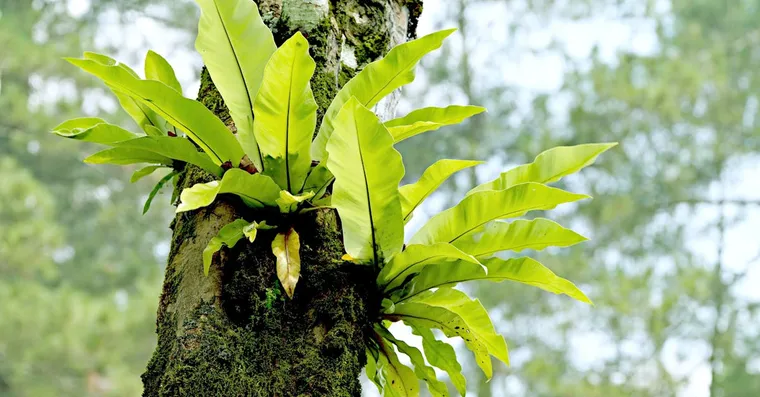
Bird's Nest Fern Care: A Forgiving Fern for Lower Light
How to care for a bird's nest fern indoors, a forgiving fern that tolerates lower light and needs less fuss than most ferns.
Fungus Gnat Larvae: What They Look Like and How to Kill Them
Fungus gnat larvae live in the top few centimetres of soil and eat roots. Here is how to confirm you have them and the treatments that actually clear them.
Not sure what plant you have? Identify it from a photo and we will point you at its care guide.
Frequently asked questions
What humidity do indoor ferns need?
Aim to lift the humidity around the plant to roughly 50 percent or higher. Most ferns sold as houseplants come from forest floors and shaded, damp places, and they lose water through their thin fronds faster than tougher plants do, while a home running radiators or air conditioning often drops to 30 percent or lower. A humidifier run near the plant through heating season is the only reliable fix for a dry room. Grouping plants together, a pebble tray, and moving the fern to a bathroom or kitchen all help, in that order of usefulness.
Does misting a fern actually help?
Barely. Misting is the popular advice and it is the weakest option, because it raises humidity for minutes rather than hours and does little for the plant. Watering alone will not fix dry air either. If the room is dry, change the air: run a humidifier near the plant, group it with other plants, or move it somewhere naturally humid such as a bathroom or kitchen, and keep it away from radiators and heating vents.
Is my fern browning from dry air or from not enough water?
Read the pattern. Dry air, the usual culprit, browns the tips and outer edges of the older, lower fronds first and works inward, new growth may emerge small or brown, and the soil is often still damp when it happens, which rules out thirst. Underwatering crisps fronds quickly once the pot has dried out fully even a single time, and if the mix has shrunk away from the pot sides the water is running down the gap and missing the roots, so sit the pot in a basin of water for fifteen minutes. Scorch from direct sun is the least common, and shows as bleached, brittle patches on the upper fronds facing the window.
Which indoor fern is easiest to keep alive?
The bird's nest fern is the most forgiving of the common types and tolerates lower light better than the rest. The Boston fern is thirsty and the most humidity-hungry, so it punishes a dry room fastest. The maidenhair sits at the opposite end of the scale, the most demanding of the common indoor ferns and the quickest to brown in dry or inconsistent conditions. The same principles carry all of them: steady moisture, bright indirect light, and air that is not desert dry.