Maidenhair Fern Care: Keeping the Delicate Fronds Alive
How to care for a maidenhair fern, the delicate Adiantum that crisps the moment it dries out, with the humidity and constant moisture it demands.
Some links in this guide go to Amazon. As an Amazon Associate we earn from qualifying purchases, at no extra cost to you. How this works.
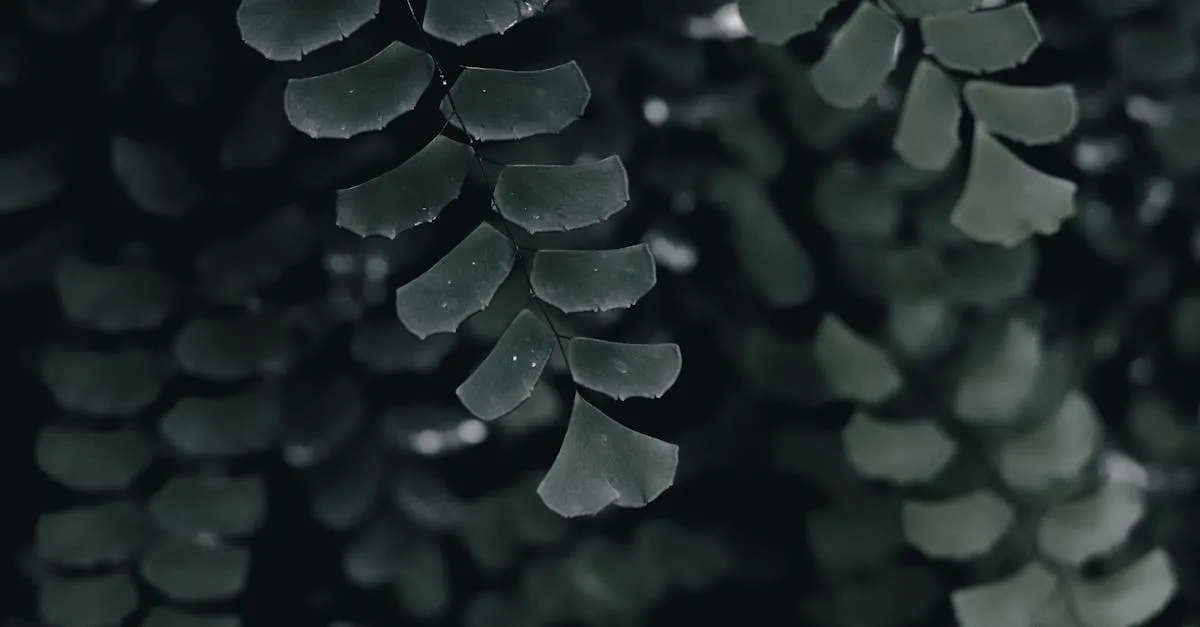
Let me be honest with you up front: the maidenhair fern is one of the trickiest houseplants you can buy, and most of the ones sold in garden centers are dead within a month. Successful maidenhair fern care comes down to a single rule that it enforces ruthlessly: the soil must never, ever dry out. Get that right, give it bright indirect light and high humidity, and those lacy black-stemmed fronds will reward you. Get it wrong once and the plant crisps to a brown ruin almost overnight.
Why this fern is so unforgiving
Maidenhair (genus Adiantum) comes from the spray zone of waterfalls and damp, shaded rock faces. Its fronds are paper-thin and have almost no waxy coating to slow water loss. That is the whole problem in one sentence. Most houseplants wilt as a warning and recover when you water them. A maidenhair does not give you that grace period: if the rootball dries even once, the fronds turn brown and brittle and do not green up again. People assume they have killed the plant. Usually they have only killed the foliage, and the crown can still recover.
Water it before it needs it
This is the part of maidenhair fern care that you cannot relax on.
- Keep the soil evenly, constantly moist. Not soggy, not waterlogged, but never dry on the surface. Check it daily at first until you learn the rhythm of your room.
- Bottom-water when you can. Stand the pot in an inch or two (3 to 5 cm) of water for ten minutes so the rootball wicks moisture up evenly, then let it drain. This avoids dry pockets in the center.
- Use a pot with drainage. Constant moisture and no drainage means root rot, which kills the plant in a different way. Moist is the goal, not stagnant.
- Watch your water quality. Maidenhairs can be sensitive to the salts and chlorine in hard tap water. If your tap water is heavily treated, see whether it is a problem for your plants and switch to rainwater or filtered water if leaf tips brown for no other reason.
A self-watering pot or a wick system genuinely helps here, because the plant punishes a single missed watering so severely.
Light, humidity, and where to put it
Light. Give it bright but indirect light. An east-facing windowsill, or a spot a little back from a brighter window, suits it well. Direct sun scorches the thin fronds in an afternoon, and deep shade leaves the plant weak and sparse.
Humidity. This fern wants humidity of 50 percent and ideally higher. Dry household air, especially with central heating running, is the second most common killer after drying out. Misting does very little on its own and is not a real fix. A bathroom with a window, a kitchen, a terrarium, or a spot beside a humidifier is where this plant actually thrives. A glass cloche or a closed terrarium turns a near-impossible plant into a manageable one.
If you cannot give it a humid spot, do not buy a maidenhair fern. No amount of careful watering makes up for dry air.
Temperature. Normal room temperatures of 60 to 75°F (16 to 24°C) are fine. Keep it away from radiators, heating vents, and cold drafts, all of which dry the air around the plant fast.
Cutting back a crispy plant
If your fern has gone brown and crunchy, do not throw it out yet. As long as you keep the soil moist, the crown often pushes new fronds.
- Cut every frond back to the base. Use clean scissors and remove all the brown growth right down to soil level. It looks drastic, but tatty fronds will not recover and they only drain the plant.
- Keep it warm, humid, and consistently moist. Treat the bare pot exactly as you would a healthy plant.
- Wait. New fronds usually appear within a few weeks. They emerge as tiny coiled fiddleheads and unfurl pale green.
Feed lightly with a diluted balanced fertilizer once new growth is established, roughly monthly through spring and summer. Maidenhairs have fine roots that scorch easily, so use half the strength on the label.
Before you bring one home
The maidenhair lives or dies on the spot you choose for it, so sort out the humid, bright-indirect location before the plant arrives rather than after. The single mistake that kills more of these ferns than anything else is letting the rootball dry out just once while you are away or distracted, so set up bottom-watering or a self-watering pot now and treat a skipped day as non-negotiable. Do that and a maidenhair stops being a one-month casualty and becomes the lush, feathery plant it is meant to be.
Where to go next
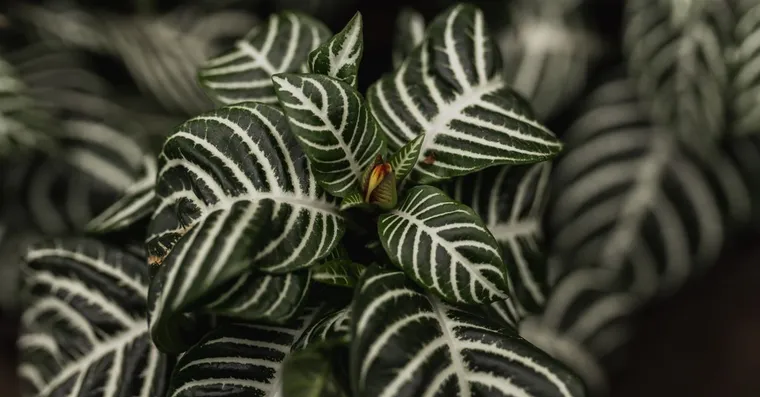
Zebra Plant Care: Growing Aphelandra Without Dropping Leaves
How to care for the striking Aphelandra zebra plant indoors, including the humidity and steady moisture it needs to keep leaves from dropping.
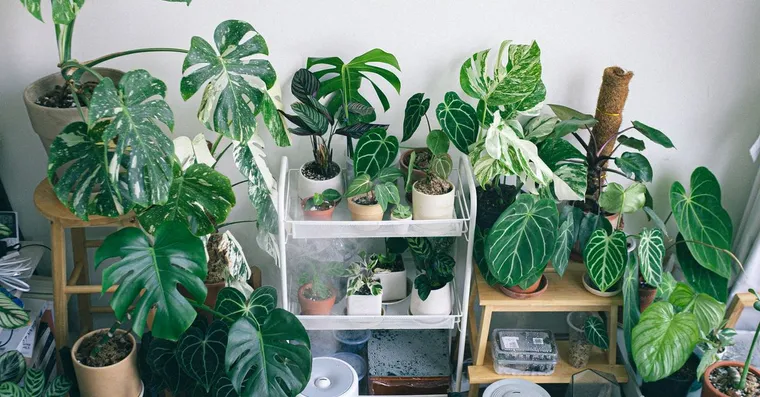
Best humidifiers for houseplants
Do your plants need a humidifier, and if so which one? A buying guide covering cool mist versus warm mist, room size, and when a humidifier beats misting.
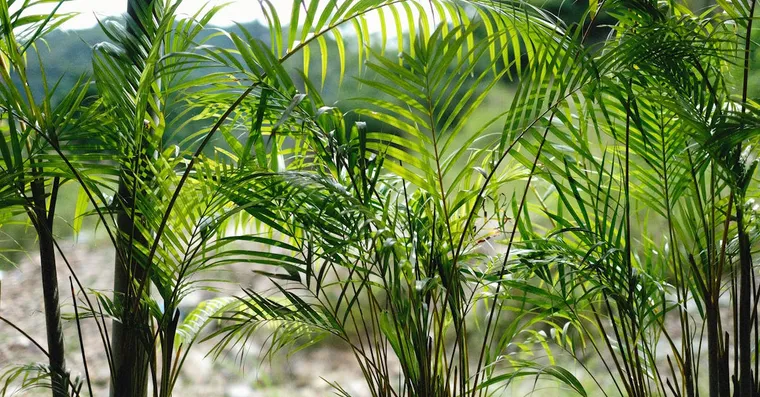
Areca Palm Care: Keeping the Fronds Green, Not Brown
How to care for an areca palm indoors, with the bright light, steady moisture, and humidity that stop its feathery fronds browning at the tips.
Not sure what plant you have? Identify it from a photo and we will point you at its care guide.