Areca Palm Care: Keeping the Fronds Green, Not Brown
How to care for an areca palm indoors, with the bright light, steady moisture, and humidity that stop its feathery fronds browning at the tips.
Some links in this guide go to Amazon. As an Amazon Associate we earn from qualifying purchases, at no extra cost to you. How this works.
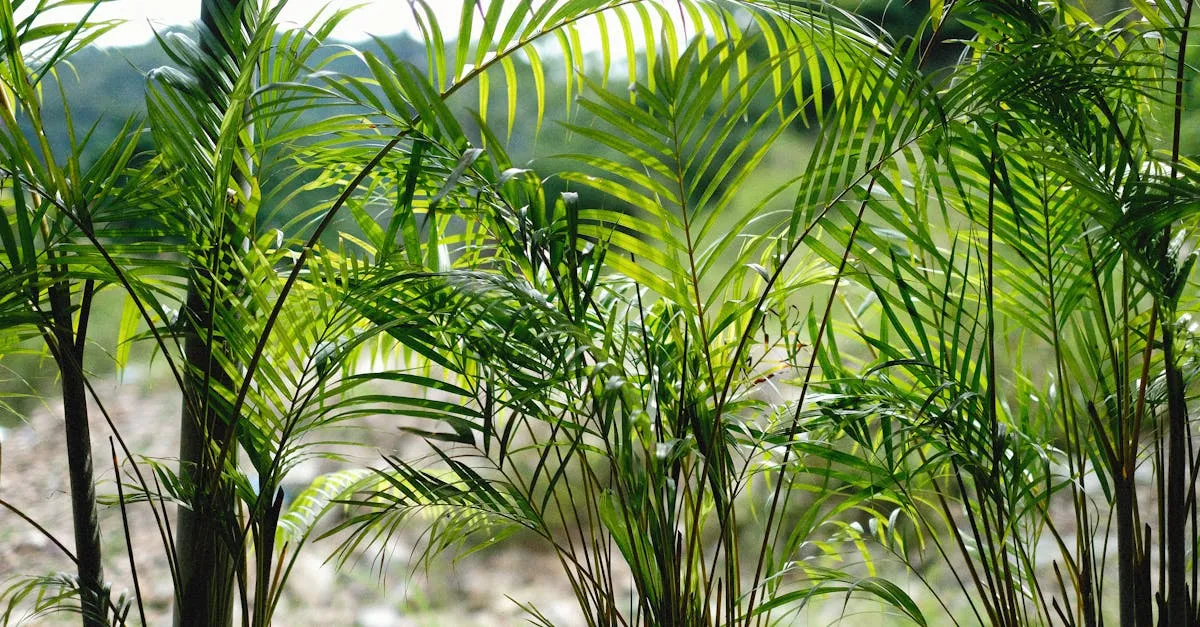
Areca palms look lush and tropical in a bright corner, right up until the fronds start tipping brown and you wonder what you did wrong. The honest answer to areca palm care is that this plant is genuinely thirstier and fussier about air quality than most indoor palms, and brown tips are the near-universal complaint rather than a sign you have killed it. Get the light, watering, and humidity close to right, and you will have a soft, feathery plant that keeps its color.
Why brown tips are the headline problem
Almost everyone who grows an areca ends up with crispy frond tips, so it helps to know the causes in order of how often they are to blame.
Dry air. Arecas want humidity around 50 percent or higher. Centrally heated or air-conditioned rooms sit far below that, and the thin tips dry out first.
Underwatering or inconsistent watering. This palm has a lot of foliage to support and dries out faster than a parlor palm or a snake plant. Letting it go bone dry, then soaking it, then forgetting again, shows up as brown edges.
Fluoride and salts in tap water. Arecas are sensitive to the fluoride and chlorine found in treated tap water, and to fertilizer salts that build up in the soil. Both scorch the tips over time. If your tap water is heavily treated, this is worth taking seriously. See our guide on whether tap water is safe for houseplants for the practical fixes.
A brown tip will not turn green again, so judge your care by the new fronds, not the damaged ones. Trim crispy tips with clean scissors, following the natural shape of the leaf, if the look bothers you.
Areca palm care: light, water, and humidity
Get these three right and the rest is maintenance.
Light. An areca wants bright, indirect light, ideally near an east or south-facing window with a sheer curtain. It tolerates some gentle morning sun but harsh midday rays through glass will bleach and scorch the fronds. In a dim corner it grows thin, pale, and slow, and it will lean hard toward the nearest window.
Water. Keep the soil evenly moist but never waterlogged. In practice, water when the top 3/4 to 1 inch (2 to 3 cm) feel dry, which in a bright spot through summer can mean two or three times a week. Always empty the saucer, because the roots sitting in water leads to root rot. In winter, growth slows and you water noticeably less.
Humidity. This is where most arecas struggle indoors. Group it with other plants, stand the pot on a tray of damp pebbles, or run a small humidifier nearby in winter. Misting does little for ambient humidity and is not a real fix; our houseplant humidity guide covers what actually works.
Judge your areca by the color of the fronds it grows next, not the brown on the ones it grew last month.
Soil, feeding, and repotting
Use a free-draining mix: standard houseplant compost loosened with perlite or a little orchid bark works well, in a pot with drainage holes.
Feeding. Feed monthly through spring and summer with a balanced liquid fertilizer at half the recommended strength. Stop in autumn and winter. Over-feeding pushes salt build-up, which feeds straight back into the brown-tip problem, so err on the light side and flush the soil with plain water every couple of months.
Repotting. Arecas like being a little snug and dislike root disturbance, so repot only every two or three years when roots fill the pot. Go up just one pot size. They naturally grow as clustered canes, so resist the urge to divide unless you are confident.
Safe around pets and children
One genuinely reassuring point: the areca palm is non-toxic and safe around cats, dogs, and small children. It appears on the ASPCA non-toxic list, so a curious nibble will not poison a pet, though any plant can cause mild stomach upset if eaten in quantity. That makes it one of the better large statement plants for a busy household. For more options, see our roundup of pet-safe houseplants. If you want a palm-like plant that needs far less water and attention, the ponytail palm is worth considering as a lower-maintenance alternative.
What the next set of fronds will tell you
The single mistake that catches most owners is treating dry winter air as a minor detail; the central heating season is exactly when humidity drops and fresh tips start to crisp, so set up your pebble tray or humidifier before the radiators come on rather than after. Keep watering steady and use filtered or rainwater if your tap is heavily treated, and you should see the new growth come through green and uniform. That clean new flush, not the trimmed brown on last summer’s leaves, is your proof the routine is working.
Where to go next
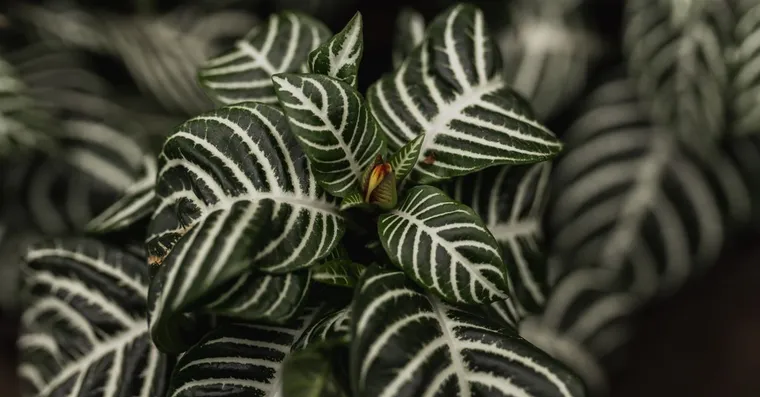
Zebra Plant Care: Growing Aphelandra Without Dropping Leaves
How to care for the striking Aphelandra zebra plant indoors, including the humidity and steady moisture it needs to keep leaves from dropping.
Best humidifiers for houseplants
Do your plants need a humidifier, and if so which one? A buying guide covering cool mist versus warm mist, room size, and when a humidifier beats misting.
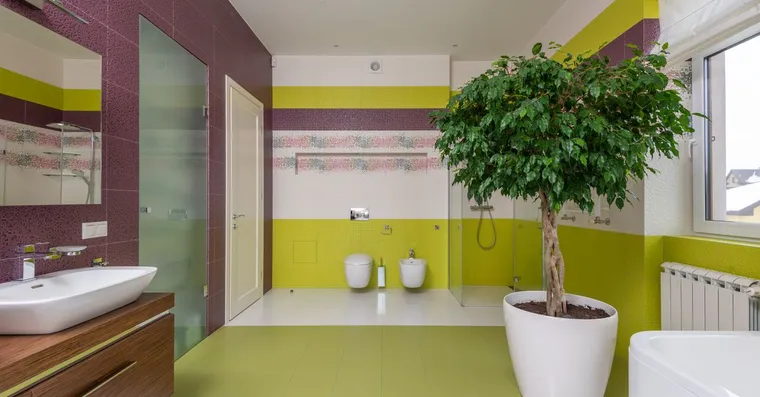
7 Houseplants That Thrive in a Bathroom
The best bathroom plants cope with low light, swings in temperature, and the humidity from a hot shower. These seven genuinely thrive there.
Not sure what plant you have? Identify it from a photo and we will point you at its care guide.