7 Houseplants That Thrive in a Bathroom
The best bathroom plants cope with low light, swings in temperature, and the humidity from a hot shower. These seven genuinely thrive there.
Some links in this guide go to Amazon. As an Amazon Associate we earn from qualifying purchases, at no extra cost to you. How this works.
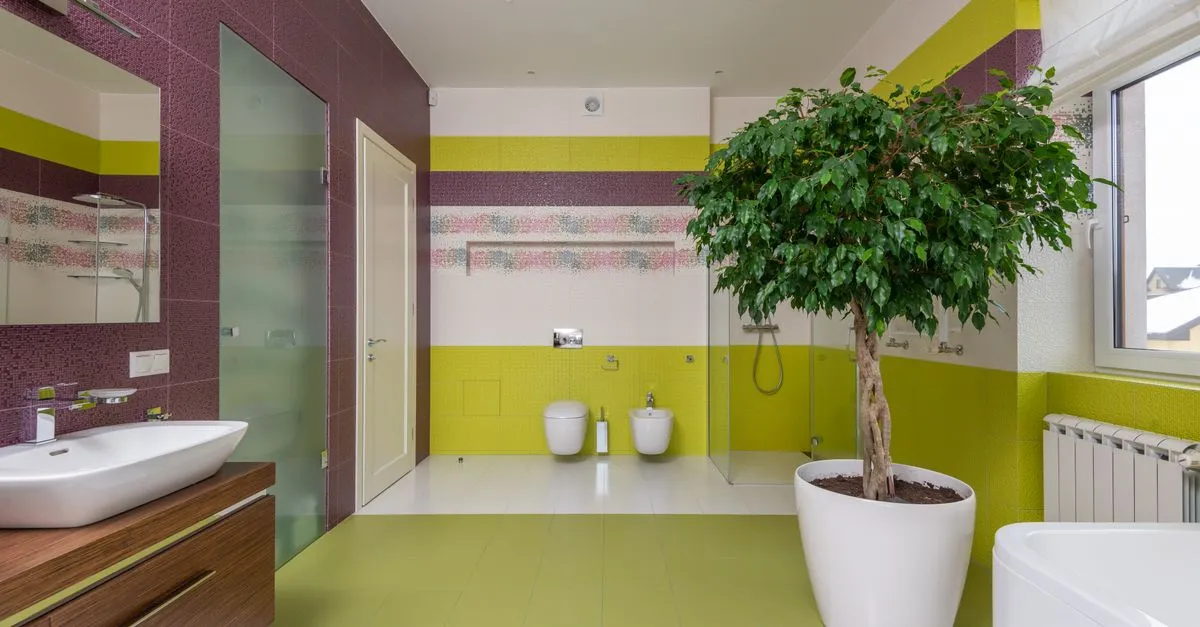
A bathroom is one of the harder spots in a home for a plant: light is often low or absent, temperatures swing as the room heats and cools, and humidity arrives in short bursts rather than staying steady. The plants below all cope with that combination, and the list runs roughly from toughest to fussiest, so the first picks survive on neglect while the last few reward you with better growth when the conditions suit them. Use it to match a plant to your specific bathroom rather than buying on looks alone.
How these plants were chosen
The deciding factor for the best bathroom plants is tolerance, not preference. Each plant here handles lower light than a sunny windowsill offers, shrugs off the temperature changes that come with running hot water, and is unbothered by, or actively enjoys, the humidity from a shower. I have ranked them so the plants that survive the widest range of conditions come first, with the moisture-loving ferns and the peace lily later because they need more from you to look their best. None of them, however, will survive a genuinely dark, windowless room without help, which the section after the list explains.
The seven plants, toughest first
Snake plant
Dracaena trifasciata. This is the plant to choose if your bathroom gets little light and you forget to water it. The upright leaves store water, so it tolerates long gaps and the on-off humidity without complaint, and it handles low light better than almost anything else here. Water it only when the soil is dry well down the pot, since sitting in damp compost is the one thing that kills it. The honest caveat: it merely tolerates a bathroom rather than loving it, and it is mildly toxic to cats and dogs if chewed. See the full snake plant care guide for watering detail.
Pothos
Epipremnum aureum. Pothos trails happily from a shelf or the top of a cabinet and adapts to a wide range of light, which makes it forgiving in a room where the light is unpredictable. It enjoys the warmth and moisture a bathroom provides and grows faster for it. Let the top inch or two (3 to 5 cm) of soil dry between waterings, and trim any leggy stems to keep it full. It is toxic to pets if eaten, so keep trailing vines out of reach; the pothos care guide covers placement and pruning.
ZZ plant
Zamioculcas zamiifolia. Like the snake plant, the ZZ is a survivor rather than a humidity lover, storing water in thick underground rhizomes that carry it through neglect and low light. It is an excellent choice for a bathroom you rarely think about, since it would rather be underwatered than over. Water it sparingly and only once the soil has dried out. It is mildly toxic if ingested, and growth is slow, so do not expect it to fill a space quickly; the ZZ plant care guide explains its watering rhythm.
Boston fern
Nephrolepis exaltata. Here the list shifts from tolerant to genuinely humidity-loving. A Boston fern thrives on the moisture a regularly used shower throws into the air, which keeps its fronds from crisping the way they do in dry rooms. Give it bright, indirect light and keep the soil lightly moist at all times, never bone dry. The caveat is that it is the fussiest plant here about consistency: a bathroom that is rarely used, or one with very low light, will leave it brown and sparse. The Boston fern care guide covers keeping it lush.
Peace lily
Spathiphyllum wallisii. The peace lily rewards bathroom humidity with glossy leaves and the occasional white flower, and it tolerates lower light better than most flowering plants. It also tells you clearly when it is thirsty by drooping, then perks up within hours of watering. Keep the soil moist but not waterlogged, and wipe the leaves occasionally so they can use what light there is. It is toxic to cats and dogs, so place it where pets cannot reach it; the peace lily care guide explains the drooping and watering.
Spider plant
Chlorophytum comosum. A spider plant copes with variable light and irregular watering, and the humidity helps keep its leaf tips from browning. It is fast to produce baby plantlets you can pot up, which makes it satisfying to grow. Water when the top of the soil dries, and use filtered or rainwater if you can, as it is sensitive to the fluoride in tap water that can scorch leaf tips. Reassuringly, it is non-toxic to pets; the spider plant care guide covers propagating the babies.
Bird’s nest fern
Asplenium nidus. This is the most forgiving of the true ferns and the gentlest on light, which is why it closes the list rather than the Boston fern. It loves humidity and tolerates lower light than most ferns, with broad, ripple-edged fronds that do not crisp as readily. Water around the base, not into the central rosette, to avoid rot, and keep the soil evenly moist. Its caveat is mainly patience: it grows slowly and dislikes being moved often. The bird’s nest fern care guide has the detail.
Humidity does not replace light
The most common bathroom-plant mistake is assuming that shower steam will keep a plant alive in a windowless room. It will not.
Humidity feeds the leaves, but light feeds the whole plant, and no amount of steam makes up for a room with no daylight.
If your bathroom has no window, or only a small frosted one, a plant needs a grow light on a timer to photosynthesize, even a tough one like the snake plant or ZZ. A frosted window still passes usable light, so plants near it usually manage; a fully internal room does not. It is also worth remembering that humidity in a bathroom is intermittent, spiking during a shower and fading after, so the moisture-loving ferns do best where the room is used daily. For more on this, see how much light houseplants actually need.
Start at the top of the list
If you are not sure which plant to try first, buy a snake plant or ZZ and watch how it does over a month before you add anything fussier. The usual regret is starting with a Boston fern in a bathroom that only gets used at weekends, then blaming yourself when the fronds brown. Get a feel for your room’s real light and how often the shower actually runs, and the rest of the list becomes easy to choose from. If your bathroom is on the darker side, cast iron plant care is worth a look as one of the toughest low-light options available, and Chinese evergreen is another forgiving choice that handles humidity and low light with very little fuss.
Where to go next
Zebra Plant Care: Growing Aphelandra Without Dropping Leaves
How to care for the striking Aphelandra zebra plant indoors, including the humidity and steady moisture it needs to keep leaves from dropping.
Best humidifiers for houseplants
Do your plants need a humidifier, and if so which one? A buying guide covering cool mist versus warm mist, room size, and when a humidifier beats misting.

Areca Palm Care: Keeping the Fronds Green, Not Brown
How to care for an areca palm indoors, with the bright light, steady moisture, and humidity that stop its feathery fronds browning at the tips.
Not sure what plant you have? Identify it from a photo and we will point you at its care guide.
Frequently asked questions
What is the best plant for a bathroom with no window?
None of them, without help. Humidity feeds the leaves but light feeds the whole plant, and no amount of shower steam makes up for a room with no daylight. A windowless bathroom needs a grow light on a timer before any plant will survive there, even one as tough as a snake plant or ZZ. A small frosted window is a different case, because it still passes usable light and plants near it usually manage.
Which bathroom plants are safe for cats and dogs?
The spider plant is non-toxic to pets, and it produces baby plantlets you can pot up as a bonus. Pothos and peace lily are toxic if eaten, so keep trailing vines and the peace lily well out of reach, and snake plants and ZZ plants are both toxic if chewed. If a cat shares the bathroom, start with the spider plant.
Does shower humidity actually help houseplants?
Yes, but the benefit arrives in bursts rather than staying steady. Humidity spikes while the shower runs and fades afterwards, which suits the moisture-loving plants only where the room is used daily. A Boston fern in a bathroom used at weekends will still go brown and sparse. The tougher plants, the snake plant and ZZ in particular, tolerate the on and off swing rather than needing it.
What is the easiest bathroom plant for a beginner?
A snake plant or a ZZ plant. Both store water, one in its upright leaves and the other in thick underground rhizomes, so they cope with long gaps between waterings and with low light, and both would rather be underwatered than over. Buy one and watch how it does over a month before adding anything fussier. The usual regret is starting with a Boston fern in a bathroom that only gets used at weekends.