Cast Iron Plant Care: The Near-Indestructible Aspidistra
A care guide for the cast iron plant, the shade-tolerant Aspidistra that survives deep neglect, with light, watering, and why it grows so slowly.
Some links in this guide go to Amazon. As an Amazon Associate we earn from qualifying purchases, at no extra cost to you. How this works.
Cast iron plant care has a reputation that holds up: the Aspidistra elatior earned its common name in the Victorian era because it survived gas fumes, cold halls, and neglectful owners when almost nothing else would. If you want a plant for a dim corner, a drafty hallway, or a spot you will forget to water, this is one of the few that genuinely tolerates all three. The trade-off is patience, because it grows slowly enough that you need to buy it close to the size you want.
Why the cast iron plant is so hard to kill
Aspidistra evolved as a forest-floor plant in Japan and Taiwan, growing in deep shade under dense canopy. That background explains its tolerances: it expects low light, cool temperatures, and uneven moisture, so the conditions that stress most houseplants are simply normal to it. It shrugs off drafts, temperature swings, and the odd missed watering without dropping leaves or sulking.
This is one of the genuinely beginner-proof plants, alongside the snake plant and the ZZ plant. The difference is that Aspidistra handles deeper shade than either, which makes it useful where nothing else will grow.
Light: low to medium, never direct sun
Low to medium indirect light is ideal. A north-facing room, a spot 15 feet (5 m) back from a window, or a dim hallway all suit it. It is one of the few plants that will hold its color in a corner that reads as too dark for anything else.
Avoid direct sun. Strong light scorches the leaves, leaving bleached or brown patches that the plant is too slow to replace. If you have a bright room, place it off to the side rather than on the sill.
A plant in deeper shade grows even more slowly and may show a little less gloss, but it stays healthy. For a fuller list of options in dark rooms, see the guide to low-light houseplants that actually survive.
Watering: wait for the top of the soil to dry
Let the top 3/4 to 1 inch (2 to 3 cm) of soil dry out before watering again. In practice that often means watering every week or two in summer and less in winter, but go by the soil rather than the calendar. Water thoroughly until it runs from the drainage holes, then empty the saucer so the roots never sit in water.
Aspidistra forgives underwatering far more readily than overwatering. The most common way to harm one is to keep the soil constantly wet, which leads to root rot. When in doubt, wait another few days.
If you are going to err, err on the side of too dry: this is a plant that survives drought far better than soggy roots.
Accept the slow growth, and buy it big
This is the honest catch. A cast iron plant typically pushes out only a handful of new leaves a year, and a small specimen can take years to fill a pot.
- Buy it near the size you want. Paying more for a fuller plant up front is the sensible move, because you will wait a long time for a small one to catch up.
- Protect the leaves you have. A torn, scorched, or dust-damaged leaf will not be replaced quickly, so handle the plant gently and keep it out of high-traffic spots where leaves get knocked.
- Wipe the leaves occasionally. The broad foliage collects dust, which dulls its look and slightly reduces light capture. A damp cloth every few weeks keeps it glossy. See how to clean houseplant leaves.
Feed lightly during spring and summer with a balanced houseplant fertilizer, no more than once a month, and not at all in winter. Feeding harder will not speed it up; it just risks burning the roots.
Repotting, soil, and temperature
Repot only every three to four years, or when roots fill the pot, because Aspidistra is slow to outgrow its container and dislikes disturbance. Use a standard well-draining potting mix and a pot with drainage holes.
It is comfortable in normal room temperatures and tolerates cold down to a few degrees above freezing, which is why it suited unheated Victorian halls. It does not need raised humidity and copes fine with dry indoor air.
Safe around cats and dogs
The cast iron plant is non-toxic to cats and dogs, so it is a sound choice for homes with pets. That combination, deep-shade tolerance plus pet safety, is genuinely rare; many easy low-light plants are toxic. If you are planning a pet-friendly home, it belongs on the shortlist alongside other pet-safe houseplants.
Set it down and leave it alone
The one trap with an Aspidistra is treating its slow, unchanging pace as a problem to fix, then overwatering or overfeeding to coax growth that will not come. A healthy cast iron plant can look identical for months, so judge it by firm, glossy leaves rather than new ones, and water only once the top inch or two (3 to 5 cm) have dried. If you bought it at the size you wanted and put it somewhere it will not be knocked or scorched, the right next step is genuinely to forget about it.
Where to go next
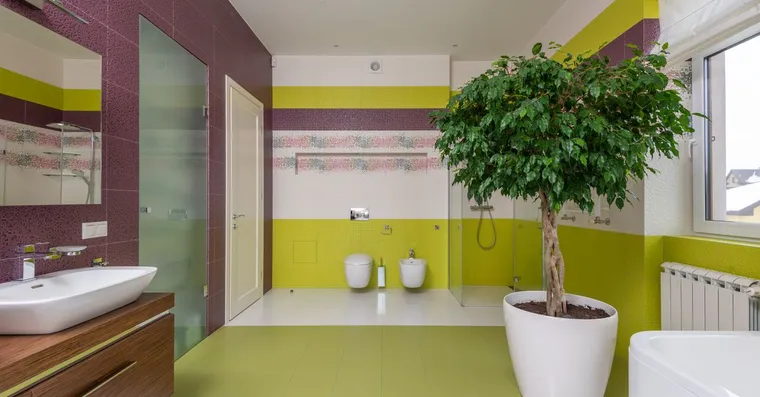
7 Houseplants That Thrive in a Bathroom
The best bathroom plants cope with low light, swings in temperature, and the humidity from a hot shower. These seven genuinely thrive there.
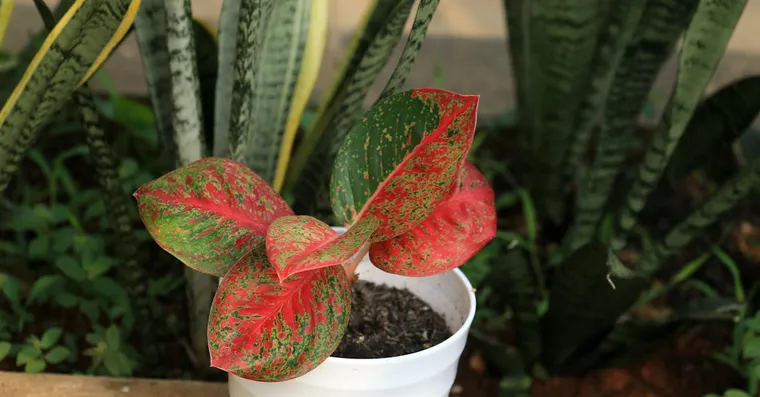
Chinese Evergreen Care: An Easy Aglaonema for Lower Light
How to care for an aglaonema Chinese evergreen, one of the most forgiving houseplants, with light, watering, and a note on its colorful varieties.
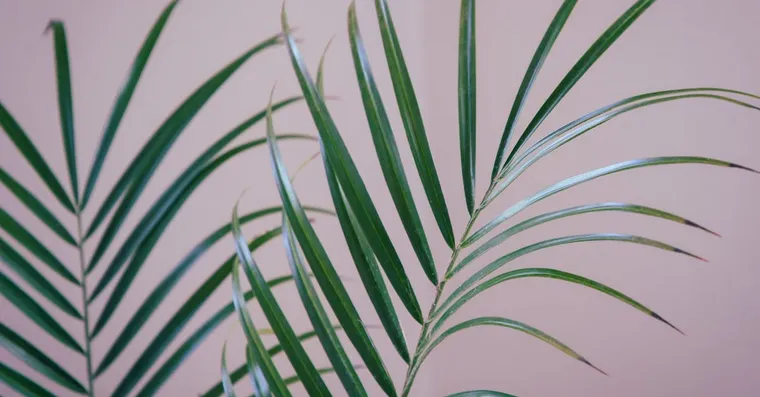
Parlor Palm Care: An Easy Indoor Palm for Lower Light
A care guide for the parlor palm, one of the few indoor palms that tolerates low light, with watering and brown-tip fixes.
Not sure what plant you have? Identify it from a photo and we will point you at its care guide.