Parlor Palm Care: An Easy Indoor Palm for Lower Light
A care guide for the parlor palm, one of the few indoor palms that tolerates low light, with watering and brown-tip fixes.
Some links in this guide go to Amazon. As an Amazon Associate we earn from qualifying purchases, at no extra cost to you. How this works.
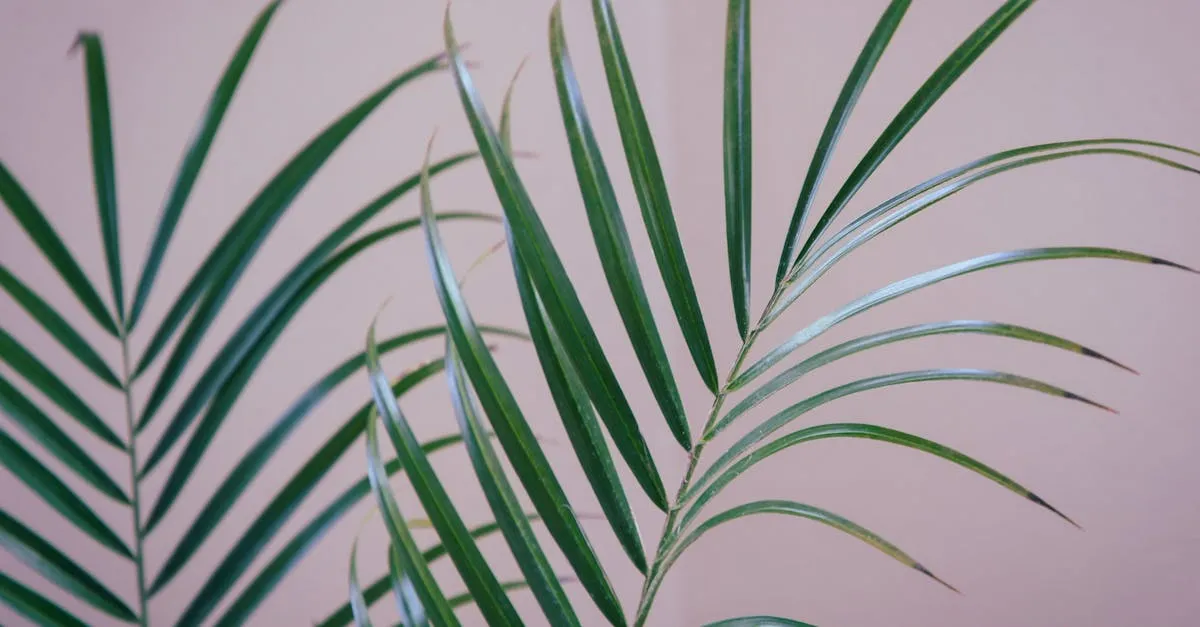
The parlor palm (Chamaedorea elegans) is one of the few palms that genuinely thrives indoors, and good parlor palm care comes down to keeping it out of harsh sun, watering it steadily, and accepting that it grows slowly. It asks for less light than almost any other palm, it is safe around cats and dogs, and it forgives the kind of neglect that kills fussier plants. The honest catch is the pace: this is a plant you grow for years, not weeks.
Why it suits low and medium light
Most palms sold as houseplants sulk away from bright light, but the parlor palm evolved on the shaded floor of Central American rainforests, so dim corners are its native condition rather than a hardship.
- Best position. Bright, indirect light 3 to 6 feet (1 to 2 m) back from an east or north window. This gives the fullest, greenest fronds and the steadiest growth.
- Lower light is fine. It tolerates genuinely dim spots that defeat other plants, which is why it appears on lists of low-light houseplants that actually survive. Growth slows further and the plant gets a little leggier, but it holds on.
- Avoid direct sun. Hours of unfiltered light scorch the fronds to pale, bleached patches. A south or west windowsill is too strong unless the glass is covered by a sheer curtain.
If your spot is very dark, a modest grow light keeps the plant compact, but it is rarely essential.
Watering without rot
The parlor palm wants soil that stays lightly moist, not soaked and not bone dry. Overwatering is the most common way to kill it, so steadiness matters more than volume.
- When to water. Wait until the top 3/4 to 1 inch (2 to 3 cm) of soil feel dry, then water until it runs from the drainage holes. Tip away anything left in the saucer.
- In winter. Growth nearly stops, so water less often. Cold, wet soil is exactly what causes root rot.
- The drainage rule. The pot must have holes. A peat-based potting mix with some perlite drains well enough; there is no need for a special palm blend.
Sitting in soggy soil will harm a parlor palm faster than forgetting to water it for a week.
Brown tips and what causes them
Brown frond tips are the complaint you will hear most often, and they almost always trace back to the air or the water rather than to anything serious. Ranked from most to least common:
- Dry air. Heated rooms in winter pull moisture from the thin fronds, browning the very tips. Grouping plants together or running a small humidifier helps; see the houseplant humidity guide for what actually works and what does not.
- Fluoride and other minerals in tap water. Palms are sensitive to the fluoride and chlorine added to many municipal supplies, which accumulate in the leaf and burn the tips. If your water is treated, switch to rainwater, distilled, or tap water left out overnight.
- Inconsistent watering. Letting the soil swing between waterlogged and bone dry stresses the roots and shows up as brown edges.
- Over-fertilizing. Salt build-up from too much feed scorches roots and tips alike.
Trim dead tips with clean scissors, following the natural taper of the frond, but fix the underlying cause or they will return. For the full diagnostic picture, see brown leaf tips: why they happen and how to stop them.
Feeding, potting, and slow growth
- Feeding. A balanced liquid fertilizer at half strength, once a month through spring and summer, is plenty. Do not feed in autumn and winter, when the plant is barely growing.
- Repotting. Parlor palms like being a little snug and resent root disturbance, so repot only every two or three years, in spring. Move up just one pot size.
- Manage expectations. This is a slow plant. An inch or two (3 to 5 cm) of growth a season is normal, and it may take years to reach its full indoor height of around 3 feet (1 m). Buying a fuller, more mature plant is the honest shortcut, since you cannot rush it.
Genuinely beginner-friendly and pet safe
The parlor palm earns its reputation. It tolerates low light, irregular watering, and average indoor humidity better than nearly any other palm, which is why it features among the best houseplants for beginners. It is also non-toxic to cats and dogs, making it a safe choice for pet-friendly homes. Watch for spider mites in dry air, as they favor the fine fronds, but otherwise this is an undemanding plant. If you want more height and a bolder tropical look, the areca palm is a faster-growing alternative, though it demands more light and more consistent moisture.
Settling in for the long haul
The single habit that keeps a parlor palm alive is letting that top inch or two (3 to 5 cm) of soil dry before you reach for the watering can, since soggy roots will undo it long before any other mistake does. Once you have that rhythm and a spot out of direct sun, the plant mostly looks after itself, so resist the urge to repot or fuss it into faster growth. If you want more height sooner, buy a fuller specimen rather than waiting on this one, because a parlor palm rewards patience and ignores impatience entirely.
Where to go next
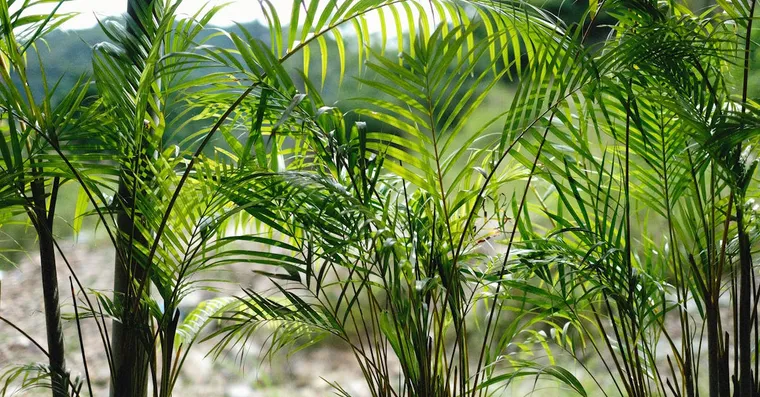
Areca Palm Care: Keeping the Fronds Green, Not Brown
How to care for an areca palm indoors, with the bright light, steady moisture, and humidity that stop its feathery fronds browning at the tips.
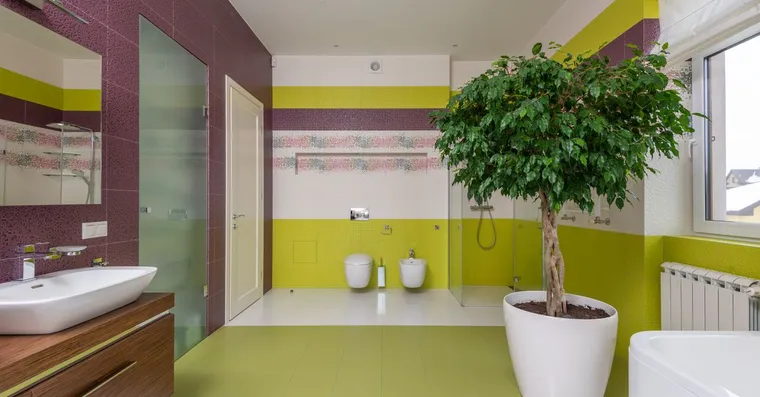
7 Houseplants That Thrive in a Bathroom
The best bathroom plants cope with low light, swings in temperature, and the humidity from a hot shower. These seven genuinely thrive there.
Cast Iron Plant Care: The Near-Indestructible Aspidistra
A care guide for the cast iron plant, the shade-tolerant Aspidistra that survives deep neglect, with light, watering, and why it grows so slowly.
Not sure what plant you have? Identify it from a photo and we will point you at its care guide.