Chinese Evergreen Care: An Easy Aglaonema for Lower Light
How to care for an aglaonema Chinese evergreen, one of the most forgiving houseplants, with light, watering, and a note on its colorful varieties.
Some links in this guide go to Amazon. As an Amazon Associate we earn from qualifying purchases, at no extra cost to you. How this works.
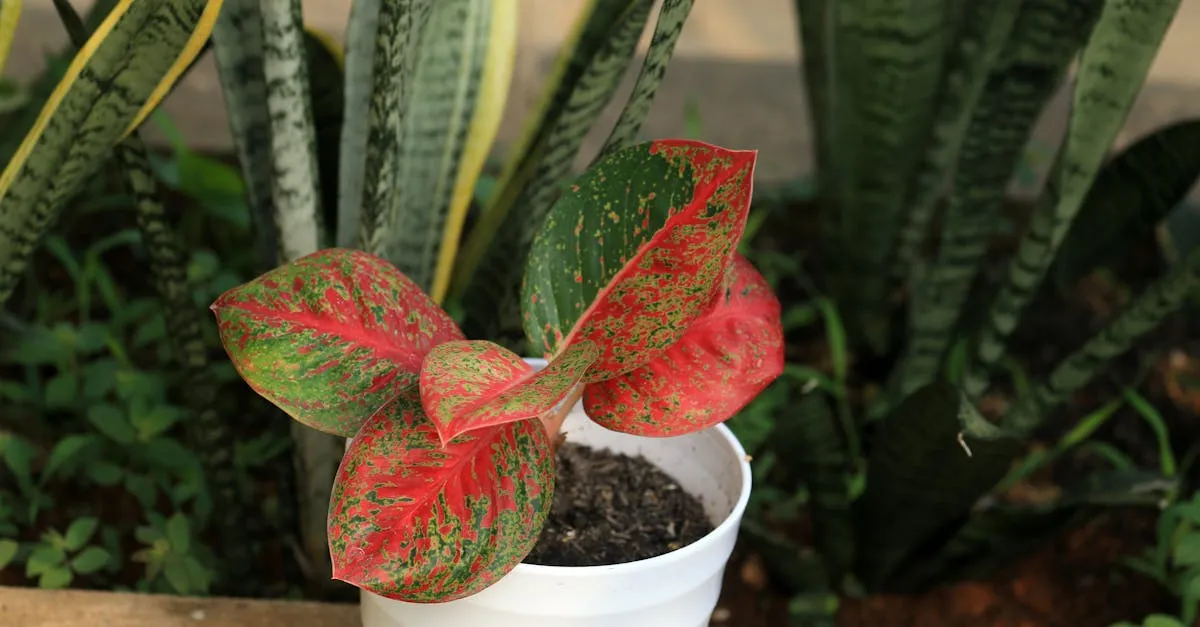
The Chinese evergreen, or Aglaonema, is one of the most forgiving houseplants you can grow, which is exactly why it turns up on so many beginner lists. The short version of Chinese evergreen care is this: give it medium to low light, water it only when the top of the soil has dried, and otherwise leave it alone. The one honest caveat is color. The plain green varieties cope with genuinely low light, while the pink, red, and cream types need brighter conditions to hold their markings.
How much light a Chinese evergreen actually needs
Light is where most of the variety-by-variety nuance lives, so it is worth being specific rather than vague.
Green cultivars (‘Maria’, ‘Silver Bay’, ‘Silver Queen’) are the true low-light performers. Place them 1.5 to 3m back from a north-facing window and they will hold their pattern without complaint. They are a sound choice for a low-light corner or any room that receives only indirect daylight through the day.
Pink and red cultivars (‘Siam Aurora’, ‘Red Valentine’) are sold as low-light plants, but that claim is only half true. They survive low light; they lose their color in it. To keep the pinks and reds vivid, position the plant within 1m of an east or west window that avoids harsh midday sun. If new leaves emerge noticeably smaller and paler than mature ones, the plant is not getting enough light for its cultivar type.
No Chinese evergreen wants direct sun. A few hours of strong afternoon light through glass will scorch the leaves and leave pale, bleached patches.
Low light keeps a green Aglaonema alive, but only brighter light keeps a pink one pink.
Watering by light level and season
How often you water should follow the light and the time of year, not a fixed schedule.
Bright indirect light, active growth: water roughly every 7 to 10 days. Dim corner in winter: stretch to every 18 to 25 days. Just repotted: hold off for 10 days to let disturbed roots settle. In every case, push a finger 3/4 to 1 inch (2 to 3 cm) into the soil and only water when it feels dry. Water thoroughly until it drains from the holes, then tip away anything pooling in the saucer.
Overwatering kills far more Chinese evergreens than underwatering does. The plant stores water in thick stems and tolerates a period of drought, so err on the dry side. Soft, yellowing lower leaves and a sour smell point to soil that stays too wet. If that happens, check the roots for root rot and repot into fresh mix if they are mushy.
Tap water and mineral build-up
Fluoride and chlorine accumulate at the leaf margins over months of regular tap-water use. The brown-tipped leaves that show up after the first year are often a mineral problem rather than a humidity one. In a hard-water area, switch to filtered or rainwater once the plant is established, and flush the pot thoroughly every 2 to 3 months by watering slowly until water runs clear from the drainage holes. See tap water for houseplants for a full comparison of water types.
Cold damage: the hidden killer
Chinese evergreens are tropical and dislike the cold. The threshold is 60°F (15°C). Below it, the damage does not look like ordinary yellowing. Instead, you see grayish, greasy-looking water-soaked patches that dry down to brown, papery areas within a few days. By that point the tissue is dead and will not recover. Lucy Liu, at her London nursery, has seen batches left near an open loading bay in a freezing draft look perfectly fine at first, then turn to slippery, translucent gray mush within 48 hours; once cold collapses the cell walls, there is no saving them.
Two sources catch people out: a window left ajar overnight in autumn, and a position beside an external door that opens repeatedly through the day in winter. If the nearest outside door opens more than roughly 5 times a day in cold weather, move the plant at least 2m away from it. Lucy’s practice for every cold-weather delivery is to leave plants fully wrapped in a warm back room for 24 hours before they go out onto the floor.
Soil, potting, and feeding
Soil. A standard peat-free houseplant mix works well. If yours holds water for a long time, loosen it with a handful of perlite or orchid bark so the roots get some air. A pot with a drainage hole is not optional.
Repotting. Chinese evergreens like being a little snug and are slow growers, so they only need repotting every 2 to 3 years, or when roots fill the pot. Go up just one pot size.
Feeding. Feed monthly with a balanced liquid fertilizer diluted to half strength during spring and summer. Stop in autumn and winter when growth slows.
Propagation by division
Aglaonema does not root reliably from stem cuttings, so skip that approach. The correct method is division. At repotting time (every 2 to 3 years), look for basal clumps that have formed at the base of the plant. Separate these carefully so that each division carries its own root mass. Pot each section into a 4 to 4 1/2 inches (10 to 12 cm) pot filled with fresh mix, and keep it out of direct light for two weeks while it settles. Mealybugs occasionally appear in the leaf axils; wipe them off with a damp cloth early. See how to divide houseplants for the step-by-step process.
It is toxic to pets and people
This matters enough to state plainly: the Chinese evergreen is toxic. The leaves contain insoluble calcium oxalate crystals that cause intense mouth irritation, drooling, and vomiting if chewed, in cats, dogs, and children alike. It is not deadly in most cases, but it is genuinely unpleasant. Keep it well out of reach, or choose from pet-safe houseplants instead if you have curious animals.
Pick the variety to match your light, not the other way round
The single decision that determines whether a Chinese evergreen thrives is choosing a green cultivar for a dim room and saving the pink and red types for a spot within 3 feet (1 m) of a bright window; get that pairing right and the rest is mostly leaving it alone. Going into autumn, the job shifts to protecting it from cold: move it well clear of drafty doors and ajar windows before the first chill, because a single freezing night does damage no amount of summer care will undo. If you only check one thing each week, push a finger into the soil and water solely when the top inch or two (3 to 5 cm) are dry.
Where to go next
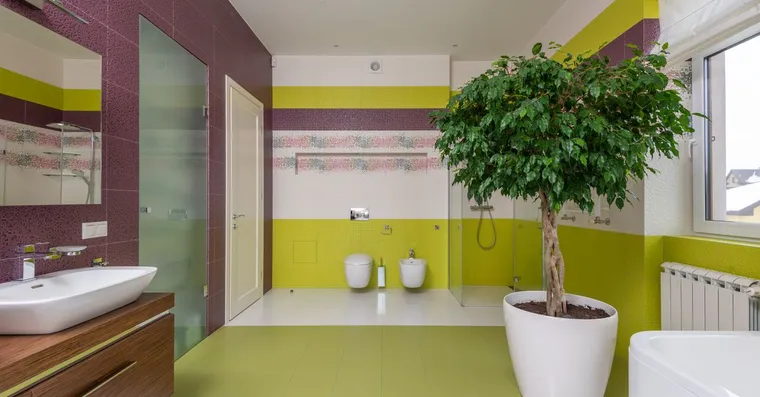
7 Houseplants That Thrive in a Bathroom
The best bathroom plants cope with low light, swings in temperature, and the humidity from a hot shower. These seven genuinely thrive there.

Cast Iron Plant Care: The Near-Indestructible Aspidistra
A care guide for the cast iron plant, the shade-tolerant Aspidistra that survives deep neglect, with light, watering, and why it grows so slowly.
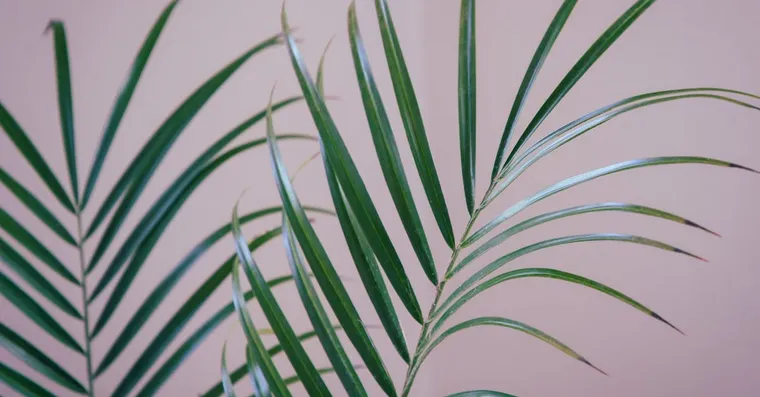
Parlor Palm Care: An Easy Indoor Palm for Lower Light
A care guide for the parlor palm, one of the few indoor palms that tolerates low light, with watering and brown-tip fixes.
Not sure what plant you have? Identify it from a photo and we will point you at its care guide.
Frequently asked questions
Why is my red Aglaonema turning green?
Pink and red cultivars like 'Siam Aurora' and 'Red Valentine' need bright indirect light within about 1m of an east or west window to hold their color. In lower light they revert to green because the pigment is not being triggered. Move the plant closer to a suitable window and new growth should show color within a few weeks.
How often should I water a Chinese evergreen in winter?
In a dim spot during winter, every 18 to 25 days is a reasonable starting point, but always finger-test first. The top 3/4 to 1 inch (2 to 3 cm) of soil must feel dry before you water. In a brighter spot with active growth, that interval shortens to roughly every 7 to 10 days.
Is a Chinese evergreen safe around cats and dogs?
No. The Chinese evergreen contains insoluble calcium oxalate crystals that cause intense mouth irritation, drooling, and vomiting if chewed, in cats, dogs, and children alike. Keep it well out of reach, or see our guide to pet-safe houseplants for alternatives.
Can I propagate a Chinese evergreen from cuttings?
Stem cuttings are not a reliable method for Aglaonema. The plant does not root well this way. The correct approach is division: split a basal clump at repotting time, making sure each section has its own root mass, and pot it into a 4 to 4 1/2 inches (10 to 12 cm) pot. See how-to-divide-houseplants for the full steps.