How to Clean Houseplant Leaves and Why It Matters
Simple methods for cleaning dust off houseplant leaves, why dusty foliage hurts plant health, and which leaf-shine products to skip.
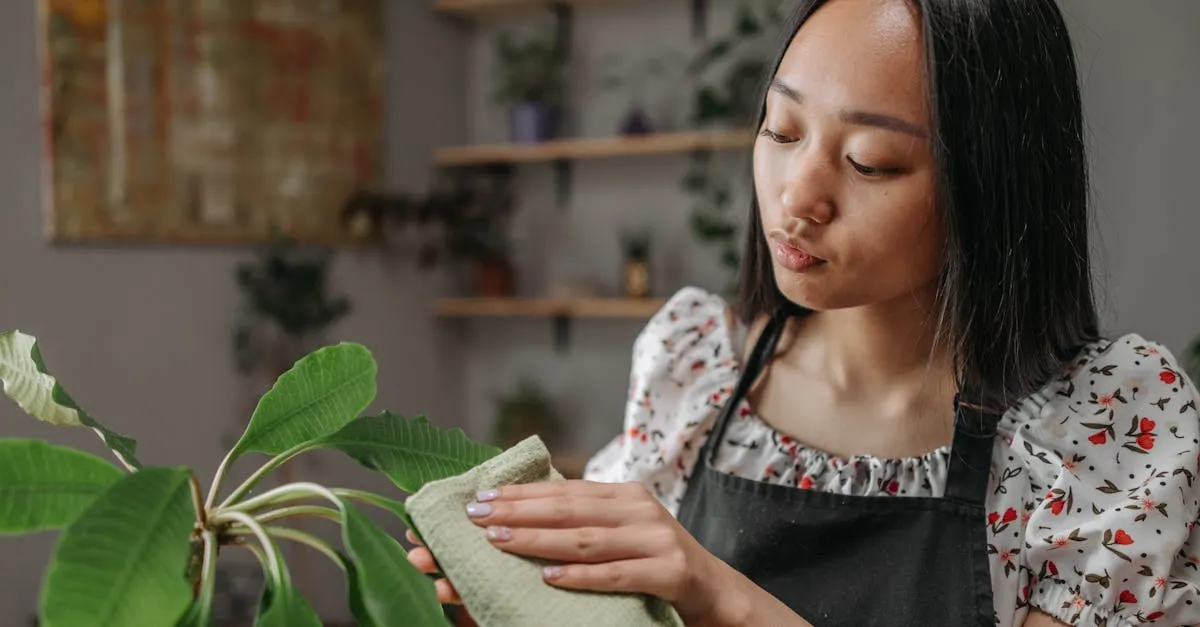
Dust is easy to ignore because it builds up slowly, but a film of it on your plant’s leaves quietly cuts how much light reaches the plant. Learning how to clean houseplant leaves takes a few minutes and uses things you already own. It is one of the simplest care jobs with a real, visible payoff.
Why dust on leaves actually matters
Leaves are how a plant feeds itself. They capture light and use it to turn carbon dioxide and water into sugars, the process that powers all new growth. A coating of dust sits between the light and the leaf surface, so less energy gets through. Studies of dusty foliage have measured noticeable drops in light absorption, and indoors, where light is already limited, that loss matters more.
Dust causes a second, slower problem. Tiny pores on the leaf, called stomata, open and close to let the plant take in carbon dioxide and release water vapor. A heavy layer of grime can partly block them, making the leaf work harder to do an ordinary job. Clean leaves also let you spot trouble early: a dusty plant hides the fine webbing of spider mites or the first sticky residue of mealybugs until the infestation is well advanced.
How to clean houseplant leaves the easy way
Match the method to the plant. Ranked from quickest to most thorough:
Wipe with a damp cloth. For most smooth, broad-leaved plants like monstera, rubber plant, or philodendron, this is all you need. Use a soft microfiber cloth dampened with plain room-temperature water. Support each leaf from underneath with one hand and wipe gently from the stem outward. Wipe the underside too, since that is where dust settles and pests hide.
Rinse in the shower or sink. For plants with many small leaves, a lukewarm shower is faster than wiping each one. Let the water run gently over the foliage for a minute or two, keep the pressure low, and tilt the pot so you do not flood the soil. Let the plant drain fully before it goes back on its saucer.
Use a soft brush. Plants with fuzzy or textured leaves, such as African violets, should never get wet foliage, because water marks the leaves and can cause rot. Dust them with a soft, dry paintbrush or makeup brush instead.
Dunk small plants. For a compact plant, invert it with one hand spread over the soil and swish the leaves in a bowl of clean water. This handles a spider plant or small pothos in seconds.
Clean every few weeks, or whenever the surface looks dull. Smooth-leaved plants in dusty rooms benefit from a wipe more often.
A leaf you can see your reflection in is a leaf doing its full job.
Skip the leaf-shine sprays
Garden centers sell aerosol and spray products that promise a glossy finish. They are worth avoiding. Most coat the leaf in a thin film of oil, wax, or silicone that adds shine but does the opposite of what cleaning should do: it can clog the stomata the plant breathes through and trap dust rather than remove it. The shine is cosmetic, and it works against the plant.
You do not need them. Plain water removes dust and leaves a natural finish. Avoid the home remedies too: milk, mayonnaise, coconut oil, and the rest all leave a residue that blocks pores and attracts more dust. If a leaf looks permanently dull or scarred rather than dusty, the cause is usually something else, such as hard tap water spotting or brown, crisping tips, and a shine spray will not fix it.
A few cautions
Use room-temperature water, never cold, which can shock tropical plants and leave pale marks. Be gentle: leaves bruise, and a torn leaf will not heal. Check the undersides as you go, because cleaning is a natural moment to scout for pests. If your tap water is hard and leaves white spots, wipe with filtered or cooled boiled water instead. And do not bother dusting a plant in dim light expecting a transformation; clean leaves help, but they cannot replace the light the plant is missing in the first place, so check it is getting enough.
Pair leaf cleaning with your watering routine
The easiest way to keep this up is to wipe or rinse the leaves on the same day you water, so dust never gets the chance to build into a real film. If you only change one habit, drop the leaf-shine sprays for good and reach for a damp cloth instead. In winter, when light is weakest and every bit counts, give your brightest-spot plants a clean a little more often.
Where to go next
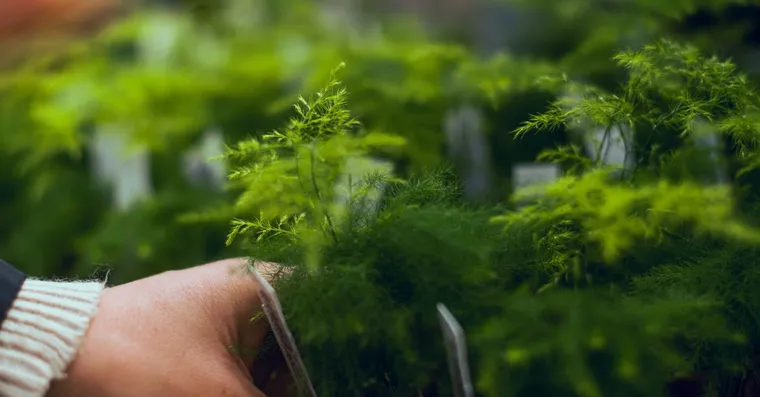
Asparagus Fern Care: Not a Fern, and It Has Thorns
Asparagus fern is not a fern, it is toxic to cats and dogs, and mature stems carry spines. Here is how to grow it and what to know first.
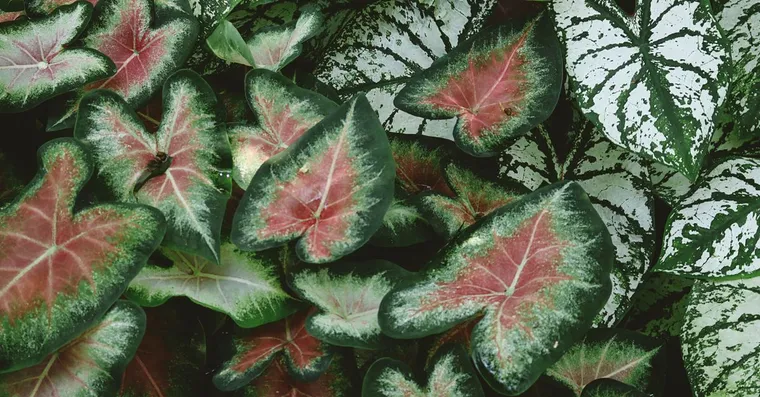
Caladium Care: Bright Leaves, Winter Dormancy, and Toxic Sap
Caladiums die back every winter and that is normal, not failure. Here is how to grow the tubers indoors and why they need care around pets.
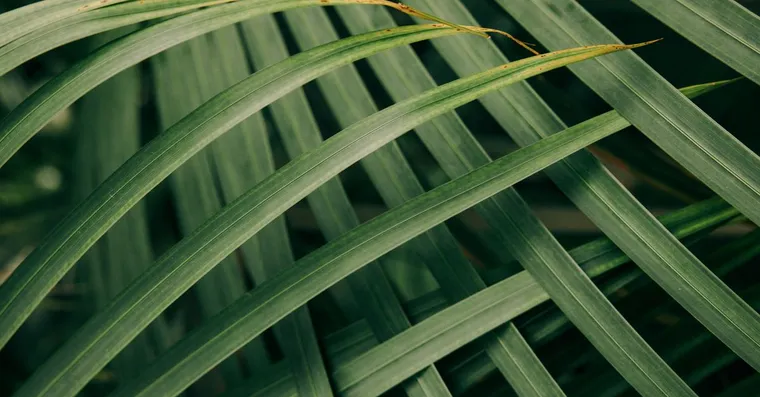
Majesty Palm Care: Light, Water, and Why It Browns
Majesty palms are sold as easy indoor palms and are not. They want more light, more water, and more humidity than a living room usually offers.
Not sure what plant you have? Identify it from a photo and we will point you at its care guide.