Zebra Plant Care: Growing Aphelandra Without Dropping Leaves
How to care for the striking Aphelandra zebra plant indoors, including the humidity and steady moisture it needs to keep leaves from dropping.
Some links in this guide go to Amazon. As an Amazon Associate we earn from qualifying purchases, at no extra cost to you. How this works.
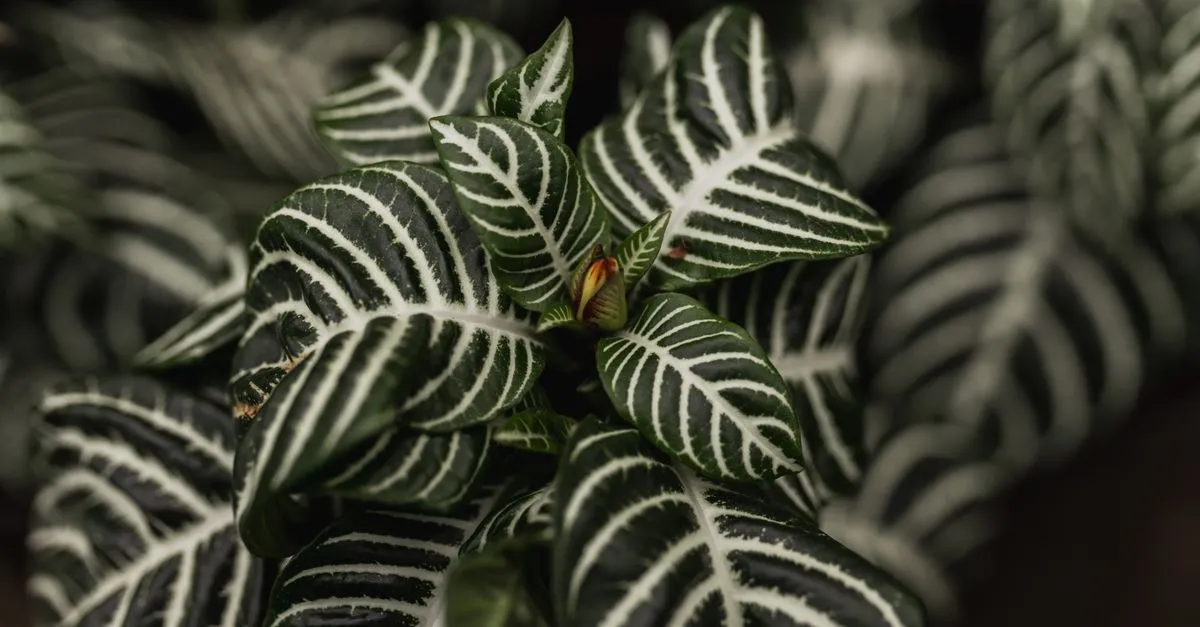
The true zebra plant, Aphelandra squarrosa, is one of the fussiest plants sold as an everyday foliage houseplant. It rewards you with dramatic white-veined leaves and a bright yellow flower spike, then drops those leaves the moment the air turns dry or cold. Good zebra plant care is really about keeping conditions stable: warm, humid, and consistently moist, with as few sudden changes as you can manage.
Which zebra plant do you actually have?
Three unrelated plants share the name, and the care could not be more different.
Aphelandra squarrosa is the true zebra plant, and the one this guide covers. It is a tropical shrub with glossy dark leaves, bold cream veins, and a cone-shaped yellow flower. It is thirsty and humidity hungry.
The zebra Haworthia (often sold as a zebra cactus) is a small succulent with white bands across stiff leaves. It wants bright light and infrequent watering, the opposite regime. If yours is a tough little rosette in gritty soil, see Haworthia care instead.
Calathea zebrina is a prayer plant with soft, velvety striped leaves and no yellow flower. It shares the humidity needs but is grown for foliage alone, and is covered in our Calathea guide.
The basics of zebra plant care
Get these five things right and stable, and the plant holds its leaves.
Light. Bright, indirect light. An east-facing window or a few steps back from a brighter one is ideal. Direct midday sun scorches the leaves; too little light means weak growth and no flowers.
Water. Keep the soil consistently moist, never soggy and never bone dry. Water when the top half inch (1 cm) starts to dry, using room-temperature water. Letting it dry out fully is the fastest way to lose leaves.
Humidity. This is the hard part. The plant wants 60 percent humidity or more, and most heated rooms sit at 30 to 40. A humidifier nearby is the only reliable fix; grouping plants together helps a little. Misting does almost nothing for ambient humidity, so do not rely on it. Our humidity guide covers the methods that actually work.
Temperature. Aim for 65 to 75°F (18 to 24°C), with no cold drafts. Below about 55°F (13°C), or beside a cold windowpane or a frequently opened door, it will sulk and drop leaves. Keep it away from radiators too, which dry the air around it.
Feeding. During spring and summer, feed every two weeks with a balanced liquid fertilizer at half strength. It is a hungry plant in active growth, especially when building a flower.
Treat the zebra plant like a terrarium plant that happens to live in a pot: it wants jungle air, not living-room air.
Why the leaves drop
Leaf drop is the defining complaint, and it almost always traces to a handful of causes, ranked here from most to least common.
- Dry air. Low humidity is the usual culprit. Lower leaves yellow, curl at the edges, and fall.
- The soil drying out. Even one hard dry-down between waterings can trigger a wave of leaf loss.
- Cold and drafts. Sudden chills, a cold sill, or a drafty hallway will shock it.
- Waterlogged roots. Constant sogginess rots the roots, and the plant sheds leaves as it fails to take up water. Use a pot with drainage and never leave it standing in a saucer.
- Age and flowering. Some lower-leaf loss after a flower fades is normal, not a crisis.
If your plant is shedding fast, check humidity and watering first before assuming the worst.
After it flowers
The yellow bract lasts several weeks, with small flowers emerging from it, then fades and browns. Once it does, cut the spent flower spike off. The plant often looks leggy and bare at this point, which is normal. Prune the main stem back to a lower pair of leaves to encourage bushier regrowth, and keep conditions warm and humid while it recovers. Many people treat a flowering zebra plant as temporary and discard it, but with steady care it will leaf out again and can rebloom the following year.
Repot in spring only when roots fill the pot, using a peat-free mix that holds moisture but still drains. A pot one size up is plenty; this plant dislikes a large, slow-drying volume of soil around its roots.
Getting it through its first winter
Winter is when zebra plants fail, because central heating drops the air to 30 percent humidity just as cold windowsills and drafts arrive, and that combination triggers the leaf drop everyone dreads. If you only act on one thing, run a humidifier near the plant from the moment the heating goes on and keep it well away from the cold glass. A plant that holds its leaves from October to March will reward you with new growth, and likely a fresh flower spike, come spring.
Where to go next
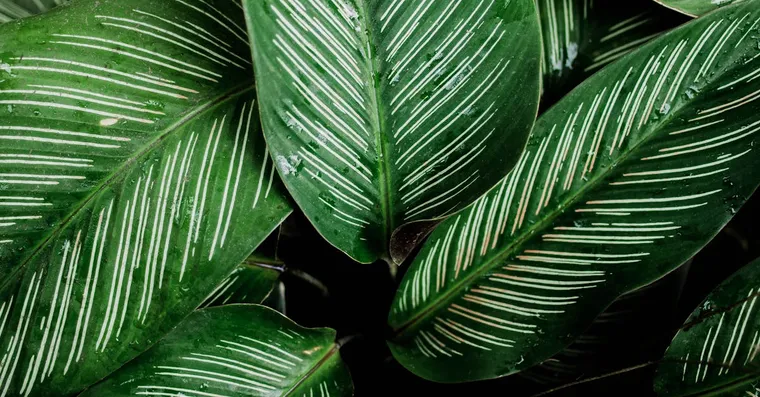
Calathea Care: Why This Prayer Plant Is Worth the Fuss
A practical care guide for calathea, covering its real demands for humidity, distilled water, and indirect light, and whether the plant suits your home.
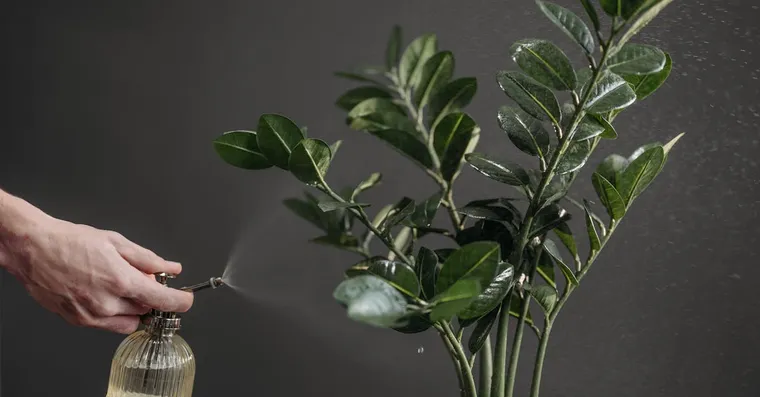
Houseplant Humidity: Which Plants Need It and How to Raise It
Some houseplants genuinely need humidity and some do not. Calatheas and ferns need 50 to 60 percent; for most others, a normal room is fine.
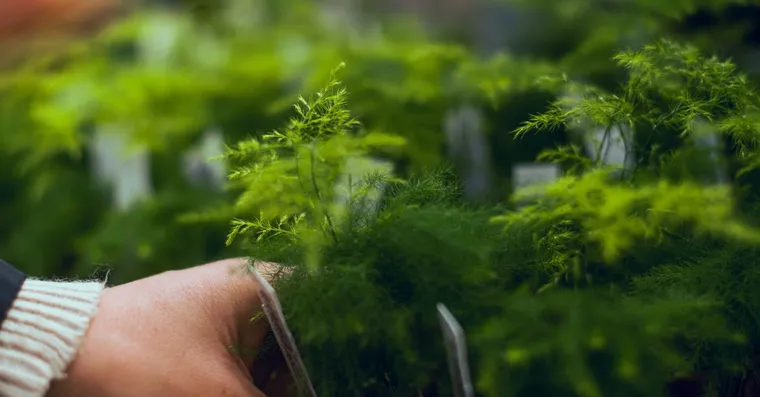
Asparagus Fern Care: Not a Fern, and It Has Thorns
Asparagus fern is not a fern, it is toxic to cats and dogs, and mature stems carry spines. Here is how to grow it and what to know first.
Not sure what plant you have? Identify it from a photo and we will point you at its care guide.