Bird's Nest Fern Care: A Forgiving Fern for Lower Light
How to care for a bird's nest fern indoors, a forgiving fern that tolerates lower light and needs less fuss than most ferns.
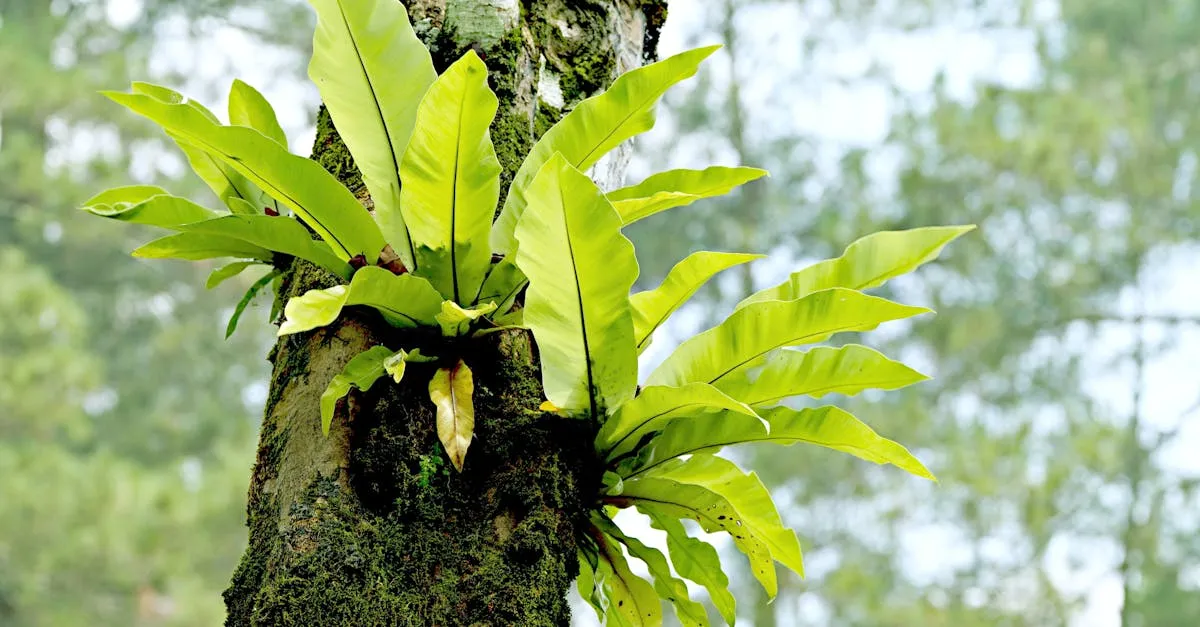
If you have tried ferns before and watched them crisp into a brown husk, the bird’s nest fern is the one to try next. Bird’s nest fern care is genuinely simple compared with most ferns: it tolerates lower light, forgives the odd missed watering, and grows as broad, glossy fronds rather than the fine, thirsty fronds that dry out in minutes. There is only one real way to kill it, and once you know that, the plant largely looks after itself.
Why this is the easiest fern for beginners
Most ferns suffer indoors because they want constant moisture and high humidity, and a centrally heated room gives them neither. The bird’s nest fern (Asplenium nidus) is built differently. In the wild it grows on tree trunks, catching leaf litter and rain in its rosette, so it is used to roots that are not permanently soaked. Its fronds are solid and leathery rather than feathery, which means they lose water slowly and shrug off dry air far better than a Boston fern would.
The shared principles that govern all ferns still apply, and the indoor fern care guide covers them in full. If you are drawn to ferns that mount on walls or boards rather than sitting in a pot, see staghorn fern care for how the antler fern is watered and mounted. What follows is specific to this plant.
Light: bright shade, never direct sun
Bright, indirect light is the sweet spot. A spot 3 to 6 feet (1 to 2 m) back from an east or north-facing window suits it well. The fronds stay a deep, even green and unfurl at a steady pace.
It copes with genuinely low light. This is one of the few ferns that earns a place on a list of low-light houseplants that actually survive. Growth slows in a dim corner, but the plant holds its condition.
Direct sun is the thing to avoid. A few hours of harsh sun will scorch the fronds, leaving bleached or brown patches that do not recover. If new fronds emerge pale and weak, the room is too dark; move it closer to the window.
Watering: keep the soil damp, not wet
Water when the top half inch (1 cm) or two of soil feels dry, aiming for soil that stays lightly damp rather than soggy. In a warm room that usually means roughly once a week, less in winter. Pour slowly until water runs from the drainage holes, then empty the saucer so the roots are not left standing in it.
If the fronds yellow and the soil smells sour, you have overwatered, and the fix is the same as for any plant: see how to save an overwatered plant before the rot spreads.
Never water into the central crown
This is the single mistake that rots a bird’s nest fern. The plant grows from a tight central rosette, the “nest”, and new fronds emerge from its core. Water sitting in that crown has nowhere to drain, and it quickly turns to soft brown rot that destroys every new frond before it opens.
Always pour water onto the soil at the edge of the pot, never down into the center of the plant.
If water does splash into the crown, tip the pot gently to let it run out, or dab it dry. Treat the nest as off-limits, and one of the most common fern failures simply cannot happen to you.
Humidity: helpful, but not essential
Average room humidity is fine. Unlike most ferns, this one does not collapse in dry air, so you do not need a humidifier to keep it alive.
Extra humidity makes it look better. In a bathroom or a naturally humid room, fronds grow larger and the edges stay smoother. If your air is very dry and frond edges brown, raising humidity helps; the houseplant humidity guide lists practical ways to do it.
Skip misting the crown. Misting does little for humidity, and droplets settling in the nest carry the same rot risk as watering it. Mist the outer fronds only, or not at all.
What a settled bird’s nest fern looks like
A thriving plant pushes fresh, pale green fronds from the center that darken and firm up as they unfurl, so the habit to build is checking that the crown stays dry every time a new one opens. This is a slow grower, so do not read a quiet month as a problem; a browning frond tip is usually a sign to lift the humidity rather than a crisis. Keep watering at the pot’s edge and the nest dry, and this is a fern you can largely leave to get on with it.
Where to go next
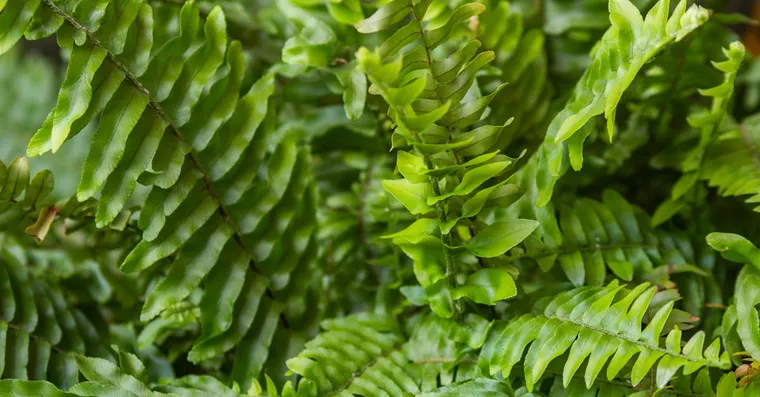
Boston Fern Care: Keeping This Classic Fern Lush Indoors
Everything you need to keep a Boston fern lush indoors, covering humidity, watering, light, and why the fronds keep dropping crispy leaflets.
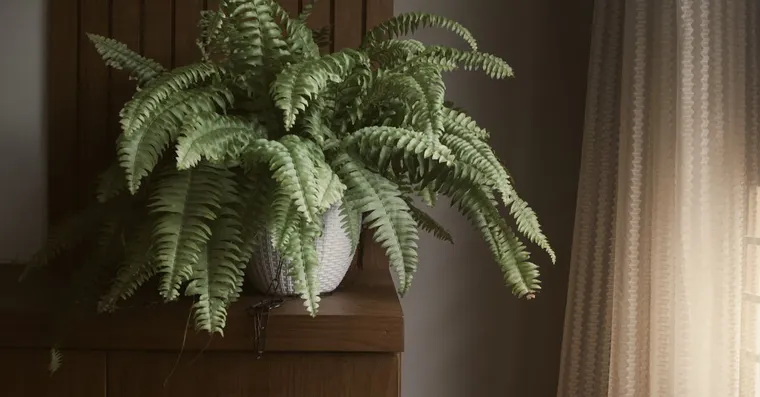
Indoor Fern Care: How to Keep Ferns Alive Inside
How to keep indoor ferns green and lush: the humidity, watering, light, and soil they need, plus why fronds turn brown and crispy and how to fix it.
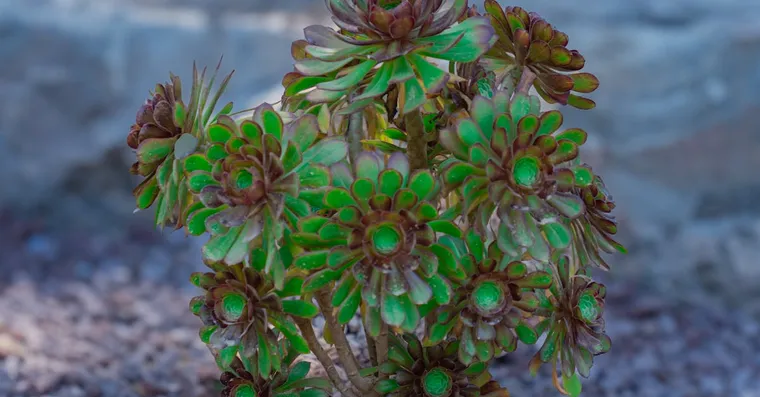
Aeonium Care: Growing Black Rose and Other Varieties
How to care for aeonium succulents including the dark Zwartkop, with advice on their summer dormancy, watering, and light needs.
Not sure what plant you have? Identify it from a photo and we will point you at its care guide.