Fittonia Care: Reviving the Dramatic Nerve Plant
How to care for a fittonia nerve plant, with the humidity and steady moisture that stop the famous dramatic faint when it dries out even slightly.
Some links in this guide go to Amazon. As an Amazon Associate we earn from qualifying purchases, at no extra cost to you. How this works.
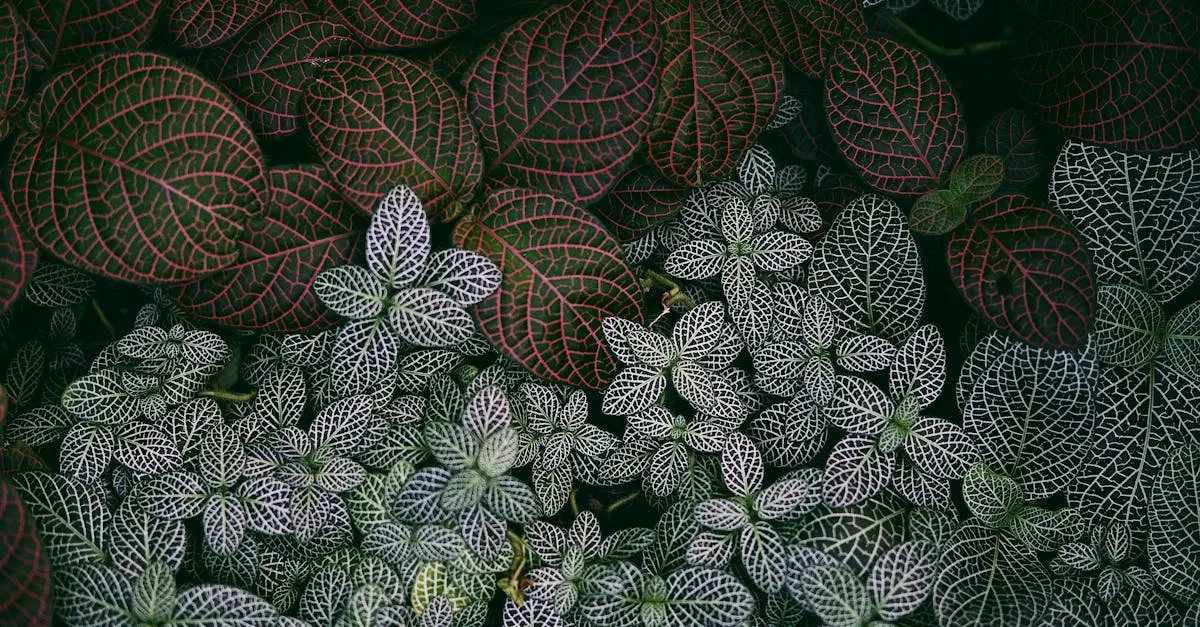
Fittonia, the nerve plant, is famous for two things: a network of bright veins across each leaf, and the theatrical way it wilts the moment it gets thirsty. Good fittonia nerve plant care comes down to accepting that drama instead of fighting it, because the collapse you see is a warning system, not a death. Keep the soil lightly moist and the air humid, and this small tropical will reward you with some of the most striking foliage you can grow indoors.
What fittonia actually wants
Fittonia (often sold as nerve plant or mosaic plant) is a low, spreading plant from the rainforest floor of South America. It grows in dappled shade under taller plants, in damp leaf litter, surrounded by moist air. Every care decision follows from that. It is not a windowsill succulent or a forgiving pothos, and treating it like one is the usual reason people struggle with it.
The good news: it stays small, around 4 to 6 inches (10 to 15 cm) tall, so it fits places bigger plants cannot, and it is non-toxic to cats and dogs. If pet safety matters to you, it sits comfortably alongside other pet-safe houseplants.
The dramatic faint, and why it is not an emergency
This is the trait everyone warns you about. When the soil dries past a certain point, a fittonia goes limp all over, leaves drooping as if it has died overnight. It looks alarming. It is not.
Water it properly and the plant rebounds within a few hours, often by the same evening, with no lasting damage. Treat the faint as a reminder rather than a failure: it is the plant telling you the soil went one step too dry. That said, do not rely on it as your watering schedule. Repeated collapses stress the plant, and over time the leaf edges crisp and brown. Aim to water before the faint, not because of it.
A wilting fittonia is asking for water, not announcing its death.
Watering for constant light moisture
Fittonia wants soil that stays evenly, lightly moist, never soggy and never bone dry.
- Check the top of the soil often. When the surface feels barely dry to the touch, water. In a warm room this can mean every two to four days.
- Water thoroughly, then drain. Let water run through and tip away anything that collects in the saucer. Sitting in water leads to root rot.
- Use room-temperature water. Cold water from the tap can shock the roots of a warmth-loving tropical.
If you find the every-few-days rhythm hard to keep up, a self-watering pot or a chunky, moisture-retentive mix helps hold the balance.
Light, humidity, and warmth
Light. Fittonia wants medium, indirect light. An east-facing spot or a position 3 feet (1 m) back from a brighter window suits it well. Direct sun scorches and bleaches the delicate leaves, while deep shade fades the vein pattern and makes growth leggy.
Humidity. This is the make-or-break factor. Fittonia needs high humidity, ideally above 50 to 60 percent, and dry indoor air gives it crisp brown edges fast. This is why it thrives in a closed terrarium or a steamy bathroom, where the air does the work for you. If it lives in an open room, group it with other plants or stand it on a pebble tray. Misting helps only briefly, so do not rely on it alone. For the fuller picture, see raising humidity for houseplants.
Warmth. Keep it between 65 and 80°F (18 and 26°C) and away from cold drafts and heating vents.
Keeping it bushy and fed
Pinch out the growing tips regularly. Fittonia responds to pinching by branching, which keeps it full and compact rather than thin and trailing. Through spring and summer, feed with a balanced liquid fertilizer at half strength every few weeks, and ease off in winter when growth slows.
The pieces you pinch off are easy to propagate. Stem cuttings root readily in water or moist soil, so one plant quickly becomes several, using the same approach as propagating from cuttings.
Getting ahead of the faint
The single thing that separates a thriving nerve plant from a struggling one is humidity, so if you only fix one variable, raise the air moisture before you adjust anything else. Aim to water just before the leaves droop rather than waiting for the collapse, and once you learn your plant’s rhythm in its particular spot, the drama all but disappears. Watch it most closely through winter, when central heating dries the air fastest and those crisp brown edges tend to creep back.
Where to go next
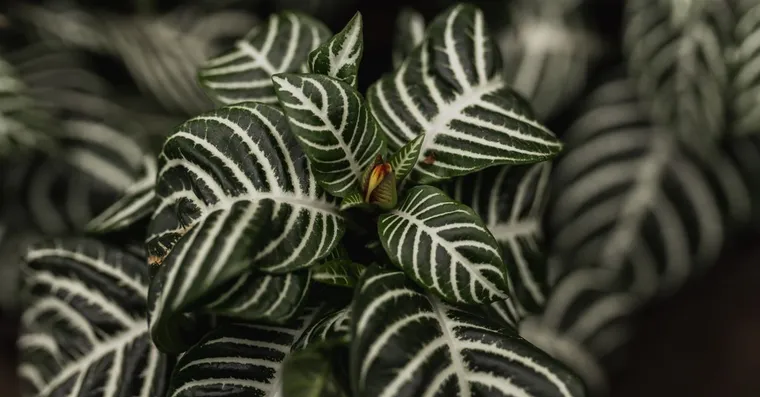
Zebra Plant Care: Growing Aphelandra Without Dropping Leaves
How to care for the striking Aphelandra zebra plant indoors, including the humidity and steady moisture it needs to keep leaves from dropping.
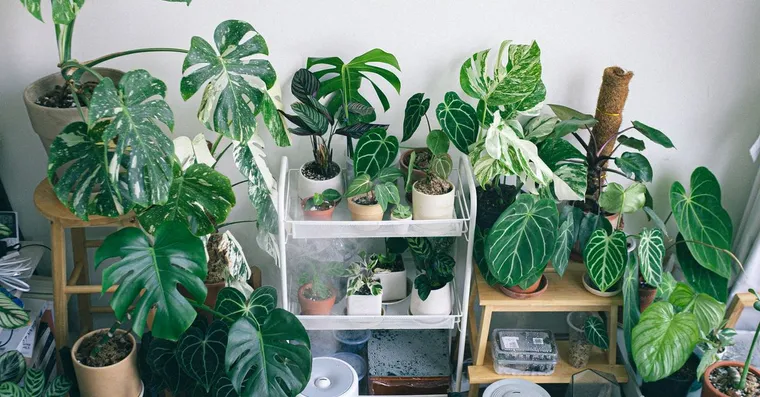
Best humidifiers for houseplants
Do your plants need a humidifier, and if so which one? A buying guide covering cool mist versus warm mist, room size, and when a humidifier beats misting.
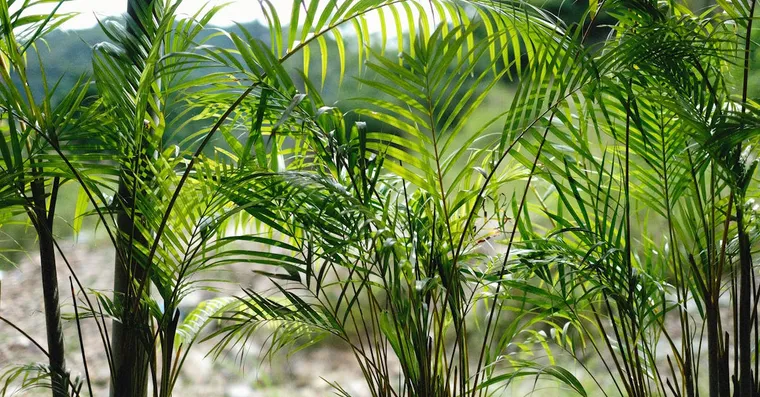
Areca Palm Care: Keeping the Fronds Green, Not Brown
How to care for an areca palm indoors, with the bright light, steady moisture, and humidity that stop its feathery fronds browning at the tips.
Not sure what plant you have? Identify it from a photo and we will point you at its care guide.