Choosing the Right Pot: Size, Material, and Drainage
How to choose the right pot for a houseplant, covering pot size, terracotta versus plastic versus ceramic, and why the drainage hole matters most.
Some links in this guide go to Amazon. As an Amazon Associate we earn from qualifying purchases, at no extra cost to you. How this works.
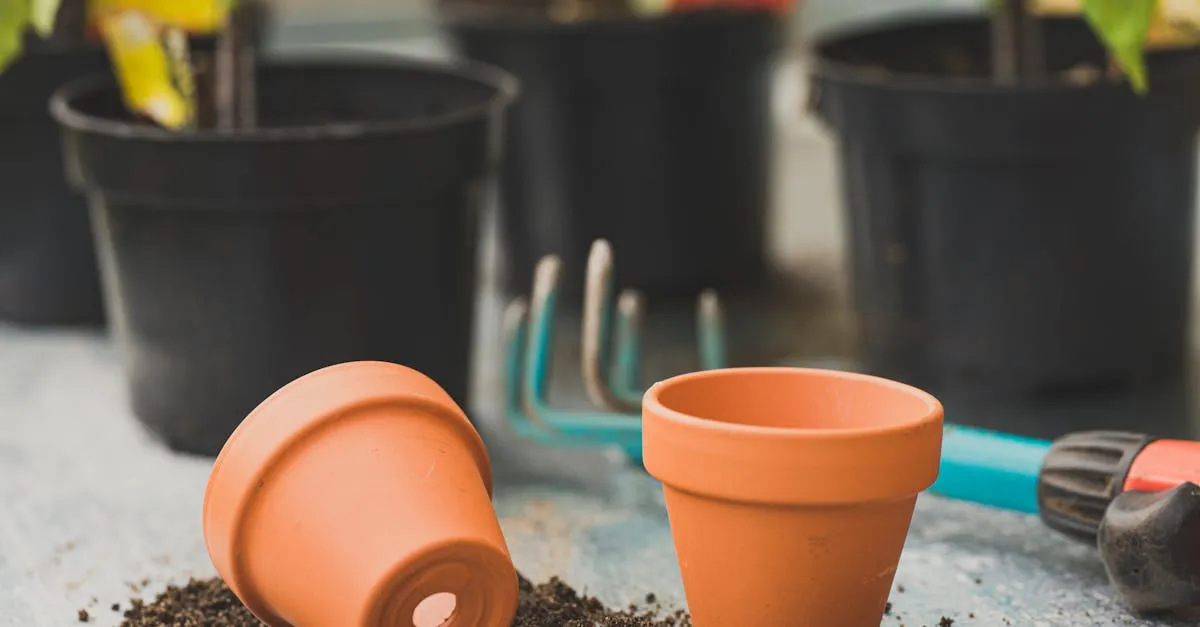
Most pot advice starts with looks, but choosing the right pot for houseplants is really a question of plumbing and proportion. Get the drainage and the size right and almost any pot will do; get them wrong and the prettiest ceramic in the shop will rot your roots. Here is what actually matters, in order.
A drainage hole comes first
Before you think about color, shape, or material, check for a hole in the bottom. A drainage hole lets excess water escape so roots are not sitting in a soggy reservoir, which is the single most common way houseplants die. No layer of gravel or “drainage stones” at the bottom replaces a hole: that old trick raises the waterlogged zone closer to the roots rather than removing it.
If you fall for a pot with no hole, you have two honest options. Drill one yourself (a masonry bit works on ceramic and terracotta, slowly and with the pot supported), or use it as a cachepot, explained below. Everything else in this guide assumes water can get out.
Size: one step up, not a giant leap
When you repot, move up by one pot size: about 3/4 to 2 inches (2 to 5 cm) wider in diameter. The instinct to “give it room to grow” by jumping two or three sizes backfires.
A pot far larger than the root ball holds a big volume of soil that the small root system cannot drink. That soil stays wet for days, and constantly wet soil with little oxygen is exactly the condition that causes root rot. So a pot two sizes too big does not help the plant grow faster; it sets up overwatering even when you water correctly.
Signs it is genuinely time to size up: roots circling the bottom or poking through the hole, water running straight through, or the plant drying out within a day or two. If none of those apply, leave it where it is. For the full process, see how to repot a houseplant.
Material: terracotta, plastic, or glazed ceramic
Material changes how fast the soil dries, not whether the plant lives or dies. Match it to the plant and to your watering habits.
Terracotta. Unglazed clay is porous, so it breathes and wicks moisture out through its walls. Soil in terracotta dries noticeably faster, which suits plants that hate wet feet: succulents, cacti, snake plants, and anyone who tends to overwater. The trade-offs are weight, fragility, and a white mineral crust that builds up over time.
Plastic. Lightweight, cheap, and non-porous, so it holds moisture longer. That is an advantage for thirsty plants like ferns and calatheas, and for anyone who forgets to water. Plastic also makes repotting gentler because you can squeeze the sides to free the root ball.
Glazed ceramic. This behaves much like plastic: the glaze seals the clay, so it retains water rather than breathing. It is heavier and more stable, which helps top-heavy plants stay upright, and it comes in every finish. Just remember a glazed pot is not “breathable” the way bare terracotta is, whatever the label suggests.
Terracotta forgives overwaterers; plastic and glazed ceramic forgive forgetful waterers.
Cachepots without holes: fine, with one rule
A cachepot is a decorative outer pot with no drainage, used to hide a plain nursery pot. These are perfectly safe as long as you never let the inner pot sit in collected water.
The reliable method is to lift the plant out, water it over a sink until it drains fully, let it stop dripping, then set it back inside. If you would rather water in place, tip out any water that pools in the bottom of the cachepot within an hour. Leaving the nursery pot standing in a puddle recreates the no-drainage problem you were trying to avoid.
Matching the pot to the plant
Think of pot and watering as one system rather than separate choices.
Drought-tolerant plants. Succulents, cacti, snake plants, and ZZ plants do best in terracotta with a fast-draining, gritty mix. The pot and the soil work together to dry quickly.
Moisture-loving plants. Ferns, calatheas, and peace lilies prefer plastic or glazed ceramic that holds water longer, so the soil does not swing to bone dry between waterings.
Everything in between. Pothos, philodendrons, and most easy houseplants are forgiving in any material; let your watering habit decide. If you tend to overwater, lean terracotta; if you forget, lean plastic. The potting mix you pair with the pot matters just as much.
Buy for drainage first, looks second
The mistake that costs the most plants is falling for a hole-free pot and trusting a layer of stones to compensate, so make the drainage hole a deal-breaker before anything else and treat a beautiful no-hole pot as a cachepot only. Next time you are repotting, resist sizing up unless the roots are actually circling or escaping, and pair the material to your own watering habit rather than the plant’s reputation. Get those two judgements right and the pot becomes the easy part of keeping a plant alive.
Where to go next
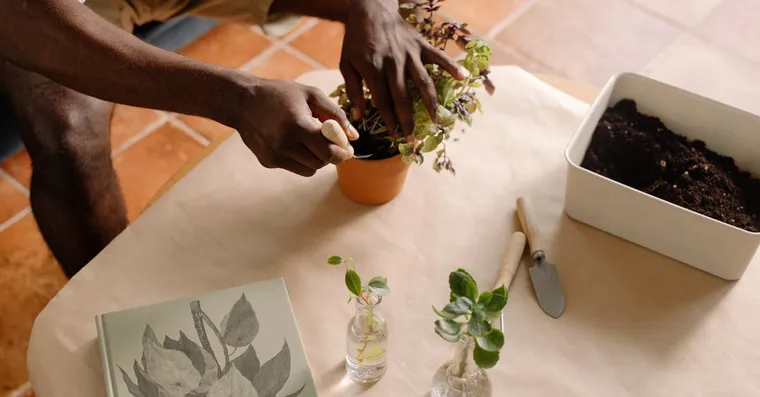
How to Repot a Houseplant Without Killing It
Repotting stresses a plant, but done right it sets up years of healthy growth. Go up one pot size only and repot in spring for the safest result.
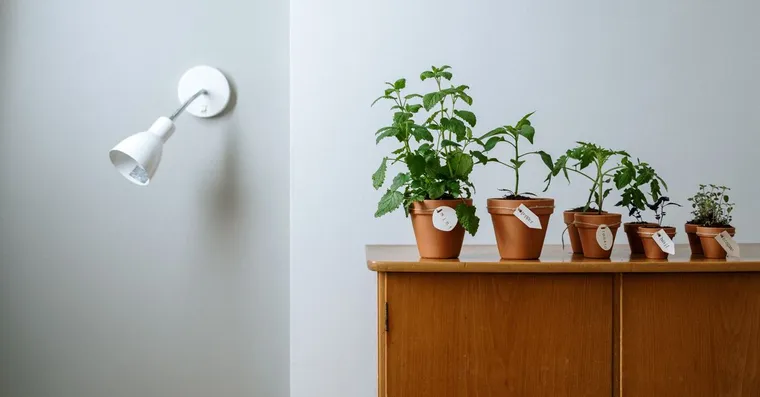
Best pots and planters for houseplants
A buying guide to pots for indoor plants: terracotta versus plastic versus ceramic, why drainage holes matter, and how to size a pot for healthy roots.
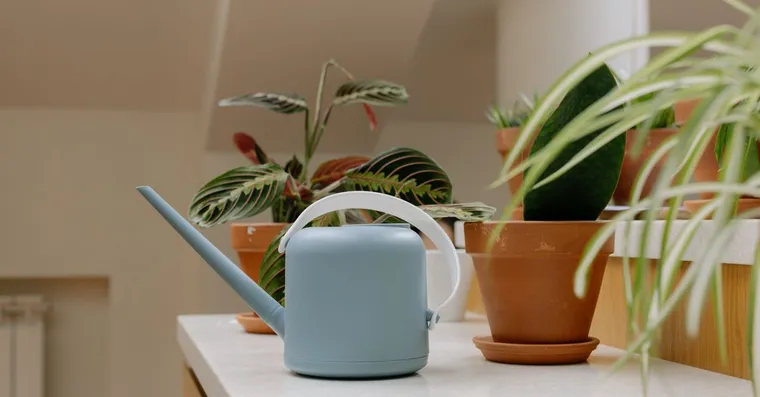
Best self watering pots and planters
Are self watering pots worth it? A buying guide covering how the wicking reservoir works, which plants love them, and which plants they will quietly rot.
Not sure what plant you have? Identify it from a photo and we will point you at its care guide.