Best self watering pots and planters
Are self watering pots worth it? A buying guide covering how the wicking reservoir works, which plants love them, and which plants they will quietly rot.
Some links in this guide go to Amazon. As an Amazon Associate we earn from qualifying purchases, at no extra cost to you. How this works.
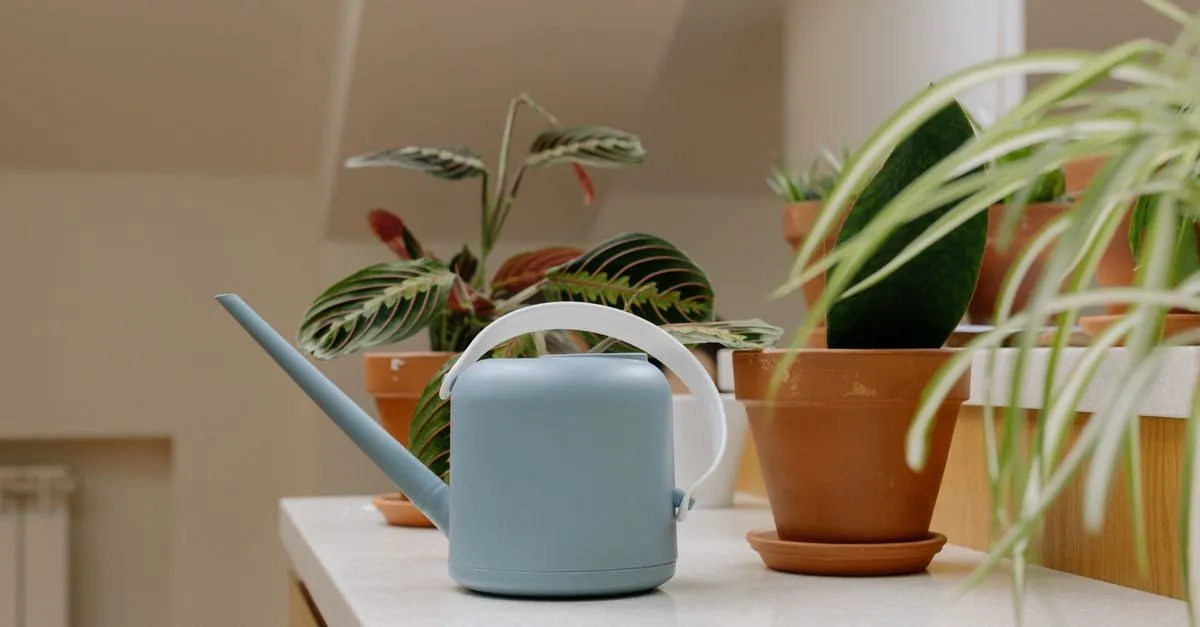
The best self watering pots are the ones matched to a plant that genuinely wants constant moisture, not a clever gadget that takes watering off your hands entirely. They cut your watering from twice a week to once every two weeks by holding water in a base reservoir the roots draw from. Put the wrong plant in one, though, and you are growing root rot on a timer.
How a self watering pot actually works
A self watering pot is two containers in one. An inner pot holds the plant and soil, and it sits above a reservoir built into the base. Water in the reservoir wicks up through the soil, or through a fabric wick, so the plant pulls moisture as it needs it rather than getting a flood followed by a drought. You top up the reservoir every week or two and glance at the level indicator instead of watering little and often. The soil stays evenly damp, which is exactly what some plants want and exactly what others cannot survive.
Who the best self watering pots suit
Ranked from the clearest fit downwards:
Thirsty, moisture loving plants. This is where these pots earn their place. A peace lily, most ferns, and a calathea all want soil that never dries out fully, and a reservoir delivers that far more steadily than you can by hand.
People who travel or forget to water. If you are away often, or simply lose track, a full reservoir buys two weeks of even moisture instead of a parched plant waiting for you.
Anyone with a large collection. When watering is a weekly slog across many plants, self watering pots let you water less often and more evenly.
Who should skip them
Succulents and cacti. These need their roots to dry out completely between drinks. Sat in a constantly wet reservoir they rot slowly and invisibly, until the plant suddenly collapses.
Snake plants, ZZ plants, and other dry lovers. Same outcome. Constant moisture is the one thing that reliably kills them, so a reservoir works against you.
The rule is simple: if a plant’s care advice tells you to let the soil dry out, a self watering pot is the wrong home for it, and you are inviting root rot.
Match the pot to the plant’s thirst, not the plant to the pot.
What to look for when buying one
A clear water level indicator. Without one you are guessing, and guessing defeats the point. A visible float or window tells you when to refill and, just as usefully, when to leave it alone.
A reservoir sized to the pot. A large planter with a token reservoir empties in days. The reservoir should hold enough to last a week or two for the plant it is built for.
A proper overflow, or a way to flush salts. You need somewhere for excess water to escape so the roots never sit fully submerged, and so you can rinse the soil through.
An inner pot you can lift out. Being able to remove the plant makes refilling, flushing, and checking the roots far easier, and it tells you the design was thought through.
For the wider question of size, material, and drainage, see choosing the right pot and the full pots and planters buying guide.
Bedding in and flushing the soil
Water from the top at first. For the first few weeks, water from the top as you normally would. The roots are still short and have not reached the reservoir, so it does nothing until they grow down into it. Keep top watering until the plant is clearly drinking from the base, then switch to filling the reservoir. The self watering how to guide walks through this changeover.
Flush the soil now and then. Because water travels upwards and evaporates rather than draining away, minerals from tap water and fertilizer build up in the soil. Every couple of months, water heavily from the top until it runs out of the overflow, washing the salts through.
What they will not do
Self watering pots reduce how often you water. They do not make a plant care free. You still need to watch light, feeding, pests, and the reservoir level, and you still have to flush the soil. The wrong plant in one is not a quick death but a slow, quiet root rot you may not notice until it is too late. And the effect is not magic: you can mimic it cheaply with a cotton wick run from the drainage hole into a reservoir of water below the pot. A good watering can for houseplants still earns its place in any collection, since not every plant will suit a reservoir setup.
Start with one thirsty plant
If this is your first self watering pot, put a peace lily or a fern in it rather than experimenting on a succulent you cannot afford to lose. Give it a couple of months and watch how often the reservoir actually empties, because that tells you whether the pot fits your watering habits before you commit a whole shelf to them. Get that match right once and the rest of the decision, size and material and indicator, becomes easy.
Where to go next
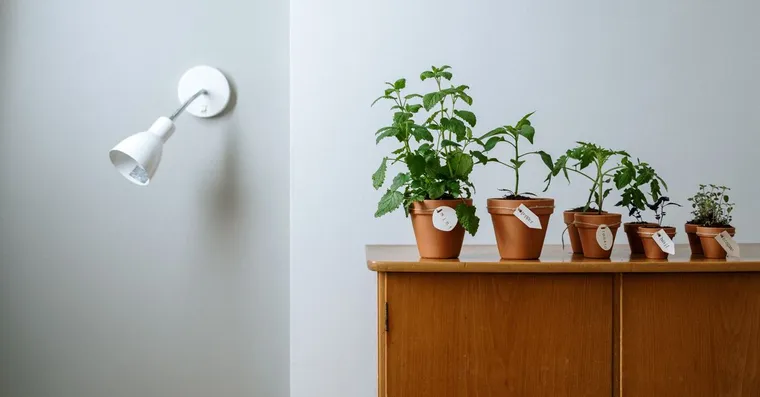
Best pots and planters for houseplants
A buying guide to pots for indoor plants: terracotta versus plastic versus ceramic, why drainage holes matter, and how to size a pot for healthy roots.
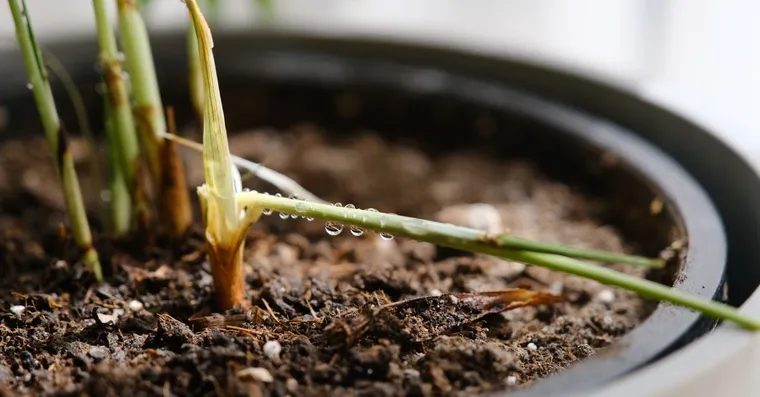
Best soil moisture meters for houseplants
Are moisture meters worth it? A buying guide to soil moisture meters for indoor plants, what the cheap ones get wrong, and how to use one without being misled.
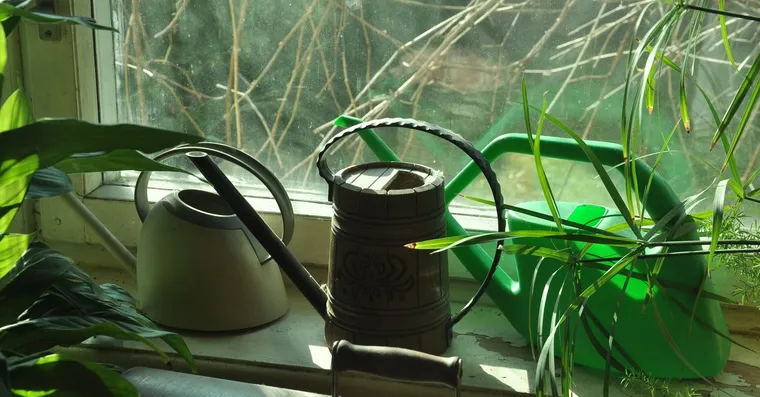
Best watering cans for houseplants
Choosing an indoor watering can: why a long narrow spout matters, what size to get, and the features that are worth paying for versus marketing.
Not sure what plant you have? Identify it from a photo and we will point you at its care guide.