Best watering cans for houseplants
Choosing an indoor watering can: why a long narrow spout matters, what size to get, and the features that are worth paying for versus marketing.
Some links in this guide go to Amazon. As an Amazon Associate we earn from qualifying purchases, at no extra cost to you. How this works.
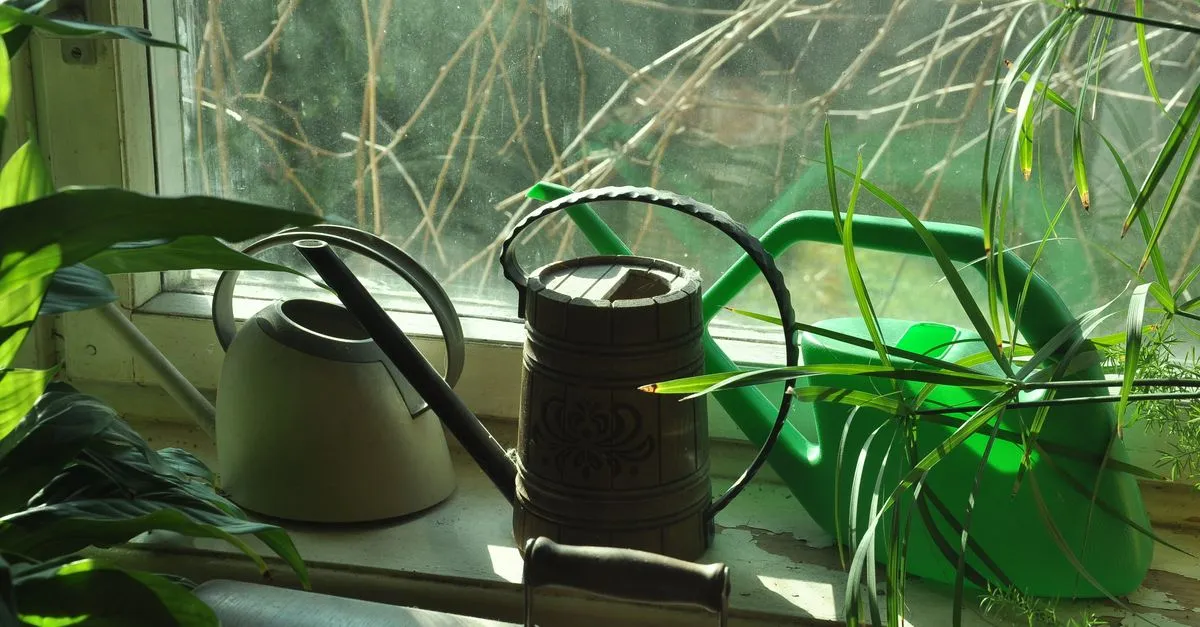
The honest answer is that the best watering can for houseplants is a small one with a long, narrow spout, and it does not need to be expensive. Indoor watering is a precision job, not a volume job: you are pouring at the soil of a plant on a shelf, not soaking a flower bed. Once you understand that, the choice gets simple.
Why an indoor can is different from a garden one
A garden watering can is built to move a lot of water quickly, usually through a wide spout or a sprinkler rose. Indoors you want the opposite. You are reaching past leaves, around furniture, and into pots that sit close together, and you want the water to land on the soil rather than the foliage, the windowsill, or the wall behind the shelf.
That points to two features above all others: a long, narrow spout for accuracy, and a capacity you can lift comfortably when the can is full. A garden can holding a gallon or more (several L) becomes heavy and clumsy when you are trying to dribble water into a small pot at arm’s length.
What to look for, in order of importance
Spout length and precision. This matters most. A long, thin spout lets you slip under drooping leaves and pour straight at the roots without wetting the plant. Wet leaves are not a disaster, but constant splashing can spread disease and leave marks. A precise spout also means less water on your shelves and floor.
A balanced handle. Pick a can you can tip with control using one hand. Many houseplant cans have a high, looped handle that lets you pour at a steep angle into a tall plant. The can should feel balanced full, not nose-heavy.
Capacity that matches your collection. For a handful of plants, 1 to 2 pints (0.5 to 1 L) is plenty, and a smaller can means fewer trips to the tap feel worth it because each pour is easy. If you keep dozens of plants, size up to save refills, but accept the extra weight. Buying one enormous can for a small collection just gives you a heavy, hard-to-aim tool.
Material. Metal cans, usually powder-coated steel, look good on a shelf and last for years. Plastic is lighter, cheaper, and perfectly functional. Neither waters your plants any better than the other, so choose on weight, looks, and budget.
The best watering can for houseplants for most people
For most indoor growers, a narrow-spouted bottle-style can in the 1 to 2 pint range is the sweet spot. These tall, slim cans were designed for exactly this job: the long swan-neck spout reaches into crowded shelves, and the modest capacity keeps the can light and easy to aim. They are widely sold, and a plain one costs a fraction of the designer versions while doing the identical job.
A small squeeze bottle is worth having too. For tiny pots, terrariums, or plants wedged into awkward corners, a squeeze bottle gives you drop-by-drop control that no can can match. And when a plant is genuinely large, a long spout still beats a big garden can, because you keep the accuracy without hauling a heavy, wide vessel through the house.
Buy for your reach and your wrist, not for the size of your biggest plant.
Skip the rose head for mature plants
Many cans come with a removable rose or sprinkler head. That is for seedlings and freshly sown trays, where a gentle shower settles fine soil without washing seeds about. Mature houseplants do not want a sprinkle over their leaves; they want water delivered to the soil. Leave the rose in a drawer and use the bare spout.
Honest caveats before you buy
The can is a delivery tool, nothing more. It does not change how much water a plant needs or how often, which depends on the plant, the pot, and the light. For that, see how to water houseplants. A cheap long-spout can waters exactly as well as an expensive enamel one, so spend on looks only if you want to. And if you prefer bottom watering, you need no special can at all: any vessel that fills a tray or sink will do.
Start small, then add a squeeze bottle if you need one
The mistake to avoid is buying a large can because it looks impressive: a heavy, wide vessel makes every pour clumsy and quietly puts you off watering at all. Get a 1 to 2 pint long-spout can first, live with it for a few weeks, and only add a squeeze bottle once you actually find yourself struggling to reach tiny pots or terrariums. Buy in that order and you spend less, water more accurately, and never end up with a tool that fights your wrist.
Where to go next
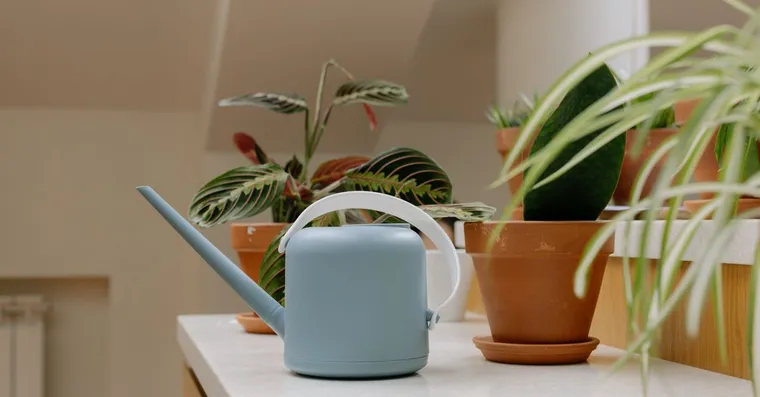
Best self watering pots and planters
Are self watering pots worth it? A buying guide covering how the wicking reservoir works, which plants love them, and which plants they will quietly rot.
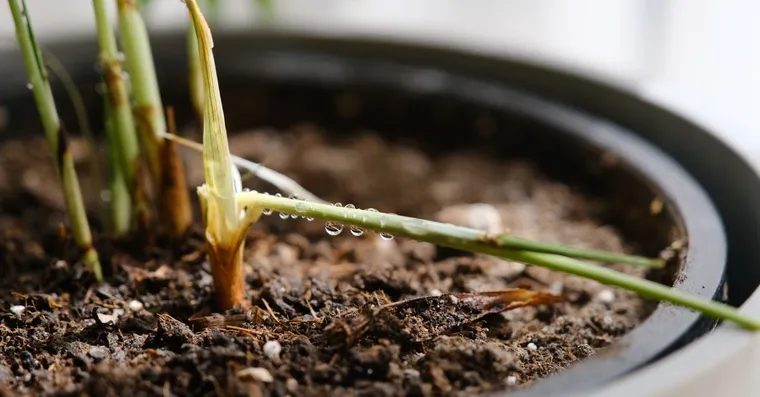
Best soil moisture meters for houseplants
Are moisture meters worth it? A buying guide to soil moisture meters for indoor plants, what the cheap ones get wrong, and how to use one without being misled.
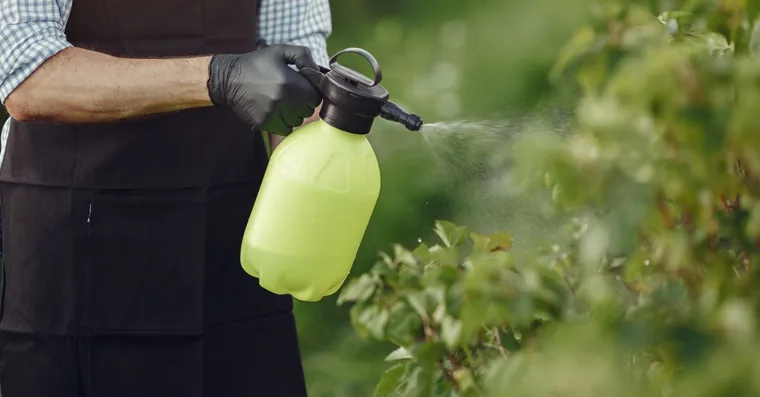
Best fertilizer for houseplants
A buying guide to houseplant fertilizer: liquid versus slow release versus organic, what the NPK numbers mean for indoor plants, and how often to feed.
Not sure what plant you have? Identify it from a photo and we will point you at its care guide.