Best fertilizer for houseplants
A buying guide to houseplant fertilizer: liquid versus slow release versus organic, what the NPK numbers mean for indoor plants, and how often to feed.
Some links in this guide go to Amazon. As an Amazon Associate we earn from qualifying purchases, at no extra cost to you. How this works.
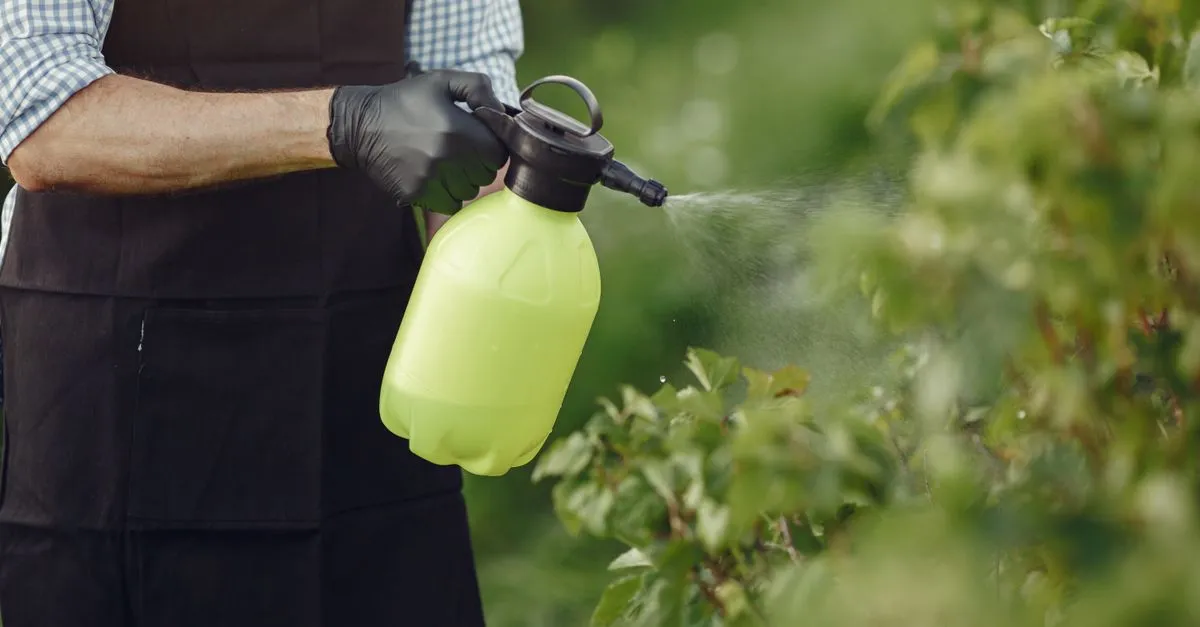
Most houseplants need far less feeding than people expect, so the best fertilizer for houseplants is rarely the strongest one on the shelf. It is the right product, used lightly, during the months your plant is actually growing. Overfeeding burns roots and scorches leaf tips, so the goal is restraint, not strength.
Which form to buy
For most people, a single balanced liquid feed covers nearly everything on the windowsill. The table below maps each format to what you actually get for your money.
| Format | Upfront cost | Cost per feed (approx.) | Control | Best fit |
|---|---|---|---|---|
| Liquid concentrate | Low to mid | 10 to 40 cents per gallon | Full | 1 to 5 plants, beginners |
| Ready-to-use liquid | Mid to high | 15 to 30 cents per application | Full | Convenience buyers |
| Slow-release granules | Low to mid | Very low | None once applied | 6-plus plants, travelers |
| Organic (worm castings, seaweed) | Mid | Low | Partial | Beginners, low-demand plants |
Liquid concentrate is the flexible default. You dilute a measured dose into your watering can and apply it through the growing season. Full control over strength and timing.
Ready-to-use liquid bottles are pre-diluted concentrate. You pay a markup of roughly 3 to 4 times the equivalent concentrate price for the convenience of skipping the measuring. You are paying for water.
Slow-release pellets or coated granules release nutrients gradually over several months, which suits large collections or anyone who forgets to feed. The trade-off is irreversibility: once the pellets are in, you cannot remove them if a plant starts to struggle. They are the hardest format to correct.
Organic options like worm castings and seaweed extract are very mild and extremely hard to overdo. Well suited to nervous beginners and low-demand plants; less suited to fast-growing, hungry specimens.
Reading the label in-shop
Three things to check before you put a bottle in the basket.
Dilution rate. Look for the dose per gallon (or milliliters per liter). A product listing about 4 teaspoons per gallon (5 ml per liter) and one listing about 1.5 teaspoons per gallon (2 ml per liter) are not equally strong; they are sized differently. The label dilution rate tells you how many feeds a bottle actually yields.
Concentrate or ready-to-use. The pack will say one or the other. If it is not obvious, check whether there are dilution instructions. No dilution instructions means it is ready-to-use, which means you are paying the per-application premium.
Balanced at a glance. A balanced feed has three NPK numbers that are roughly similar. If no single number is more than about double another (for example, 10-5-10 is fine; 30-5-5 is nitrogen-heavy), it works for general foliage. Balanced foliage feeds typically run 5-5-5 to 15-15-15. Nitrogen-forward feeds run roughly 20-10-10. Orchid bloom feeds often read 30-10-10 or similar, and those are legitimate needs for bark-based mixes, not mere upsells. What N, P, and K each mean is covered in understanding houseplant fertilizer NPK. If you are choosing between two popular options on the shelf, Osmocote vs Miracle-Gro walks through the practical differences for indoor use.
How much concentrate actually lasts
A 500ml bottle used at about 4 teaspoons per gallon (5 ml per liter) gives you 26.5 gallons (100 L) of feed. Fed every two weeks across a six-month growing season (spring through early autumn), that is roughly 13 feeds. One bottle covers most windowsills for a full season. Budget concentrates at the 10-to-40-cents-per-gallon end of the range are hard to beat on value; the premium is in the ready-to-use format, not in the nutrients themselves.
Salt build-up and the flush fix
Overfeeding leaves a white powdery crust on the soil surface or around the pot rim. That crust is excess mineral salt. The fix is a plain-water flush, not more fertilizer.
Pour enough plain water through the pot to drain freely from the base, let it drain fully, then repeat once. This washes out accumulated salts without stressing the plant further.
If you are already seeing tip burn or crust while feeding every two weeks at the recommended dose, halve the frequency before you halve the dose. Going from every two weeks to monthly is a gentler correction than going from full strength to half strength while keeping the same schedule.
For the full picture on soil crust and what causes it, see the guide to white crust on houseplant soil.
When it comes to feeding houseplants, too little is a minor setback and too much is an emergency.
What fertilizer will not do
It will not fix a sick plant. Yellow leaves, drooping, or rot are usually about light, water, or roots, not hunger. Feeding a struggling plant often makes things worse, because damaged roots cannot handle the extra salts. Diagnose the real problem first.
A fresh repot does not need feeding. A good potting mix already contains nutrients, often enough for several weeks. Adding fertilizer on top of fresh compost is a common way to overdo it. Wait six to eight weeks after repotting before you start feeding again. If you are building out your plant care kit, propagation stations pair well with a liquid feed because cuttings rooted in water need dilute nutrients once roots establish.
For technique, amounts, and a step-by-step seasonal routine, see how to fertilize houseplants.
Start with one balanced bottle
Buy a single balanced liquid concentrate and a measuring spoon before you buy anything specialist, and feed at half the label rate until you learn how your own plants respond. The mistake to avoid is stocking up on several feeds or reaching for the strongest one, when most windowsill plants want less than any label suggests. As the light fades into autumn, ease off rather than topping up, because a plant slowing down for winter cannot use what you give it.
Where to go next
Osmocote vs Miracle-Gro for Houseplants: Which Fertilizer to Use
How slow-release Osmocote and fast-acting Miracle-Gro differ, which one suits your plants and habits, and how to feed without burning the roots.

Best grow lights for indoor plants
A practical buying guide to grow lights for houseplants: which type to choose, what the specs actually mean, and when you do not need one at all.
Best humidifiers for houseplants
Do your plants need a humidifier, and if so which one? A buying guide covering cool mist versus warm mist, room size, and when a humidifier beats misting.
Not sure what plant you have? Identify it from a photo and we will point you at its care guide.
Frequently asked questions
Is liquid or slow-release fertilizer better for houseplants?
Liquid concentrate gives you full control over strength and timing, which makes it better for most houseplants because you can stop feeding the moment a plant looks stressed. Slow-release granules suit travelers or large collections where dosing every two weeks is impractical, but once they are in the soil you cannot dial them back if something goes wrong.
How long does a bottle of liquid fertilizer last?
A 500ml bottle used at a typical dilution of about 4 teaspoons per gallon (5 ml per liter) yields 26.5 gallons (100 L) of feed. Fed every two weeks across a six-month growing season, that works out to roughly 13 feeds. One bottle comfortably covers most windowsill collections for a full season.
Can I use outdoor fertilizer on houseplants?
Technically yes, but outdoor feeds are usually formulated for soil microbe activity and larger root volumes, so the concentrations can be too high for pots. A diluted outdoor fertilizer will not poison your plant, but a product sized for houseplants is easier to dose accurately and less likely to cause salt build-up.