What the NPK Numbers on Houseplant Fertilizer Mean
What the three NPK numbers on a fertilizer label stand for, which ratio suits houseplants, and why a balanced feed is usually all you need.
Some links in this guide go to Amazon. As an Amazon Associate we earn from qualifying purchases, at no extra cost to you. How this works.
The three numbers on a bag of plant food, something like 10-10-10 or 3-1-2, are the only part of the label that really matters, and they are simpler than the packaging makes them look. Once you can read the NPK numbers on houseplant fertilizer, you will see that most “specialist” feeds are the same thing in different bottles. Here is what each number means, and how little of it you actually need to worry about.
What the NPK numbers on houseplant fertilizer stand for
NPK is the ratio of three nutrients, always listed in the same order as percentages by weight.
- N is nitrogen, and it drives leafy, green growth. This is the nutrient foliage houseplants use most, since you are growing them for their leaves.
- P is phosphorus, and it supports roots, flowers, and fruit. Plants need far less of it than the bold “bloom booster” marketing suggests.
- K is potassium, and it supports general health: water regulation, stem strength, and resistance to stress.
So a feed labeled 10-10-10 holds ten percent of each by weight. A 3-1-2 feed holds three parts nitrogen to one part phosphorus to two parts potassium. The rest of the container is filler and carrier, which is entirely normal.
Reading a ratio: 10-10-10 versus 3-1-2
The numbers tell you the balance, not the strength.
- A balanced ratio like 10-10-10 or 20-20-20 gives equal parts of all three. It is a safe, do-everything choice.
- A nitrogen-led ratio like 3-1-2 or 9-3-6 leans towards leaf growth. This matches what most foliage plants actually want, and it mirrors the proportions plants take up naturally.
- A high-phosphorus ratio like 10-30-20 is sold to force flowers. It helps a genuinely flowering plant a little, and does nothing useful for a pothos or a fern.
Two feeds with the same ratio can still differ in strength. A 20-20-20 is simply a more concentrated 10-10-10, so you dilute it more heavily. The ratio decides what the plant gets; the dilution decides how much.
What to feed most houseplants
For the leafy plants that make up most collections, the choice is easy.
- Most foliage houseplants do best on a balanced or slightly nitrogen-led feed: anything from 10-10-10 to 3-1-2 is fine. Pothos, monstera, philodendron, snake plants, and ferns all sit here.
- Flowering plants are the only real exception. African violets, orchids, and the like benefit from relatively more phosphorus while they are budding. Even then, a balanced feed still works.
- One bottle covers it. A single balanced houseplant fertilizer, diluted properly, keeps almost every plant in your home healthy. You do not need a shelf of separate products.
For when and how much to apply, see our guide on how to fertilize houseplants.
Specialist feeds are mostly marketing
This is where the honest reality matters. “Monstera food”, “orchid bloom booster”, “succulent formula”, and similar products are largely a way to sell the same basic nutrients at a premium. The differences between them are usually small tweaks to the ratio that make almost no visible difference at home. A plant cannot tell whether its nitrogen came from a bottle with a monstera on the front. If you are deciding between a slow-release granule and a liquid feed, Osmocote vs Miracle-Gro for houseplants works through that specific comparison.
One good balanced fertilizer used carefully beats five specialist feeds used carelessly.
Over-feeding does more harm than the wrong ratio
If you take one thing from this, take this: far more houseplants are damaged by too much fertilizer than by the wrong NPK ratio. Excess feed builds up as mineral salts in the soil, and those salts pull water away from the roots and scorch them. The signs are brown, crispy leaf tips and edges, often alongside a white crust on the soil surface or around the pot rim.
The fix is restraint. Dilute to half the strength on the label, feed only during active growth in spring and summer, and flush the soil with plain water every so often. If you already see that telltale buildup, our guide to the white crust on houseplant soil covers how to clear it.
What to check next time you buy plant food
Before you pay extra for anything with a plant name on the front, turn the bottle over and read the three numbers: if it is a balanced or nitrogen-led ratio, it does the same job as the feed you probably already own. The mistake to avoid is reading a higher set of numbers as permission to feed more often, since concentration only changes how much you dilute, not how frequently your plants want feeding. Settle on one balanced feed at half strength and the label has nothing left to teach you.
Where to go next
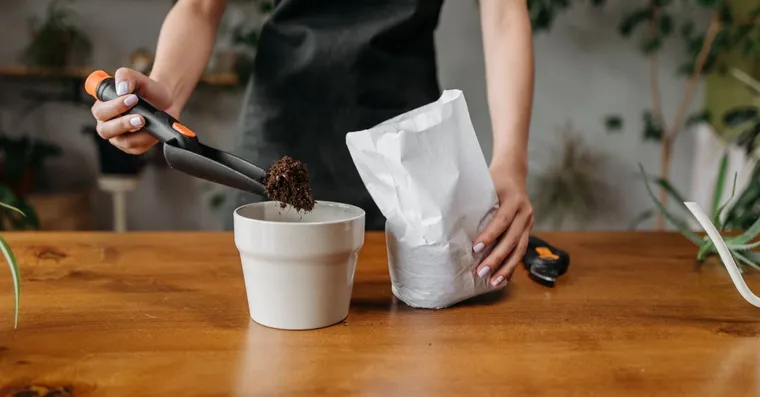
Osmocote vs Miracle-Gro for Houseplants: Which Fertilizer to Use
How slow-release Osmocote and fast-acting Miracle-Gro differ, which one suits your plants and habits, and how to feed without burning the roots.

Asparagus Fern Care: Not a Fern, and It Has Thorns
Asparagus fern is not a fern, it is toxic to cats and dogs, and mature stems carry spines. Here is how to grow it and what to know first.
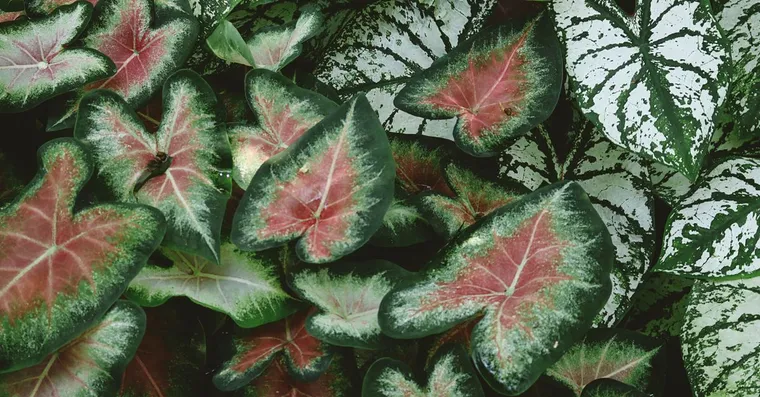
Caladium Care: Bright Leaves, Winter Dormancy, and Toxic Sap
Caladiums die back every winter and that is normal, not failure. Here is how to grow the tubers indoors and why they need care around pets.
Not sure what plant you have? Identify it from a photo and we will point you at its care guide.