Osmocote vs Miracle-Gro for Houseplants: Which Fertilizer to Use
How slow-release Osmocote and fast-acting Miracle-Gro differ, which one suits your plants and habits, and how to feed without burning the roots.
Some links in this guide go to Amazon. As an Amazon Associate we earn from qualifying purchases, at no extra cost to you. How this works.
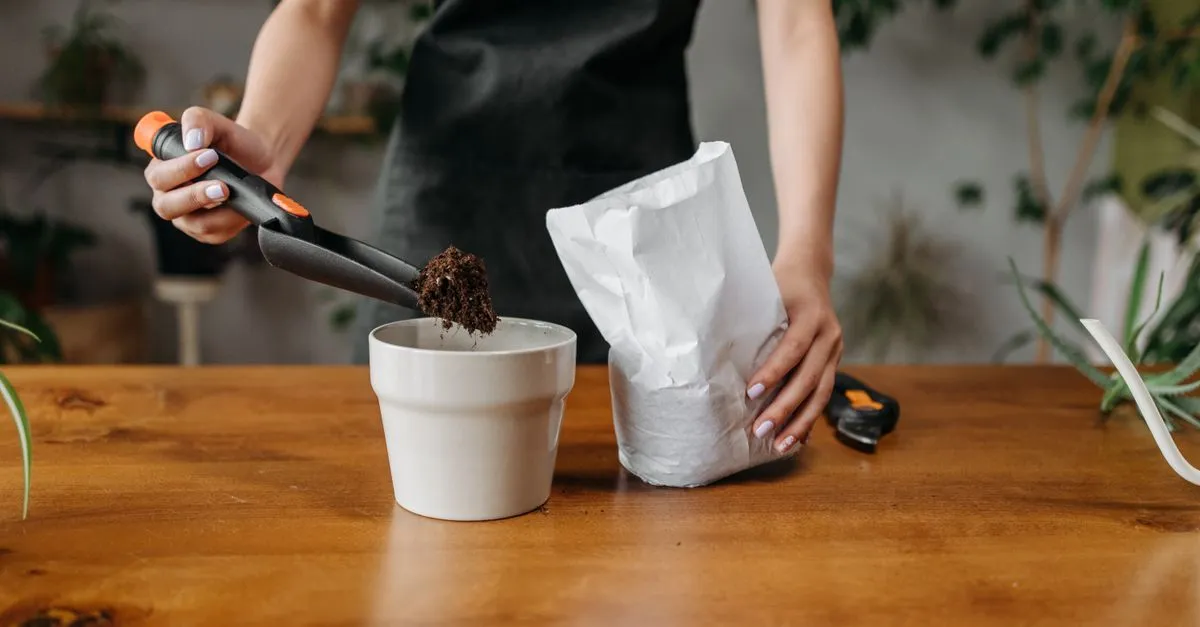
Osmocote and Miracle-Gro are two of the most common houseplant fertilizers, and they suit opposite kinds of grower. Osmocote is a slow-release pellet you scatter once and forget for months. Miracle-Gro is a fast-acting feed you mix and apply often, with full control over the dose. Which is better depends less on the brand and more on how hands-on you want to be.
Quick answer
Choose Osmocote if you want to feed once and forget it, or you have a lot of plants and tend to skip feeding. Choose a Miracle-Gro style liquid feed if you have a few plants, want control over the dose, or need to correct a hungry plant quickly. Both deliver the same nutrients; they just release them differently.
How each one works
The difference is all in the timing of the feed.
Osmocote, the slow-release option. Coated pellets release nutrients gradually as warmth and moisture break the coating down, typically over several months. You mix them into the topsoil once and the plant draws a small steady supply with each watering. They release faster in warm rooms and slower in cool ones.
Miracle-Gro, the fast-acting option. A soluble feed, either a liquid concentrate or water-soluble crystals, that dissolves in your watering can and is available to the roots straight away. You dose it yourself, usually every one to four weeks in the growing season, so you control exactly how much and when.
Which to use
The right pick depends on how many plants you keep and how much you want to think about feeding.
| Your situation | Better choice | Why |
|---|---|---|
| Lots of plants, or you forget to feed | Osmocote | One application lasts months, with no schedule to keep |
| A few plants and you want control | Miracle-Gro liquid | Adjust the dose per plant and skip a feed easily |
| A hungry plant needs a quick fix | Miracle-Gro liquid | Nutrients reach the roots within days, not weeks |
| Succulents and slow growers | Either, at half strength | Both feed lightly; dilute the liquid or use less Osmocote |
| Hands-off, low effort overall | Osmocote | Scatter in spring and largely ignore until autumn |
For the wider buying picture across feed types, see our guide to the best fertilizer for houseplants.
NPK, burn risk, and cost
Both carry the same three main nutrients, nitrogen, phosphorus, and potassium, shown as the NPK ratio on the label. If those numbers are new to you, our guide to houseplant fertilizer and NPK breaks them down.
Burn risk. Fast feeds are easier to overdo. Mix a liquid feed stronger than the label says, or feed a dry plant, and you can scorch the roots and brown the leaf tips. Osmocote is gentler because it meters itself out, though a heavy handful in a small pot can still over-feed.
Cost. Slow-release pellets cost more per bag but less per plant over a season, because one application lasts. Liquid feed is cheaper upfront and you decide how far it stretches. For a windowsill of a few plants the difference is small; for a large collection, slow-release usually wins on both effort and cost.
Can you use both?
Yes, and many growers do. A common setup is Osmocote as a steady baseline in the pot, with an occasional weak liquid feed during the heaviest growth in spring and summer. The one rule is not to double up to the point of over-feeding: if you top-dress with slow-release pellets, keep any liquid feeds light and infrequent.
Feed during active growth and ease off in winter. Most houseplants barely grow in the cold and dark, so a winter feed mostly builds up unused salts in the soil.
What to buy
You only need one to start. For a feed-and-forget routine, a tub of slow-release fertilizer scattered in spring covers most plants into autumn. For control and quick fixes, a balanced liquid feed diluted through the growing season is all most collections need. Whichever you choose, feed during active growth and stop in winter.
Which feed suits your routine
Osmocote is the low-effort, feed-once option that suits busy owners and big collections. Miracle-Gro style liquid feed is the high-control option for a few plants or a quick correction. They deliver the same nutrients, so match the method to your habits, feed only in the growing season, and never feed a bone-dry plant. Used sensibly, either one keeps a houseplant well fed without burning it.
Where to go next

Best fertilizer for houseplants
A buying guide to houseplant fertilizer: liquid versus slow release versus organic, what the NPK numbers mean for indoor plants, and how often to feed.

What the NPK Numbers on Houseplant Fertilizer Mean
What the three NPK numbers on a fertilizer label stand for, which ratio suits houseplants, and why a balanced feed is usually all you need.

Asparagus Fern Care: Not a Fern, and It Has Thorns
Asparagus fern is not a fern, it is toxic to cats and dogs, and mature stems carry spines. Here is how to grow it and what to know first.
Not sure what plant you have? Identify it from a photo and we will point you at its care guide.
Frequently asked questions
Can I use Osmocote and Miracle-Gro together?
Yes. A common approach is slow-release Osmocote as a baseline in the pot, plus an occasional weak liquid feed during peak growth. Keep both light so you do not over-feed, and never feed a dry plant.
Which is safer for beginners?
Slow-release pellets like Osmocote are more forgiving because they meter nutrients out gradually, so there is less chance of burning roots. A liquid feed is easy too, as long as you follow the label dilution rather than guessing.
How often do I reapply Osmocote?
Most slow-release feeds last around four to six months, so a single application in spring usually carries a houseplant through to autumn. Check the pack, because the exact duration varies by product and is shorter in warm rooms.
Is Miracle-Gro bad for houseplants?
No. Used at the right dilution it is a perfectly good feed. Problems come from over-applying it, feeding too often, or feeding a dry or dormant plant, all of which can scorch roots and brown leaf tips.