Best grow lights for indoor plants
A practical buying guide to grow lights for houseplants: which type to choose, what the specs actually mean, and when you do not need one at all.
Some links in this guide go to Amazon. As an Amazon Associate we earn from qualifying purchases, at no extra cost to you. How this works.
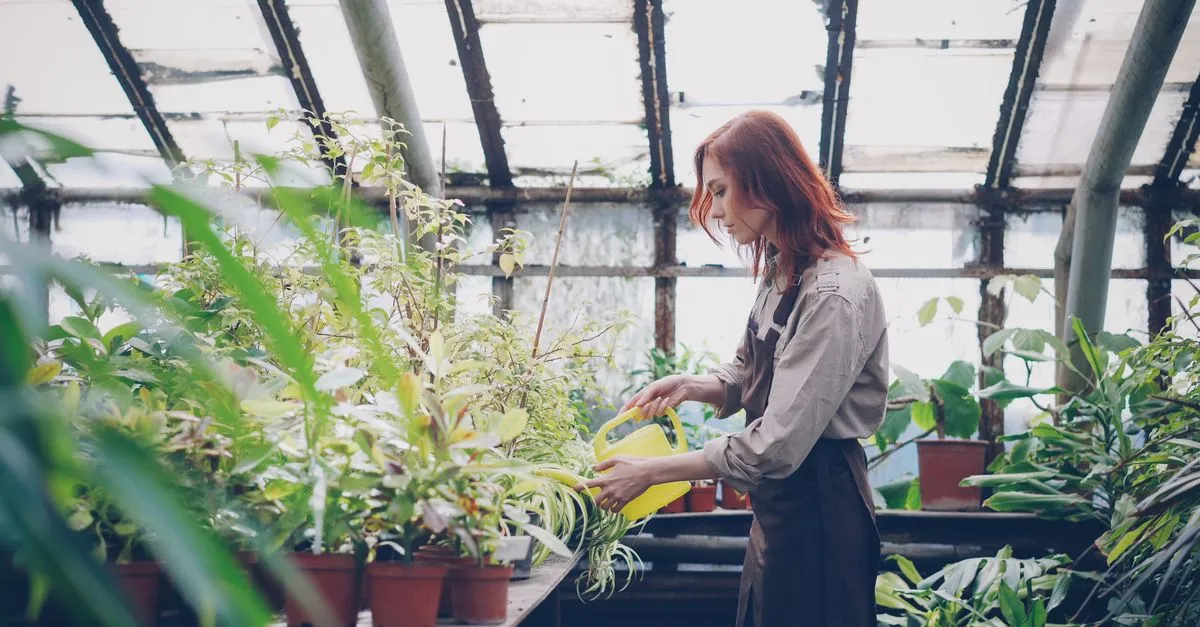
Most houseplants that look sad in winter do not need a gadget, they need a brighter window. So before you shop for the best grow lights for indoor plants, move the plant to your sunniest spot and watch it for two weeks. If that genuinely is not possible, because the room is dark or the plant is fussy, then a light is worth it, and the good news is the useful ones are cheaper and simpler than the marketing suggests.
Do you actually need a grow light?
A grow light earns its place in three situations: a room with no bright window, a light-hungry plant that keeps stretching and going leggy, or a propagation and seedling setup where you want steady growth. If your plant is simply growing slowly in winter, that is often normal seasonal dormancy, not a lighting emergency. Work out how much light the plant truly wants first, because how much light your houseplant actually needs decides everything else.
Measure your light for free with your phone
Before you spend anything, find out how dark the spot really is. A free lux meter app on your phone gives you a usable rough reading: bright indirect light sits around 10,000 to 20,000 lux, while a corner that looks fine to your eye is often under 1,000 lux, because your eyes adjust and the meter does not. Hold the phone where the leaves are, facing the main light source, around midday. If you are already over 10,000 lux, a foliage plant rarely needs a light at all. Two honest caveats: phone sensors are approximate and vary between handsets, and lux is not PPFD, so treat the number as a ballpark for “is this spot dark”, not a growth measurement.
The main types, ranked by how most people use them
Clip-on and gooseneck lamps. For one or two plants on a desk or windowsill, this is the obvious buy. You clamp it to a shelf, bend the neck over the plant, and most include a built-in timer. Cheap, flexible, no rewiring.
Bulbs that fit a normal lamp socket. A full spectrum grow bulb screwed into a lamp or pendant you already own is the tidiest option for a single feature plant. It blends into the room and runs off your existing fitting.
Panels and bars. For a shelf of plants or a plant wall, a flat panel or a row of linkable bars covers a wide area evenly. These cost more and need mounting, but nothing else lights a whole shelf properly.
What you can expect to pay
A buying guide that never mentions price is half a guide. As a rough 2026 street-price guide in the US: a clip-on gooseneck lamp runs about $20 to $40, a screw-in full spectrum bulb about $15 to $30, a flat panel about $50 to $90, and linkable LED bars about $25 to $60 per bar. The trap is the bargain end. A light priced far below these usually gets there by being underpowered, so it lights the room without giving the plant enough usable intensity. Treat a suspiciously cheap “full spectrum” light as decorative until the wattage proves otherwise.
The specs that matter, and the ones that do not
Full spectrum. Buy this and ignore most other claims. It means the light covers the range plants use, and it looks like ordinary daylight in the room.
PAR or PPFD, not lumens. Lumens measure brightness for human eyes. PAR and PPFD measure the light plants can actually use, so a higher PPFD at the plant’s height matters more than a big lumen number. For foliage houseplants you are aiming for roughly 100 to 300 PPFD at the leaf, which is comfortably below what seedlings or fruiting plants demand.
Color temperature. Around 4000K to 6500K reads as clean white daylight and suits most foliage plants. It is a comfort and appearance choice as much as a growth one.
A timer. Plants need consistent day length, and you will forget. A built-in or plug-in timer is the single feature that makes a grow light reliable.
Wattage claims like “equivalent to 1000W” are marketing noise, and so are exotic color ratios printed on the box. Specsmanship sells lights, but full spectrum plus enough PPFD at the right distance is the whole game.
Blurple versus plain white
Cheap purple lights, the blurple ones, do work. They combine red and blue diodes, which plants use heavily, but plants use the whole spectrum, so the pink-purple glow is a hobbyist novelty rather than a requirement. It also bathes the room in an unpleasant purple light and makes it impossible to spot a yellowing leaf or a pest. A plain white full spectrum light costs a little more, grows plants just as well, and lets you actually see the plant.
This is where day-to-day growing decides it. The overhead lights on Lucy Liu’s London nursery floor are plain bright white, closer to a grocery store than to anything sold online as a plant light. The reason is practical, not aesthetic: under purple light all day you cannot read a plant’s condition, and catching pests or the first faint yellowing of a leaf early is most of the job. Clean white light keeps the plants healthy and lets a grower actually see what is going wrong.
The numbers explain why plain white wins on more than looks. Many novelty blurple bulbs draw only 5 to 9 actual watts, which is too little to push a plant past leggy, no matter how intense the purple looks. A useful white panel pulls a real 15 to 30 watts and delivers usable intensity across a shelf. Buy on actual wattage and PPFD, not on the color of the glow.
Buy the light you can stand to look at every day, because the one you switch off helps nothing.
How high to hang it and how long to run it
Hang most LED lights about 6 to 12 inches (15 to 30 cm) above the foliage. Too close can scorch, too far does little, so if growth stays leggy, lower the light before buying a stronger one. Run it 8 to 12 hours a day for foliage houseplants, and up to 14 to 16 for seedlings. More than that does not help. A plant under a new strong light may also dry out faster, so check the soil more often and adjust your watering.
What it costs to run
Running cost is small but worth knowing before you buy. A typical 20 to 30 watt panel run for 12 hours a day uses about 0.24 to 0.36 kWh per day. At the US average near 19 cents per kWh, that is roughly 5 to 7 cents a day, or about $1.35 to $2.05 a month. A small clip-on bulb costs even less. Check your own utility rate, since rates vary and a higher unit price scales the figure up, but for a single plant or shelf this is firmly in pennies-a-day territory rather than a bill you will notice.
What to buy for your situation
A single plant on a desk: a clip-on gooseneck lamp with a timer. Easy to aim, easy to move.
A low light room: a full spectrum bulb in a lamp you own, or a small panel if you have several plants. Pair it with low-light plants that actually survive so the light does less heavy lifting. The choice of pots and planters also matters when setting up a lit shelf, since terracotta under a grow light dries faster than plastic and may need more frequent watering checks.
A propagation or seedling shelf: linkable LED bars or a panel mounted under each shelf for even coverage across many cuttings or trays. If your propagation shelf also holds climbing plants, moss poles give them a surface to root into under the light, which tends to produce denser, more vigorous growth than hanging them unsupported.
When to switch it off
For most foliage plants a grow light is a winter tool, not a year-round fixture. Come spring, when the days lengthen and your window brightens, move the plant back and turn the light off for two weeks to check whether it still earns its keep. Reassess each autumn as the light fades, rather than leaving it running through a bright summer when the sky is doing the work for free. One plant that benefits considerably from supplemental light in winter is indoor jasmine, which needs consistent brightness to set flower buds and would otherwise struggle in a dim room through the darker months.
Where to go next
Best fertilizer for houseplants
A buying guide to houseplant fertilizer: liquid versus slow release versus organic, what the NPK numbers mean for indoor plants, and how often to feed.
Best humidifiers for houseplants
Do your plants need a humidifier, and if so which one? A buying guide covering cool mist versus warm mist, room size, and when a humidifier beats misting.
Best moss poles for climbing houseplants
Choosing a moss pole for monstera, pothos, and other climbers: sphagnum versus coir, extendable poles, and how to help aerial roots actually grab on.
Not sure what plant you have? Identify it from a photo and we will point you at its care guide.
Frequently asked questions
Do I need a grow light for my houseplants?
Probably not. Most houseplants that look sad in winter need a brighter window rather than a gadget, so move the plant to your sunniest spot and watch it for two weeks first. A light earns its place in three situations: a room with no bright window, a light-hungry plant that keeps stretching and going leggy, or a propagation and seedling setup where you want steady growth. A plant simply growing slowly in winter is usually seasonal dormancy, not a lighting emergency.
Are purple grow lights better than white ones?
No, and the practical case runs the other way. Cheap purple lights do work, combining red and blue diodes that plants use heavily, but plants use the whole spectrum, so the glow is a hobbyist novelty rather than a requirement. The overhead lights on Lucy Liu's London nursery floor are plain bright white, closer to a grocery store than to anything sold as a plant light, because under purple light all day you cannot read a plant's condition, and catching pests or the first faint yellowing early is most of the job.
How high should a grow light be, and how long should it run?
Hang most LED lights about 6 to 12 inches (15 to 30 cm) above the foliage. Too close can scorch and too far does little, so if growth stays leggy, lower the light before buying a stronger one. Run it 8 to 12 hours a day for foliage houseplants, and up to 14 to 16 for seedlings. More than that does not help. A plant under a new strong light may also dry out faster, so check the soil more often.
What specs actually matter when buying a grow light?
Full spectrum, enough PPFD at the leaf, and a timer. PAR and PPFD measure the light plants can actually use, while lumens measure brightness for human eyes, so a higher PPFD at the plant's height matters more than a big lumen number. Foliage houseplants want roughly 100 to 300 PPFD at the leaf. Wattage claims like 'equivalent to 1000W' are marketing noise. Many novelty bulbs draw only 5 to 9 actual watts, while a useful white panel pulls a real 15 to 30.