Indoor Jasmine Care: Growing Fragrant Jasmine as a Houseplant
How to grow fragrant jasmine indoors, from the light and cool winter rest it needs to bloom to pruning and pest control.
Some links in this guide go to Amazon. As an Amazon Associate we earn from qualifying purchases, at no extra cost to you. How this works.
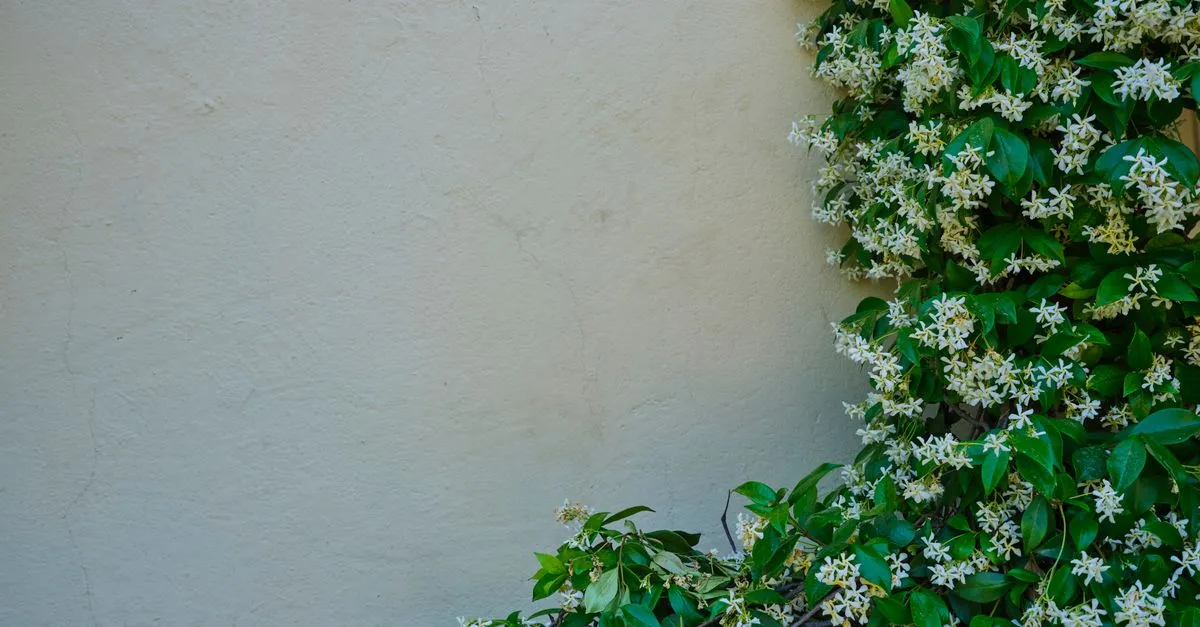
Indoor jasmine, almost always Jasminum polyanthum, is sold in late winter as a tidy hoop covered in pink buds and white star flowers, and most people never see it bloom again. The honest answer to indoor jasmine care is that it needs two things people rarely give it: far more light than a typical room offers, and a genuine cool rest through autumn and early winter. Get those right and the rest is straightforward.
What indoor jasmine care really comes down to
This plant flowers because it has been triggered to, not because it is happy in general. The flower buds for spring are set during a stretch of cool nights in autumn, so warmth and the trigger work against each other. Keep it in a warm living room year round and you get healthy green growth and no flowers, year after year. Once you accept that the bloom depends on a seasonal swing in temperature, the care makes sense.
Light
Give it the brightest spot you have. A south or west facing window is right, and an east window is the practical minimum. Jasmine will survive in medium light but it will not flower well, and the growth turns thin and reaching. A few hours of direct sun a day is a help, not a danger, for this plant. If your brightest window still feels dim, read how much light your houseplant actually needs before you blame anything else, because weak light is the second most common reason these plants disappoint.
The cool winter rest that makes or breaks it
This is the part that gets skipped. From around mid autumn, jasmine needs roughly six weeks of cool nights, ideally between 40 and 55°F (4 and 13°C), with bright light and on the dry side. A cool conservatory, a porch, an unheated spare room, or a sheltered spot outdoors in a mild climate all work. During this rest you keep it light and barely water it. Without this cold spell the buds simply never form, and no amount of feeding or fussing in spring will replace it.
The flowers you see in a shop were set the previous autumn in the cold, not grown in the warmth where you bought them.
Once buds appear in late winter, bring it back into a normal cool to average room, around 50 to 65°F (10 to 18°C), and the buds will open. A jump straight into a hot room can make set buds drop before they open.
Watering
Keep the soil lightly moist through spring and summer when it is growing and flowering, letting the top half inch (1 cm) or two dry between waterings. It is a thirsty grower in warm months and wilts quickly if it dries out fully, but it will rot just as fast if it stands in water, so a pot with drainage holes is not optional. Through the autumn rest, cut right back and water only enough to stop the soil going bone dry.
Feeding, pruning, and support
Feeding. Through spring and summer, feed every couple of weeks with a balanced or high potassium liquid feed to support flowering. A tomato style feed is a reasonable choice. Stop feeding through the cool rest. See the best fertilizer for houseplants if you are unsure what to use.
Pruning. Prune straight after flowering, usually mid spring, not in autumn. This plant flowers on growth made the previous year, so cutting it back late removes the very stems that would carry next year’s blooms. After flowering, shorten long shoots and thin out tangled growth to keep it manageable.
Support. It is a vigorous twining climber and will quickly outgrow the little hoop it came on. Give it a small trellis or train it along a wire and it will happily cover it.
Why it will not flower
In order of likelihood: no cool autumn rest, then not enough light, then pruning at the wrong time, then too much nitrogen feed pushing leaves over flowers. Work through them in that order. The first one fixes most cases on its own.
Set a reminder for early autumn
The single thing that turns a one-off shop plant into a yearly bloomer is putting it somewhere cool and bright for about six weeks from mid autumn, so decide now where that spot will be before the warm weather lulls you into leaving it on a windowsill. If you do only one thing for this plant all year, make it that cold spell, and check the night temperature where you plan to keep it rather than guessing. Everything else, the watering and feeding and after flowering prune, is just keeping a healthy plant ticking over between blooms.
Where to go next
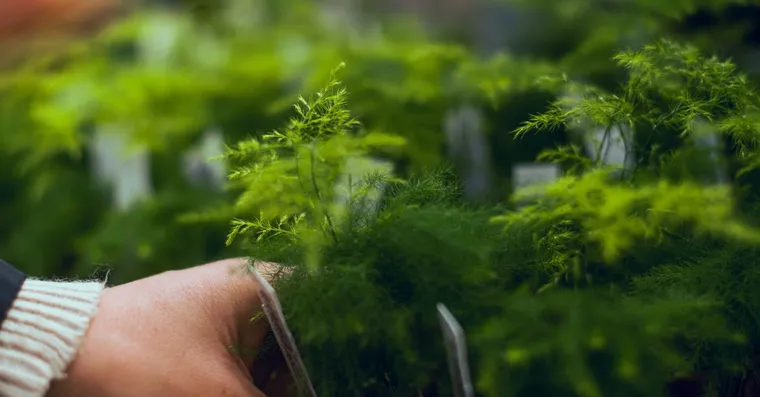
Asparagus Fern Care: Not a Fern, and It Has Thorns
Asparagus fern is not a fern, it is toxic to cats and dogs, and mature stems carry spines. Here is how to grow it and what to know first.
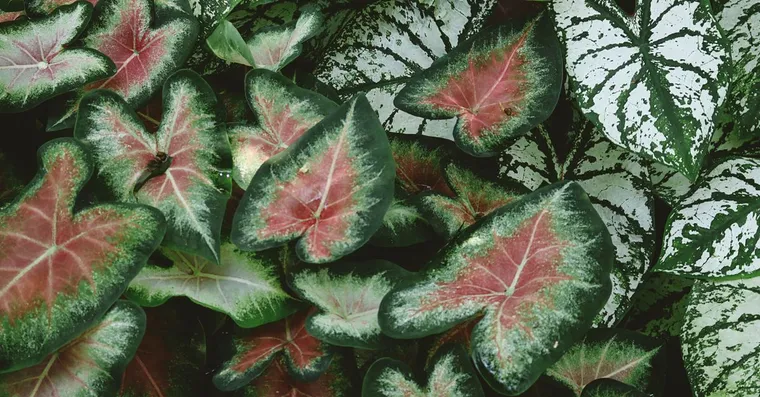
Caladium Care: Bright Leaves, Winter Dormancy, and Toxic Sap
Caladiums die back every winter and that is normal, not failure. Here is how to grow the tubers indoors and why they need care around pets.
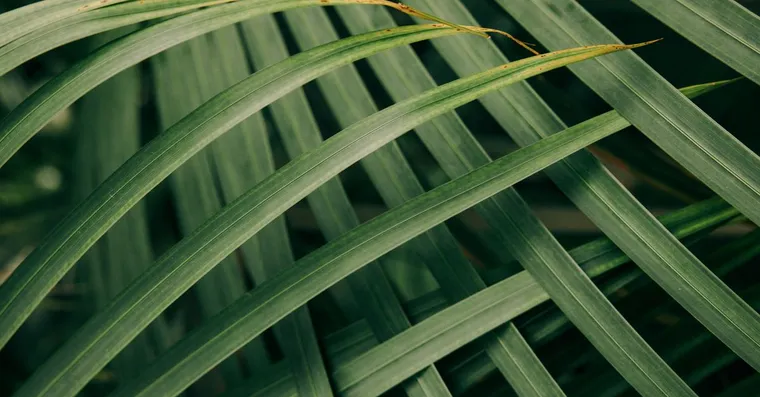
Majesty Palm Care: Light, Water, and Why It Browns
Majesty palms are sold as easy indoor palms and are not. They want more light, more water, and more humidity than a living room usually offers.
Not sure what plant you have? Identify it from a photo and we will point you at its care guide.
Frequently asked questions
How do I get my indoor jasmine to bloom again?
Give it roughly six weeks of cool nights from mid autumn, ideally between 40 and 55°F (4 and 13°C), in bright light and kept on the dry side. Jasminum polyanthum sets its spring buds during that cold spell, so a plant kept in a warm room all year grows healthy green shoots and never flowers. Once buds appear in late winter, move it to a cool to average room, around 50 to 65°F (10 to 18°C), and they will open. A jump straight into a hot room can make set buds drop before they open.
When should I prune indoor jasmine?
Prune straight after flowering, usually mid spring, and never in autumn. Jasmine flowers on growth made the previous year, so a late cut removes the very stems that would have carried next spring's blooms. After flowering, shorten the long shoots and thin out tangled growth to keep the plant manageable. It is a vigorous twining climber that will quickly outgrow the little hoop it came on, so give it a small trellis or train it along a wire.
How often should I water indoor jasmine?
Through spring and summer keep the soil lightly moist, letting the top half inch (1 cm) or two dry out between waterings. It is a thirsty grower in warm months and wilts quickly if it dries out fully, but it will rot just as fast standing in water, so a pot with drainage holes is not optional. Through the autumn cool rest, cut right back and water only enough to stop the soil going bone dry.
How much light does indoor jasmine need?
The brightest spot you have. A south or west facing window is right, and an east window is the practical minimum. It will survive in medium light but it will not flower well, and the growth turns thin and reaching. A few hours of direct sun a day is a help rather than a danger for this plant. Weak light is the second most common reason a shop jasmine disappoints, behind the missing cool rest.