Best pots and planters for houseplants
A buying guide to pots for indoor plants: terracotta versus plastic versus ceramic, why drainage holes matter, and how to size a pot for healthy roots.
Some links in this guide go to Amazon. As an Amazon Associate we earn from qualifying purchases, at no extra cost to you. How this works.
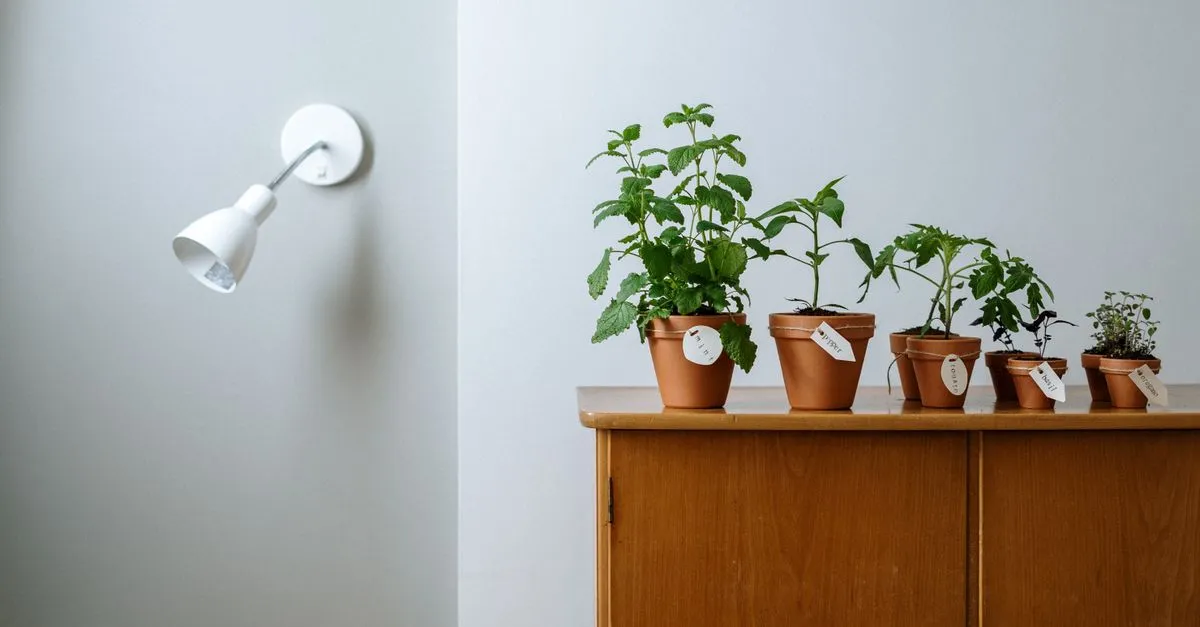
The best pots for houseplants are the ones with a drainage hole, in a material that matches how you water. Color and shape are the enjoyable part, but they come second to those two things. Get the drainage and the material right, and almost any plant will settle in happily.
Drainage comes before everything else
A pot needs a hole in the bottom. Water has to be able to leave, or it pools around the roots and they sit wet until they rot. A decorative pot with no hole is not really a planter, it is a cachepot: an outer cover that a plain inner nursery pot sits inside. That is a perfectly good way to use a pretty container you love. Keep the plant in its plastic nursery pot, lift it out to water at the sink, let it drain fully, then drop it back in. The myth that a layer of gravel at the bottom of a hole-free pot creates drainage is just that: a myth. The gravel only raises the waterlogged zone closer to the roots.
A beautiful pot with no drainage is the most common reason a healthy plant slowly declines.
The best pots for houseplants, ranked by how forgiving they are
The material decides how fast the soil dries, so match it to your watering habit rather than to your shelf.
Plastic and glazed ceramic. These hold moisture longest because the walls do not breathe. That makes them the most forgiving choice for thirsty plants and for people who forget to water. Ferns, calatheas, peace lilies, and most leafy tropicals do well in them. They are also light, cheap, and easy to find with drainage holes already molded in.
Unglazed terracotta. Raw clay is porous, so it wicks moisture out through the walls and the soil dries fast. That breathing is a gift if you tend to overwater, and it suits plants that want to dry out between drinks: succulents, cacti, snake plants, and aloe. The trade-off is that thirsty plants in terracotta need watering more often, and you will see a white mineral crust build up on the outside over time, which is harmless.
Metal and fiberglass. These come into their own for large statement plants like a fiddle leaf fig or a bird of paradise, where a big ceramic pot would be heavy and prone to cracking. Fiberglass is light enough to move and shrug off knocks. Check that any metal pot has a drainage hole and a liner, since bare metal can rust and heat up in a sunny window.
| Material | How fast soil dries | Best for |
|---|---|---|
| Plastic and glazed ceramic | Slowest, holds moisture | Thirsty leafy plants, forgetful waterers |
| Unglazed terracotta | Fastest, breathes | Succulents, cacti, chronic overwaterers |
| Metal and fiberglass | Varies, light and tough | Large statement plants |
Size up slowly
When you do move a plant on, go up only one size at a time, roughly 3/4 to 2 inches (2 to 5 cm) wider than the current pot. A pot that is far too big holds a large volume of damp soil that the small root ball cannot drink, so it stays wet for days and invites root rot. Sizing up gradually keeps the soil drying at a healthy pace and is gentler on the plant. If you are unsure whether a plant even needs more room, that belongs to the separate question of when and how to repot, not which pot to buy.
Saucers, cachepots, and self-watering pots
A saucer catches the water that runs through, so your shelf stays dry. Tip out anything left in the saucer after half an hour, because a plant standing in a puddle is back to sitting in water. The cachepot trick above gives you the same protection while hiding the practical nursery pot. Self-watering pots, which feed moisture up from a reservoir, suit forgetful waterers and thirsty plants, but they are a poor fit for succulents and anything that likes to dry out. They are worth a closer look in their own right, so see whether self-watering pots actually work before you commit, or go straight to the best self-watering pots and planters buying guide if you have already decided to try one.
Shop in this order: hole, material, then looks
When you are standing in the shop with a pot you love, check for a drainage hole first, decide whether its material suits how often you actually water, and let color and shape be the tiebreaker. The mistake that catches most people is buying the biggest, prettiest pot on the shelf and potting a small plant straight into it, so size up by one increment and keep a plain nursery pot handy as your liner. Get those habits right and you can chase whatever finish you like without ever putting a plant at risk.
Where to go next
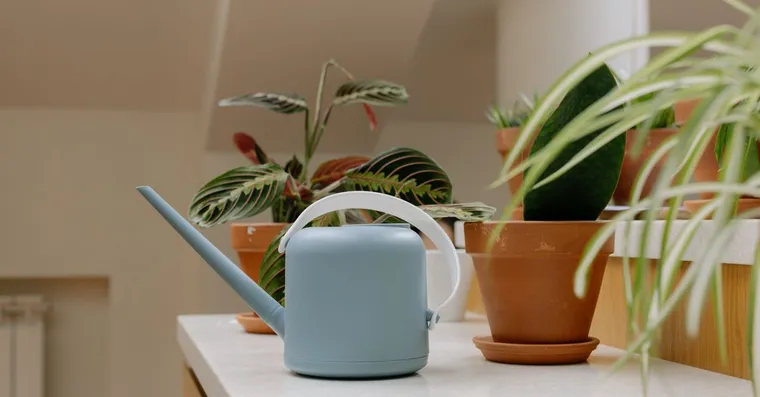
Best self watering pots and planters
Are self watering pots worth it? A buying guide covering how the wicking reservoir works, which plants love them, and which plants they will quietly rot.
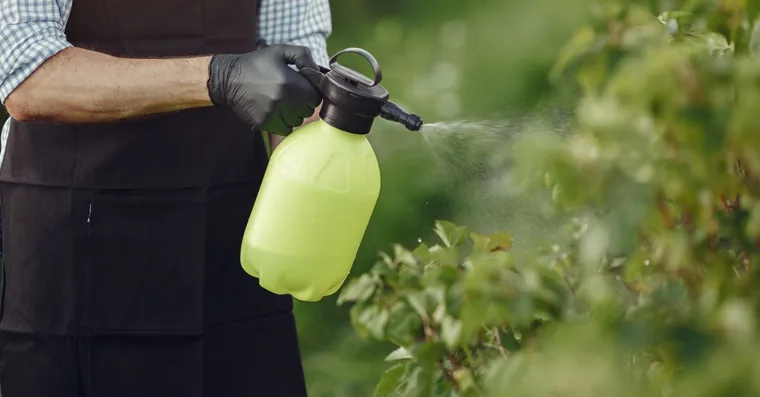
Best fertilizer for houseplants
A buying guide to houseplant fertilizer: liquid versus slow release versus organic, what the NPK numbers mean for indoor plants, and how often to feed.
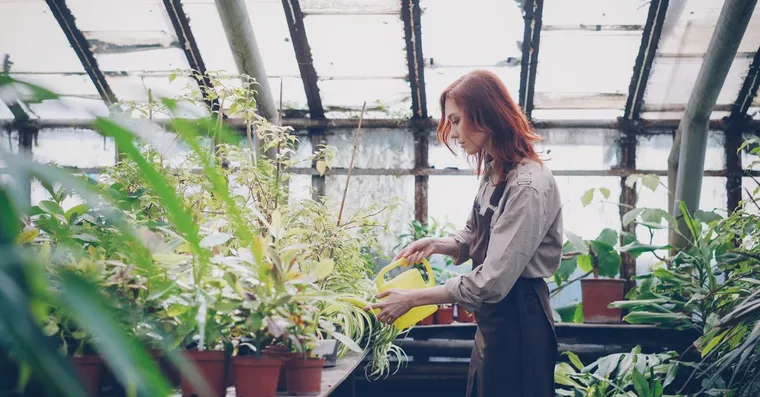
Best grow lights for indoor plants
A practical buying guide to grow lights for houseplants: which type to choose, what the specs actually mean, and when you do not need one at all.
Not sure what plant you have? Identify it from a photo and we will point you at its care guide.
Frequently asked questions
What is the best pot material for houseplants?
Match the material to how you water. Plastic and glazed ceramic hold moisture longest and forgive under-watering, so they suit thirsty plants and forgetful waterers. Unglazed terracotta breathes and dries fast, so it forgives over-watering and suits succulents and cacti. Whatever the material, it needs a drainage hole.
Terracotta or ceramic pots: which is better for houseplants?
Terracotta is porous and dries the soil faster, which suits plants that like to dry out and anyone prone to overwatering. Glazed ceramic holds moisture longer, which suits thirsty leafy plants and people who forget to water. Neither is better overall; pick the one that matches your watering habit.
Do houseplant pots need drainage holes?
Yes. Without a drainage hole, water pools around the roots and they rot. A layer of gravel does not fix this; it only raises the waterlogged zone. If you love a pot with no hole, use it as a cachepot with the plant kept in a plain nursery pot inside.
What can I do if my favorite pot has no drainage hole?
Use it as a cachepot. Keep the plant in a plastic nursery pot that does have holes, lift it out to water at the sink, let it drain fully, then drop it back into the decorative pot. You get the look without drowning the roots.