Self-Watering Pots: Do They Actually Work?
How self-watering pots work, which plants thrive in them and which rot, and the honest truth about whether they make houseplant care easier.
Some links in this guide go to Amazon. As an Amazon Associate we earn from qualifying purchases, at no extra cost to you. How this works.
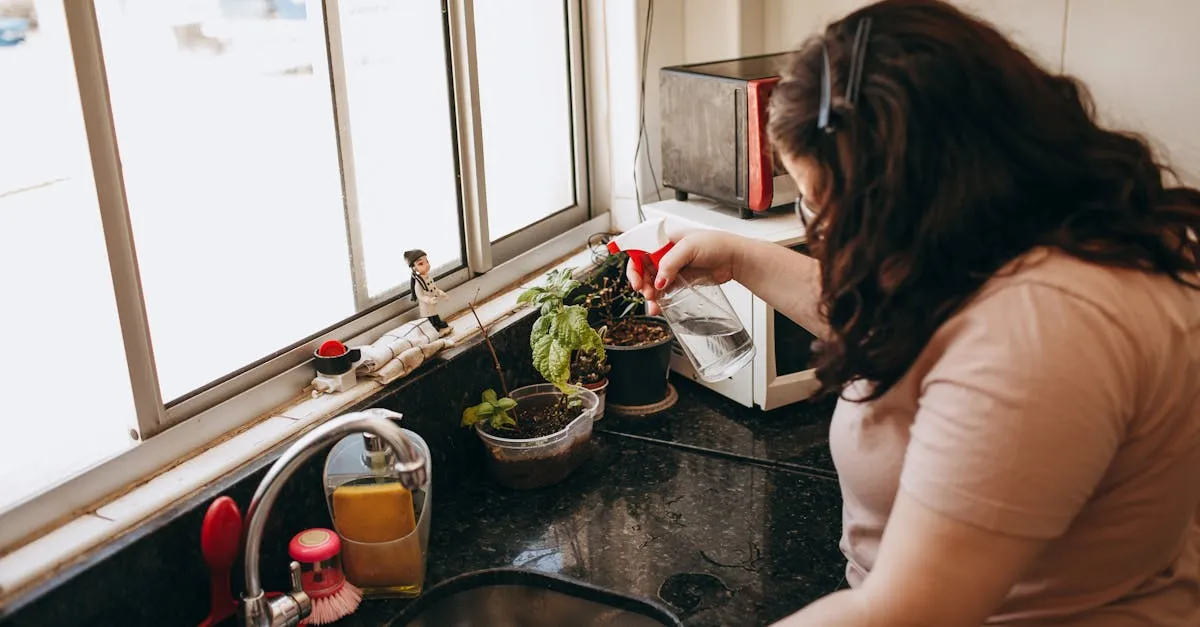
Self-watering pots for houseplants are not magic, but they are not a gimmick either. They solve one specific problem well: keeping the soil of a thirsty, moisture-loving plant evenly damp without you watering every few days. The catch is that the same feature that helps a fern will rot a cactus, so the honest answer to “do they work?” is: yes, for the right plants, used the right way.
How a self-watering pot actually works
There is no pump and no clever electronics. A self-watering pot is a container with a hidden reservoir at the bottom and a wick, or a column of soil, that draws water upward into the root zone. As the soil dries, capillary action pulls more moisture up from the reservoir. You top up the reservoir through a fill tube or side spout, and a float or overflow hole tells you when it is full.
The plant effectively waters itself from below, taking what it needs as the surrounding soil dries. That steady, self-regulating supply is the whole point, and it explains both the strengths and the limits below.
What they do well
These pots earn their place with a narrow but useful set of plants and habits.
Moisture-loving plants that hate drying out. Peace lilies, ferns, and calatheas sulk the moment their soil goes dry, browning at the tips and drooping. A reservoir keeps them in the consistent dampness they actually want.
Thirsty, fast-growing trailers. Pothos and similar vines drink heavily in summer and a reservoir smooths out the peaks, so you are not caught short between waterings.
Forgiveness for forgetful waterers. If you travel, work long hours, or simply forget, a reservoir buys you a week or two of grace. It also helps if you tend to overwater by hand, because the plant draws only what it needs rather than getting a flood on a schedule.
Self-watering pots for houseplants that need to dry out
This is where the marketing oversells. A self-watering pot keeps the lower soil permanently moist, which is exactly the wrong environment for any plant adapted to drought. Succulents, cacti, snake plants, and ZZ plants store water in their leaves or roots and need the soil to dry fully between drinks. Sit them on a reservoir and the roots stay wet, suffocate, and rot. No reservoir setting is low enough to fix that, because the soil never gets the dry spell those plants depend on.
Two more honest caveats apply to every self-watering pot:
A new plant cannot use the reservoir yet. Until its roots grow down far enough to reach the moist zone, the lower soil wicks water the roots cannot drink, while the top dries out. Top water from above as normal for the first several weeks, and only rely on the reservoir once the plant is established and rooted in.
A neglected reservoir turns stagnant. Standing water left for weeks can grow algae, smell sour, and breed fungus gnats. Let the reservoir run dry between fills, then refresh it, rather than topping up murky water indefinitely.
How to set one up
- Pot into the right mix. Use a free-draining potting mix so water wicks evenly. Heavy, compacted soil either stays soggy or fails to draw water at all.
- Top water at first. Water from the surface for the first few weeks so roots grow down toward the reservoir. Skip this and the plant starves above a full tank.
- Fill the reservoir, then watch the gauge. Once established, fill through the tube until the float or overflow shows full. Stop there, because overfilling waterlogs the whole pot.
- Let it empty before refilling. Allow the reservoir to run dry for a day or two between fills. That brief dry gap keeps the water fresh and the roots healthy.
Plants to never put in a self-watering pot
Skip the reservoir entirely for anything that wants to dry out: snake plants, ZZ plants, aloe, jade and other succulents, cacti, and most plants sold as “drought-tolerant”. They will do far better in an ordinary pot with a drainage hole, watered only when the soil is dry.
Match the pot to the plant’s thirst, not to your schedule, and a self-watering pot becomes a tool rather than a trap.
Start with a fern, not a cactus
If you want to find out whether a self-watering pot suits the way you garden, test it on a single moisture-lover like a peace lily or fern, top water for the first few weeks while the roots reach down, then let the reservoir run dry between fills. Get that rhythm right and the pot quietly earns its keep; drop in a succulent or skip the dry gap, and you will likely be repotting a rotted plant by the end of summer. For a comparison of specific models, the best self-watering pots and planters guide covers options by size and build quality.
Where to go next
Best self watering pots and planters
Are self watering pots worth it? A buying guide covering how the wicking reservoir works, which plants love them, and which plants they will quietly rot.
Watering Houseplants While You Are Away on Holiday
How to keep houseplants watered while away, from grouping and self-watering wicks to the cheap tricks that work for a week or two without a plant sitter.
Why Is My Monstera Turning Yellow? Causes and Fixes
Yellow leaves on a monstera usually mean a watering problem, but light, feeding, and age all matter; here is how to tell them apart.
Not sure what plant you have? Identify it from a photo and we will point you at its care guide.