Watering Houseplants While You Are Away on Holiday
How to keep houseplants watered while away, from grouping and self-watering wicks to the cheap tricks that work for a week or two without a plant sitter.
Some links in this guide go to Amazon. As an Amazon Associate we earn from qualifying purchases, at no extra cost to you. How this works.
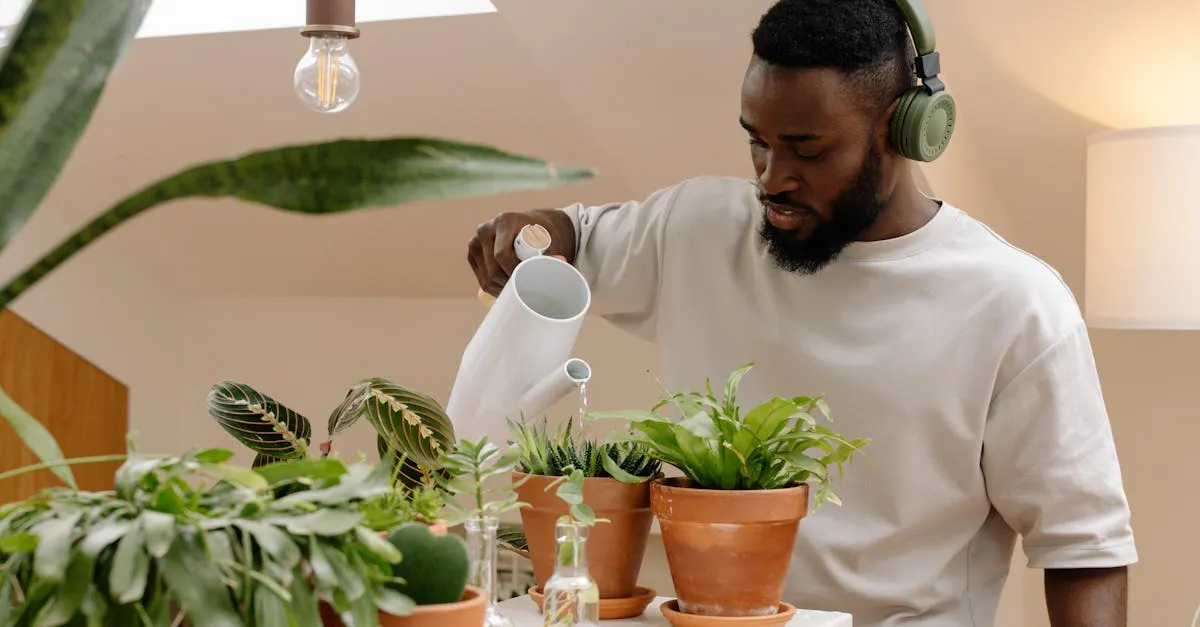
Most houseplants survive a week alone far better than people fear. The real risk with watering houseplants while away is not drought but the opposite: a panicked soak that leaves roots sitting in waterlogged soil for days, which kills faster than a dry spell ever would. Match your approach to the length of the trip, and for anything under a week the honest answer is that you barely need to do anything.
| Plant | How long without water (indoors, mild conditions) | Notes |
|---|---|---|
| Cactus | 30+ days | Store water in stems; holiday absence is rarely a concern |
| Succulent (echeveria, haworthia, aloe) | 21-30 days | Water lightly before leaving; err on the dry side |
| Snake plant (sansevieria) | 14-21 days | Prefers to dry out fully between waterings |
| ZZ plant | 14-21 days | Stores water in rhizomes; very forgiving |
| Pothos | 10-14 days | Will wilt visibly when thirsty but recovers quickly |
| Spider plant | 10-14 days | Tolerates drying; avoid soggy soil |
| Peace lily | 7-10 days | Droops when dry but bounces back after watering |
| Monstera | 7-10 days | Larger pots hold moisture longer |
| Fern | 5-7 days | Needs consistent moisture; prioritize for a sitter or wick |
| Calathea | 5-7 days | Sensitive to both drought and waterlogging |
Why most plants are fine for a week
A healthy plant in a well-draining pot loses water slowly when conditions are calm. The biggest drivers of water loss are light, heat, and air movement, so the trick is to slow all three down rather than to overload the soil before you leave.
The day before you go, water each plant normally and let the excess drain fully. Then make the room work for you:
- Move plants out of direct sun. A spot of bright, indirect light slows transpiration without starving them. Direct sun on a closed-up apartment will bake them and dry the soil in days.
- Group them together. Clustered plants raise the humidity around each other and shade nearby pots, which cuts water loss noticeably. Putting them on or near a tiled bathroom or kitchen floor helps too.
- Turn the heating down and close the curtains. Cooler, dimmer, and still air means slower growth and far less thirst.
Do not stand pots in saucers full of water as a shortcut. A few hours is one thing, but a week sitting in it invites root rot, and that is the failure mode that actually loses plants.
Watering houseplants while away for two weeks or more
Past a week, thirsty plants such as ferns, calatheas, and peace lilies will need a real water source. Ranked from most reliable to least:
- A plant sitter. A person who comes once or twice is still the safest option, especially for a mixed collection. Leave written notes: which plants to water, how much, and a clear instruction to skip any whose soil still feels damp. Vague briefs cause overwatering.
- A self-watering reservoir or wick. Sit a wick (a strip of capillary matting or a length of cotton cord) with one end in the soil and the other in a jug of water below the pot. Water travels up only as the soil dries, which makes this gentler than it sounds. Test it for a day or two before you leave so you can see the rate.
- Sub-irrigation or a bath setup. Stand pots on a towel laid in the bath with one end trailing into an inch or two (3 to 5 cm) of water. The towel wicks moisture up through the drainage holes. This suits a batch of small to medium pots at once.
- Self-watering planters. If you travel often, pots with a built-in reservoir remove the guesswork entirely and are worth the switch for thirsty species.
Skip the upturned-wine-bottle spikes and watering globes for long trips. They tend to dump their whole contents in the first day or clog and deliver nothing, so you cannot predict which.
The plants most likely to die while you are away are the ones you fussed over most before leaving, not the ones you left alone.
Succulents and other plants that need nothing
Succulents and cacti store water in their leaves and stems and genuinely prefer to dry out. A two or three week trip is closer to ideal conditions than a problem, so water lightly before you go and leave them be. The same easy tolerance applies to snake plants, ZZ plants, and most thick-leaved or drought-tolerant houseplants: they would rather be forgotten than topped up.
If anything, returning to a slightly thirsty succulent is a good sign. A plump, freshly watered one left in low light for two weeks is the one at risk of rotting.
What to do the day you get back
Resist the urge to drench everything at once. Check each pot by pushing a finger into the soil. Water only the ones that are dry, move plants back to their usual spots gradually so they re-adjust to brighter light, and give anything that looks limp a day to recover before deciding it needs anything.
Test the setup before you lock the door
The mistake that catches people out is leaving the wick, towel, or reservoir untried, then discovering on return that it ran dry on day two or never wicked at all. Set up whatever method you have chosen a few days early and watch how fast the soil takes up water, so you can adjust the cord, the depth, or the number of pots before it actually matters. If a trip is coming up in high summer, start grouping and shading the plants a week ahead rather than scrambling the night before.
Where to go next
Self-Watering Pots: Do They Actually Work?
How self-watering pots work, which plants thrive in them and which rot, and the honest truth about whether they make houseplant care easier.
Why Is My Monstera Turning Yellow? Causes and Fixes
Yellow leaves on a monstera usually mean a watering problem, but light, feeding, and age all matter; here is how to tell them apart.
Guttation: Why Your Houseplant Drips Water at Night
Those water drops on leaf tips in the morning are guttation, not sweat or dew. What causes it, when it is harmless, and when it hints at overwatering.
Not sure what plant you have? Identify it from a photo and we will point you at its care guide.
Frequently asked questions
How long can houseplants go without water on holiday?
Most common houseplants survive one to two weeks without water if you move them out of direct sun and group them together before you leave. Drought-tolerant plants such as succulents, snake plants, and ZZ plants can go three to four weeks. Thirsty plants such as ferns and calatheas need attention after five to seven days, so set up a wick or arrange a sitter for trips longer than a week.
Should I water my plants just before going on holiday?
Yes, water each plant normally the day before you leave and let all excess drain from the pot. Do not give a heavy extra soak hoping to buy more time as waterlogged soil does more harm than a slight dry spell. After watering, move plants away from direct sun and group them to slow moisture loss.
What is the best way to keep plants alive for two weeks while away?
A capillary wick is the most reliable low-cost option: place one end of a cotton cord or strip of matting in the soil and trail the other end into a jug of water set below the pot. The plant draws water only as it needs it. Test the setup for a day before you leave to check the flow rate. Self-watering planters with a built-in reservoir work on the same principle and are worth the investment if you travel regularly.