Best moss poles for climbing houseplants
Choosing a moss pole for monstera, pothos, and other climbers: sphagnum versus coir, extendable poles, and how to help aerial roots actually grab on.
Some links in this guide go to Amazon. As an Amazon Associate we earn from qualifying purchases, at no extra cost to you. How this works.
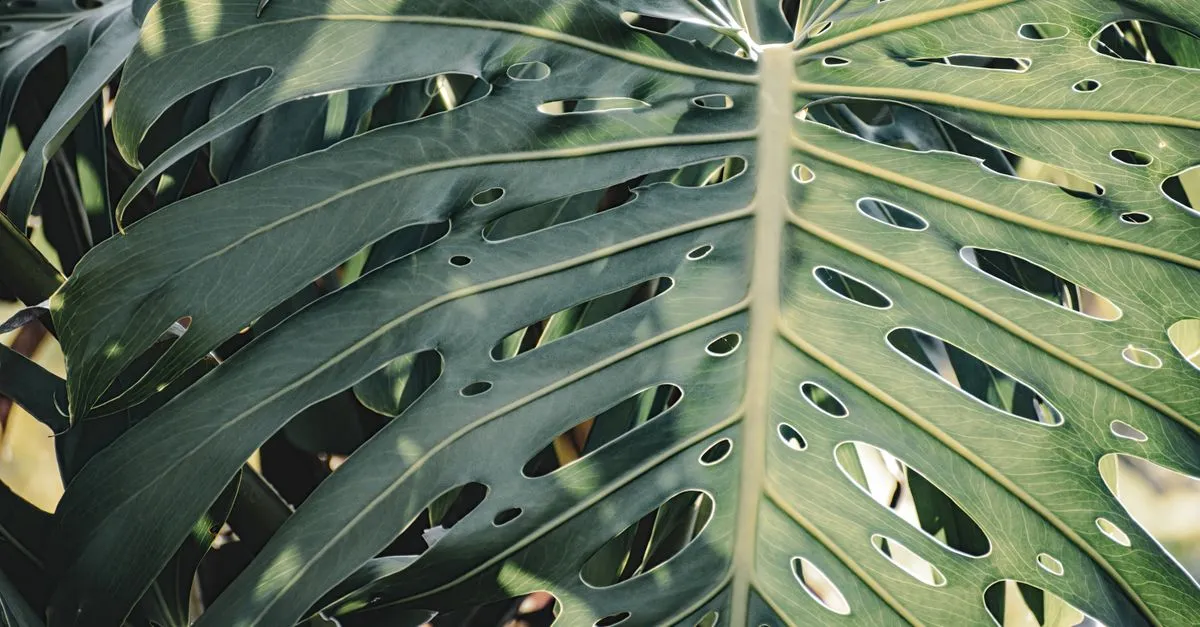
In the wild a monstera climbs, and a climbing monstera grows bigger, more deeply split leaves than one left to sprawl. The best moss pole for monstera is a true sphagnum pole you keep damp, not a dry decorative stake, because it is the moisture that aerial roots grab onto. Here is how the options compare and how to use one so it actually earns its place.
Quick answer
A true sphagnum moss pole you keep damp is the best choice for a monstera, because damp moss is what aerial roots actually grow into, and a plant that reads itself as climbing pushes larger leaves with deeper splits. Coir poles are cheaper and tidy but hold far less moisture and dry fast, so the benefit is weaker. Plain trellises and totems support the stem without offering a moist surface, which makes them structural rather than developmental. Buy one you can extend, since a healthy climber outgrows a fixed pole within a season or two, and set it when you repot so you do not spear established roots. Tie the stem loosely until the roots grab on. A dry moss pole gives none of the leaf benefit: dry, it is just a stake.
Why a climbing plant wants a pole
Monstera, pothos, philodendron and syngonium are all climbers by nature. In a forest they scramble up tree trunks, anchoring with aerial roots that pull in moisture as they go. Give that root system a damp surface to grip and the plant reads it as climbing, then starts pushing larger, more mature leaves with the deep splits and holes people want. Left to trail or flop, the same plant tends to stay juvenile with smaller leaves. The pole is not decoration: it is a signal to the plant.
The best moss pole for a monstera, and the other options ranked
Sphagnum moss poles. A pole packed with real sphagnum is the top choice for leaf development, because you can keep it genuinely damp and damp moss is exactly what aerial roots grow into. The roots attach, draw moisture, and the plant rewards you with bigger leaves. These cost more and need topping up with water, but nothing else gives the same result.
Coir or coco poles. A coir pole is cheaper and everywhere. It gives roots something to grip and looks tidy, but coir holds far less moisture than sphagnum and dries fast, so the moisture benefit is weaker. A fair middle option if you will not commit to keeping sphagnum wet.
Extendable or stackable poles. Some poles are built to be added to in sections as the plant grows. This is a feature more than a category, and it matters: a healthy climber will outgrow a fixed pole within a season or two, and stacking on height beats repotting onto a taller stake every time.
Plain trellises and coir totems. If you only want to keep a plant upright and you are not chasing bigger leaves, a trellis, bamboo grid or plain totem is fine. It supports the stem but offers no moist surface for roots, so treat it as structural, not developmental.
Features that actually matter
A moss surface you can keep moist. The whole benefit depends on the moss staying damp. If a pole’s surface sheds water the moment you wet it, or you cannot easily soak it, it will not do the job.
A base that will not topple. A mature monstera gets top heavy quickly. A flimsy pole pushed into loose mix will lean and tip the whole pot. Look for a sturdy base, or a pole long enough to bury deep.
The ability to extend. Buy one you can make taller, or plan to swap up in size. Your plant will outgrow its first pole, and an extendable design saves repeated upheaval.
How to use one well
Bury the base firmly. Set the pole when you repot, pushing it deep and packing mix tightly around it so it cannot wobble. Adding it later risks spearing established roots.
Tie the stem loosely. Use soft ties or plant clips to hold the stem against the moss until the aerial roots grab on by themselves. Loose, not tight, so the stem can still thicken.
Keep the moss damp. Mist the moss or pour water down the top so it stays moist. That is what draws the aerial roots in.
A moss pole only works while the moss is wet. Dry, it is just a stake.
Honest caveats
A dry moss pole gives none of the leaf benefit, so if you will not keep it damp, save your money and use a plain stake or trellis that does the same supporting job for less. Not every plant needs one either: if you like the look of a pothos or philodendron trailing down from a shelf, that is a perfectly healthy way to grow it. And whatever you buy, the plant will eventually outgrow it, which is why an extendable pole is worth the extra. For the full method, see Moss Poles and Trellises: Supporting Climbing Houseplants, and the species detail in Monstera Deliciosa Care.
What to check a month after potting it
Set a reminder to feel the moss every few days; if it has gone dry and crisp, the aerial roots will not have moved into it and you have bought an expensive stake. Good progress looks like roots visibly creeping into the damp surface and a fresh leaf or two that are larger and more deeply cut than the last, usually within a growing season. If you reach autumn and the plant is already nearing the top, order the next section now rather than disturbing settled roots later.
Where to go next
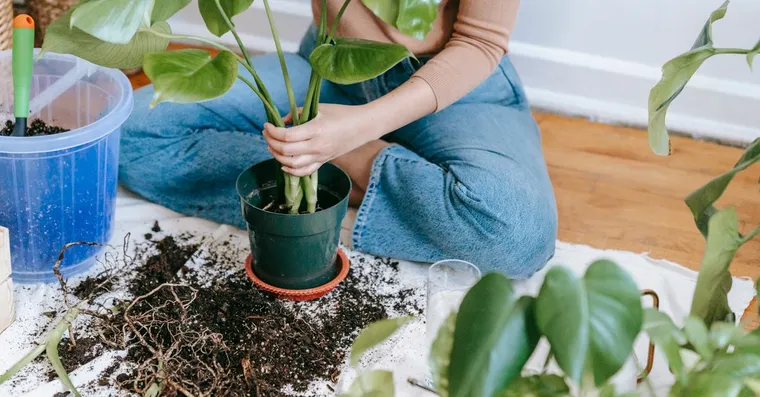
Monstera Aerial Roots: What They Do and What to Do With Them
Those thick roots growing from your monstera stem are normal aerial roots for climbing; here is whether to cut, bury, or train them.
Best fertilizer for houseplants
A buying guide to houseplant fertilizer: liquid versus slow release versus organic, what the NPK numbers mean for indoor plants, and how often to feed.

Best grow lights for indoor plants
A practical buying guide to grow lights for houseplants: which type to choose, what the specs actually mean, and when you do not need one at all.
Not sure what plant you have? Identify it from a photo and we will point you at its care guide.