Moss Poles and Trellises: Supporting Climbing Houseplants
How to choose and attach moss poles or trellises so climbing plants like monstera and pothos grow bigger leaves and stay upright.
Some links in this guide go to Amazon. As an Amazon Associate we earn from qualifying purchases, at no extra cost to you. How this works.
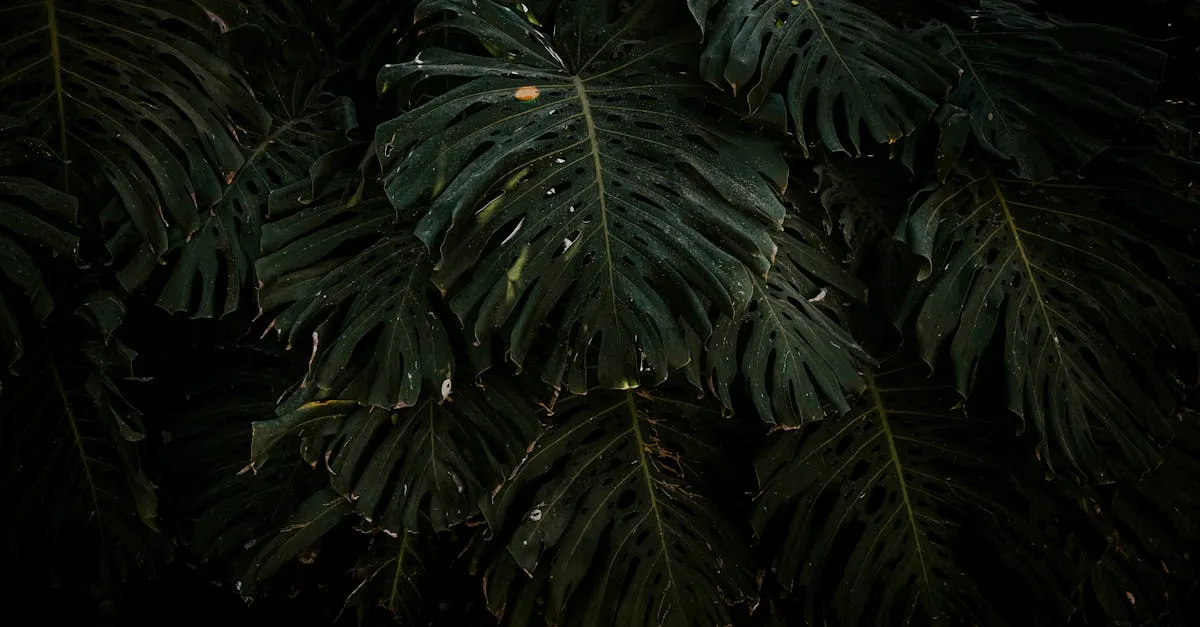
Climbing plants in your home are vine-dwellers that, in the wild, scramble up tree trunks toward brighter light. A moss pole for houseplants gives a climber like a monstera or philodendron something to anchor onto, and that single change often unlocks bigger leaves, fuller growth, and the leaf splits people are chasing. Not every plant wants one, though, so the first question is whether yours is a climber at all.
Why climbers grow larger and fenestrate with support
In the wild, aroids such as monstera, pothos, and philodendrons are climbers. They start life on the forest floor and creep upward, and their leaves get progressively larger and more split as they climb toward the canopy. This is their mature growth pattern, triggered partly by the plant sensing a vertical surface to attach to.
Grown flat in a pot with nothing to climb, these plants stay in a juvenile phase: smaller leaves, shorter spaces between them, and few or no fenestrations (the holes and splits). Give the stem something solid and vertical to grab, and it reads that as “I am climbing now” and shifts toward adult growth. The aerial roots dig into a moist, textured surface and the plant invests in bigger foliage.
Support does not just hold a plant up: it tells the plant it is time to grow up.
Honest truth: trailing plants do not need one
This is where a lot of money gets wasted. Plants that naturally trail or hang, rather than climb, get nothing from a pole. A string-of-pearls, most hoyas grown as hanging plants, spider plants, and a heartleaf philodendron you intend to drape from a shelf are all perfectly happy cascading downward.
Pothos is the interesting middle case. It will climb a pole and produce larger leaves if you train it upward, but it is just as content trailing from a hanging pot, where it stays in its small-leaf form. Neither is wrong. Decide on the look you want first, then choose your support, or skip it.
Types of poles and trellises
Rank your choice by how big the plant will get and how much its aerial roots want to attach.
Moss poles. A pole wrapped in sphagnum moss is the best choice for aroids with aggressive aerial roots, like monstera and large philodendrons. The roots grip and grow into the damp moss, which both anchors the plant and feeds it a little moisture. They are the most effective option for triggering mature growth. For a comparison of the main products available, see the roundup of best moss poles for climbing houseplants.
Coir poles. Wrapped in coconut fiber, these are cheaper and tidier than moss but hold less moisture and are harder for roots to penetrate. Fine for lighter climbers, less good for a heavy monstera.
Extendable and stackable poles. Look for poles you can add sections to as the plant grows. A fixed short pole means re-staking onto something taller within a year for a vigorous plant.
Trellises and stakes. A flat wooden or metal trellis suits twining and tendril plants and looks neat against a wall. It supports the plant but does not give aerial roots the moist surface that drives fenestration, so it is more about display than growth.
How to attach stems to the support
Set the pole into the pot when you repot, pushing it firmly to the base so it does not wobble. Adding it to an established plant means working it down beside the root ball without spearing the roots.
- Position the node against the pole. Aerial roots emerge at nodes, so press those points to the moss where they can attach.
- Tie loosely. Use soft plant ties, garden twine, or velcro strips. Leave room for the stem to thicken; a tight tie will cut in as it grows.
- Guide, do not force. Bend stems gently. Aroid stems snap if you wrench them upright in one go, so train a little at a time.
- Be patient. Aerial roots take a few weeks to grab on. Once they do, you can remove most of the ties.
Keeping a moss pole moist
A dry moss pole does little, because the roots will not grow into it. The moisture is the whole point.
Mist the moss when you water, or pour water down the top of the pole so it soaks through. In dry rooms you may need to dampen it every few days. Some growers run a thin tube down the center to water from the top. If your pole stays bone dry no matter what, your room may simply be too dry, and a more humid spot will help both the pole and the plant.
What to expect once the roots take hold
Give it a full growing season before you judge the results: the bigger, more fenestrated leaves appear on new growth, not on the foliage already there, so the change is gradual rather than overnight. The single mistake that wastes the whole effort is letting the moss dry out, so keep it damp through spring and summer and check the pole alongside the plant whenever you water.
Where to go next
Best moss poles for climbing houseplants
Choosing a moss pole for monstera, pothos, and other climbers: sphagnum versus coir, extendable poles, and how to help aerial roots actually grab on.
Monstera Aerial Roots: What They Do and What to Do With Them
Those thick roots growing from your monstera stem are normal aerial roots for climbing; here is whether to cut, bury, or train them.
Monstera Adansonii Care: The Swiss Cheese Vine
How to care for a monstera adansonii, the trailing Swiss cheese vine, with the light, watering, and support that give it bigger, hole-filled leaves.
Not sure what plant you have? Identify it from a photo and we will point you at its care guide.