Monstera Adansonii Care: The Swiss Cheese Vine
How to care for a monstera adansonii, the trailing Swiss cheese vine, with the light, watering, and support that give it bigger, hole-filled leaves.
Some links in this guide go to Amazon. As an Amazon Associate we earn from qualifying purchases, at no extra cost to you. How this works.
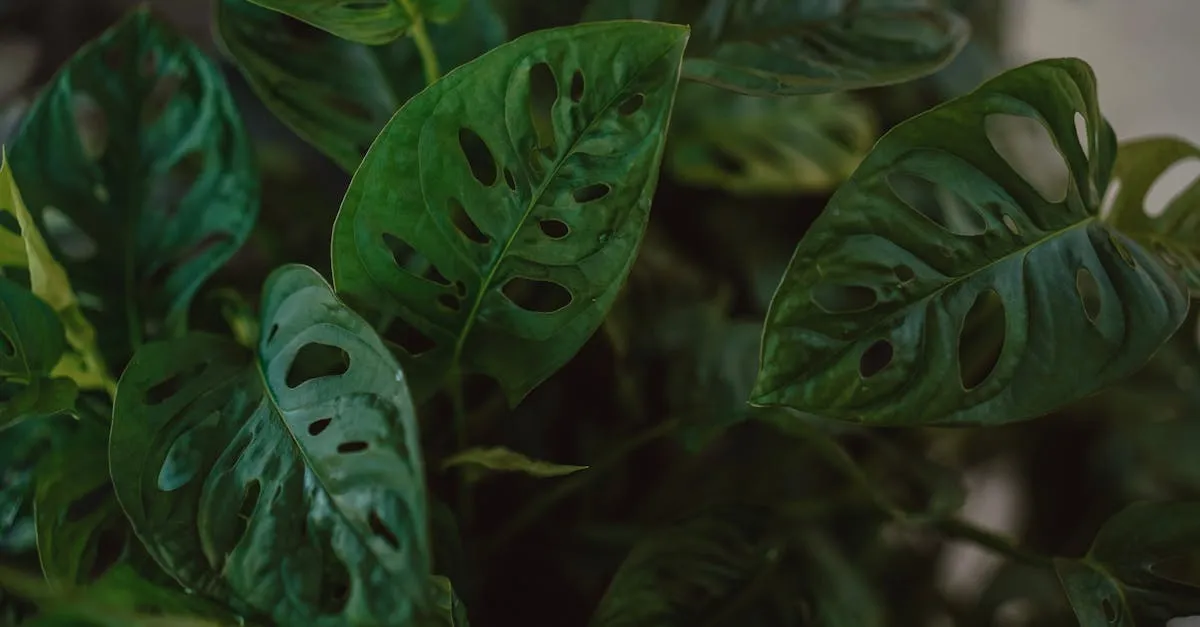
The Swiss cheese vine, Monstera adansonii, is the deliciosa’s faster, smaller-leaved cousin: a trailing or climbing plant covered in oval leaves full of natural holes. Good monstera adansonii care comes down to bright indirect light, water when the top inch or two (3 to 5 cm) of soil dry out, and a support to climb if you want bigger leaves. It is genuinely easier and quicker to grow than the more famous Monstera deliciosa, which makes it a strong choice if you want a fast, dramatic plant without much fuss.
The holes are normal, not damage
This catches a lot of new owners off guard, so it is worth saying plainly: the holes in adansonii leaves are meant to be there. They are called fenestrations, and they appear naturally as each leaf matures. You did not cause them, no pest ate them, and you do not need to fix anything.
Healthy adansonii leaves are flat, deep green, and fully closed around the edges with holes in the middle. What you should worry about is a leaf with ragged edges, brown crispy patches, or holes that tear right through the rim. That is damage. The neat oval windows in the center are simply how the plant grows.
Light, water, and humidity
These three things cover almost everything the plant needs.
- Light. Bright indirect light is the sweet spot. An east-facing window, or a spot 3 feet (1 m) or so back from a brighter window, keeps the leaves large and well fenestrated. Too little light gives you small leaves with few or no holes and long gaps between them. Avoid harsh midday sun, which scorches the thin leaves.
- Water. Water when the top 1 to 1 1/2 inches (3 to 4 cm) of soil feel dry. In a warm, bright room that often means roughly weekly in summer and less in winter. Let excess drain away fully and never leave the pot sitting in water, which is the quickest route to root rot.
- Humidity. Adansonii likes moderate to high humidity but tolerates normal room air better than fussier aroids. If your home is very dry, grouping plants together or using a humidifier helps. Misting does little of lasting value, so do not rely on it.
A moss pole grows bigger leaves
Adansonii will trail happily from a shelf or hanging pot, and many people grow it that way. But if you want the largest, most dramatic leaves, give it something to climb. In the wild it scrambles up trees, and the aerial roots that grip a support signal the plant to produce bigger foliage.
A moss pole or trellis works well. Keep the moss pole lightly damp so the aerial roots attach, and tuck stray stems against it as the plant grows. Trailing plants stay attractive but tend to keep their leaves on the smaller side, so choose your support based on the look you want.
Feeding, potting, and pruning
Feeding. During spring and summer, a balanced liquid fertilizer at half strength every few weeks is plenty. Stop feeding in autumn and winter when growth slows.
Potting. Use a chunky, well-draining aroid mix: regular potting compost loosened with orchid bark and perlite. Dense, water-retentive soil suffocates the roots. Repot every year or two when roots fill the pot.
Pruning. Adansonii grows fast and can get leggy. Trim back long or bare stems just above a node, and the plant branches out fuller. Those cuttings root easily in water or soil, so propagation is simple: each cutting needs at least one node to grow new roots.
Give it a support to climb and a node to cut from, and one plant quickly becomes a fuller plant, or several.
It is toxic to pets
Like all monsteras, adansonii contains insoluble calcium oxalate crystals. If a cat or dog chews it, expect mouth irritation, drooling, and vomiting. It is rarely life-threatening, but it is genuinely unpleasant, so keep it out of reach of curious pets and small children. If you need greenery they can safely share a room with, see our guide to pet-safe houseplants.
If new leaves come in small, move it brighter
The clearest sign an adansonii is unhappy is fresh growth that is small and barely holed, and the usual cause is too little light rather than anything you did wrong. Give it a brighter indirect spot and a damp pole to climb, and the next leaves should return larger and more fenestrated. Make that change in spring, when growth is picking up, and you will see the difference within a few new leaves.
Where to go next
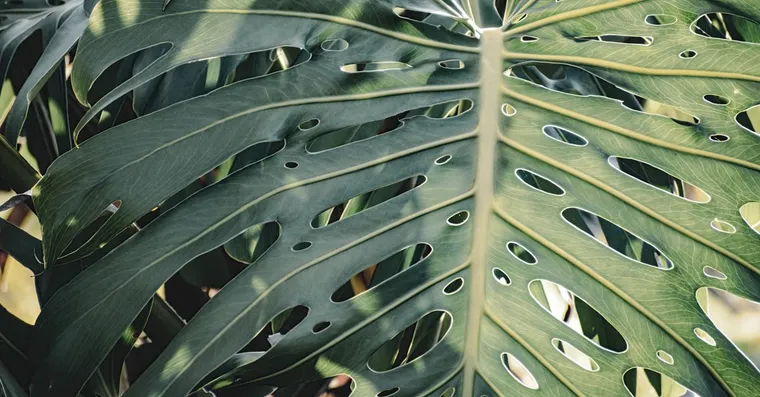
Best moss poles for climbing houseplants
Choosing a moss pole for monstera, pothos, and other climbers: sphagnum versus coir, extendable poles, and how to help aerial roots actually grab on.
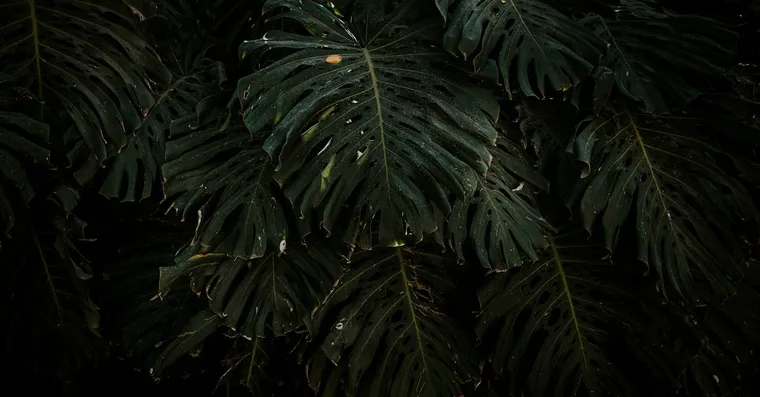
Moss Poles and Trellises: Supporting Climbing Houseplants
How to choose and attach moss poles or trellises so climbing plants like monstera and pothos grow bigger leaves and stay upright.
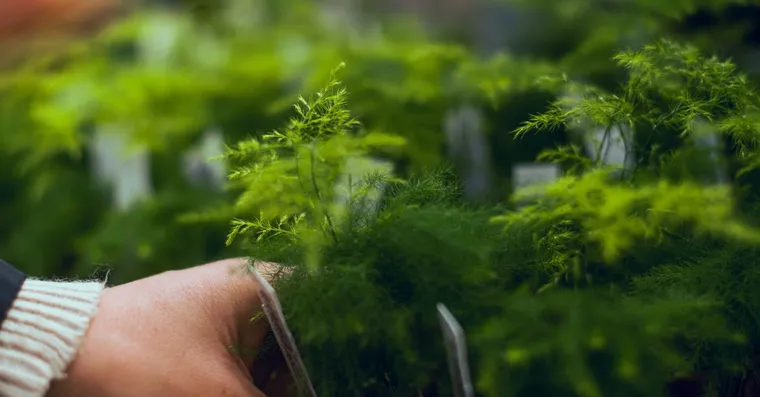
Asparagus Fern Care: Not a Fern, and It Has Thorns
Asparagus fern is not a fern, it is toxic to cats and dogs, and mature stems carry spines. Here is how to grow it and what to know first.
Not sure what plant you have? Identify it from a photo and we will point you at its care guide.