Bottom Watering Houseplants: How and When to Do It
How to water houseplants from the bottom, which plants it suits, and an honest take on whether bottom watering really beats watering from the top.
Some links in this guide go to Amazon. As an Amazon Associate we earn from qualifying purchases, at no extra cost to you. How this works.
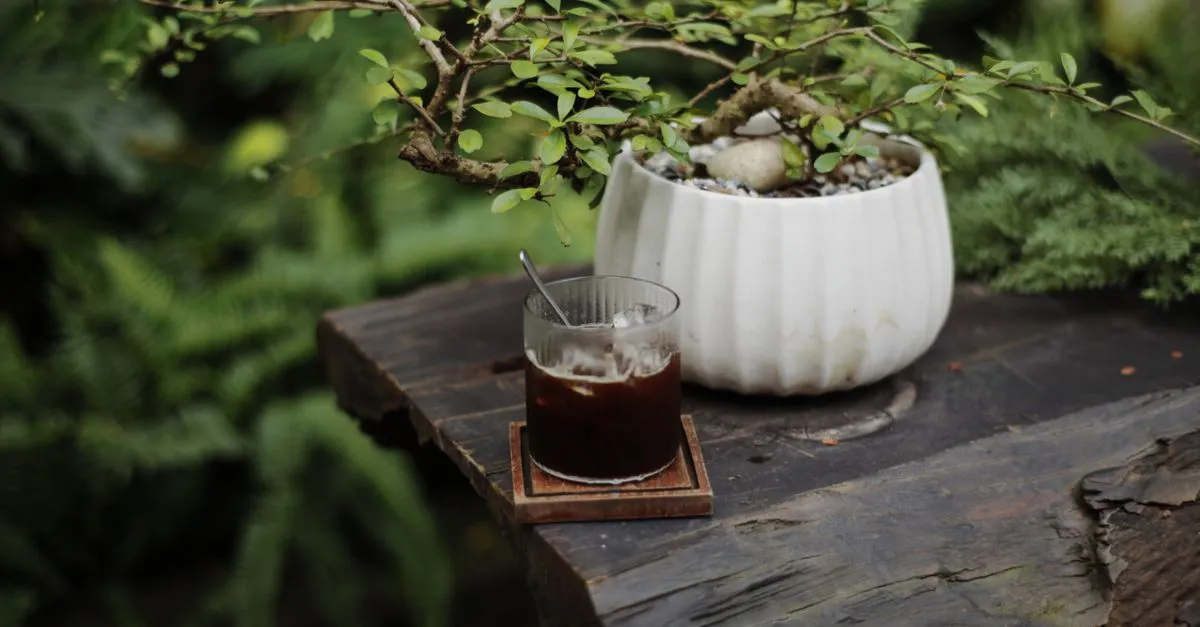
Bottom watering is simply watering from below: you stand the pot in a shallow tray of water and let the soil draw moisture up through the drainage hole instead of pouring it over the top. For some plants this solves real problems, and it is worth keeping in your routine. But bottom watering houseplants is not a cure for overwatering, and on its own it slowly creates a different problem, so think of it as one tool rather than a replacement for everything else.
How bottom watering actually works
Dry potting mix behaves like a sponge. When you set the base of the pot in water, the mix wicks moisture upward by capillary action until it is evenly damp from the bottom up. This matters because dense or peat-heavy mixes that have dried out often repel water from above: pour it on top and it runs straight down the sides and out, leaving the root ball in the middle bone dry. Watering from below sidesteps that by soaking the whole mix slowly and evenly.
How to do it, step by step
- Fill a tray, bowl, or sink with an inch or two (3 to 5 cm) of room-temperature water. Tepid is kinder to roots than cold from the tap.
- Stand the pot in the water so the drainage hole is submerged. A nursery pot with holes in the base works best; a decorative cover pot with no holes will not.
- Leave it for 10 to 30 minutes. Small pots drink quickly, large or very dry ones take longer. Check by pressing a finger into the top of the soil: when the surface feels damp, it has finished wicking.
- Lift it out and let it drain fully before returning it to its saucer. Tip away any water left in the tray. Sitting in leftover water is exactly the soggy condition you are trying to avoid.
If the surface still feels dry after 30 minutes, top up the tray and give it a little longer.
Which plants benefit most from bottom watering
Some plants gain more from this than others, roughly in this order.
Fuzzy or crinkled leaves. Plants like African violets develop spots and rot where water sits on their hairy leaves. Watering from below keeps the foliage dry. The same logic helps begonias and other plants that dislike wet leaves.
Plants with a fungus gnat problem. Gnats lay eggs in the moist top inch or two (3 to 5 cm) of soil. Keeping that surface layer drier while the roots below stay watered makes the pot far less inviting, which is why bottom watering is a standard part of getting rid of fungus gnats.
Dense, root-bound, or hydrophobic mixes. When water just sheets off the top and out the bottom, the roots never get a proper drink. Soaking from below rehydrates a stubborn root ball that top watering skips over.
What bottom watering will not do
Here is the honest part. Bottom watering does not protect against overwatering. Overwatering is about how often you water and how long roots stay wet, not which direction the water comes from. If you bottom water a plant every two days, you will rot the roots just as surely as if you poured it on top. The fix is still to wait until the plant actually needs water before you reach for the tray.
Watering from below changes how the water gets in, not how much your plant can cope with.
It also has a real downside. Fertilizer and mineral salts naturally accumulate in potting mix over time. Top watering flushes some of them out through the drainage hole. Bottom watering does the opposite: it pulls water and dissolved salts up and leaves them behind as the moisture evaporates. Over months this builds up, sometimes showing as a white crust on the soil and eventually as scorched, browning leaf tips.
You still need to top water sometimes
Because of that salt build-up, give any bottom-watered plant a thorough top watering every month or so. Run water through the mix from above until it pours freely from the drainage hole for several seconds, then let it drain. This rinses the accumulated salts out and resets the soil. It is the same idea covered in the general guide to watering houseplants, just applied as occasional maintenance.
Treat it as one tool in the rotation, not the whole routine
The single mistake to avoid is leaving a pot standing in the tray long after it has finished drinking, since that recreates the soggy roots you were trying to dodge. Keep bottom watering as your default for fuzzy-leaved plants and gnat-prone pots, but pencil in a proper top-watering flush roughly once a month so salts never get the chance to build up. Get that rhythm right and you keep the benefits without the brown leaf tips that catch people out months down the line.
Where to go next
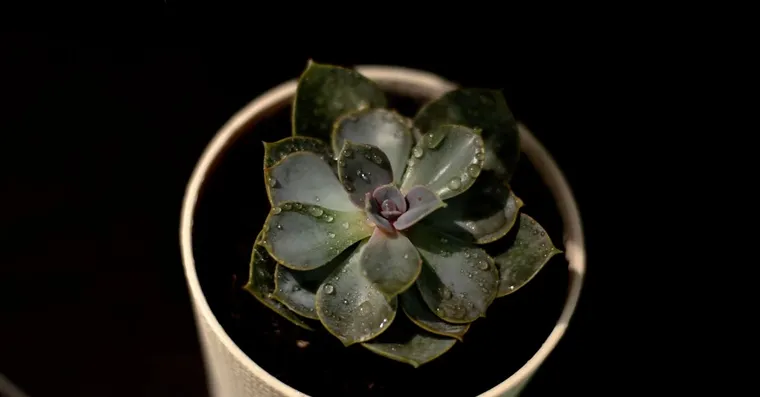
How Often Should You Water Succulents?
How to water succulents by season, soil, and pot rather than a fixed schedule, plus how to read the leaves for signs of thirst.
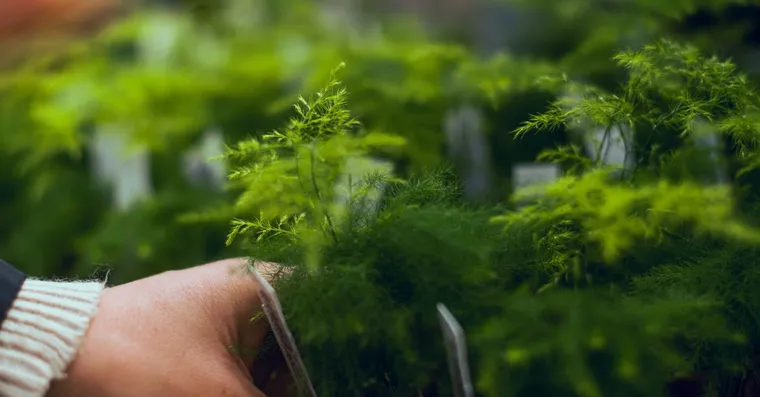
Asparagus Fern Care: Not a Fern, and It Has Thorns
Asparagus fern is not a fern, it is toxic to cats and dogs, and mature stems carry spines. Here is how to grow it and what to know first.
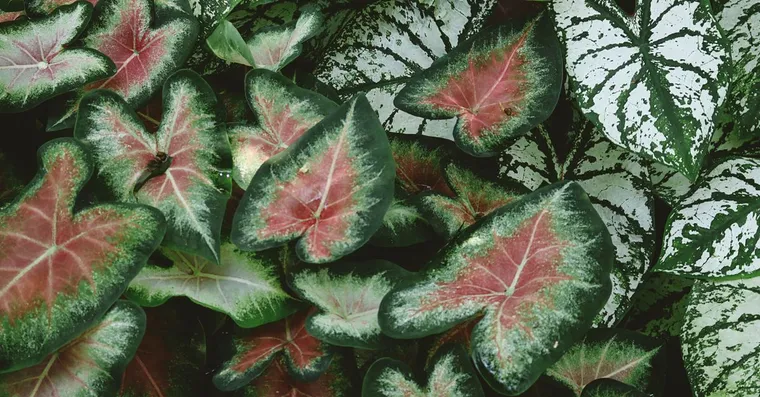
Caladium Care: Bright Leaves, Winter Dormancy, and Toxic Sap
Caladiums die back every winter and that is normal, not failure. Here is how to grow the tubers indoors and why they need care around pets.
Not sure what plant you have? Identify it from a photo and we will point you at its care guide.