Snake Plant Benefits, Bedroom Air, and Feng Shui Meaning
Snake plants get credit for cleaning air, releasing oxygen at night, and bringing good feng shui; here is what holds up and what is overstated.
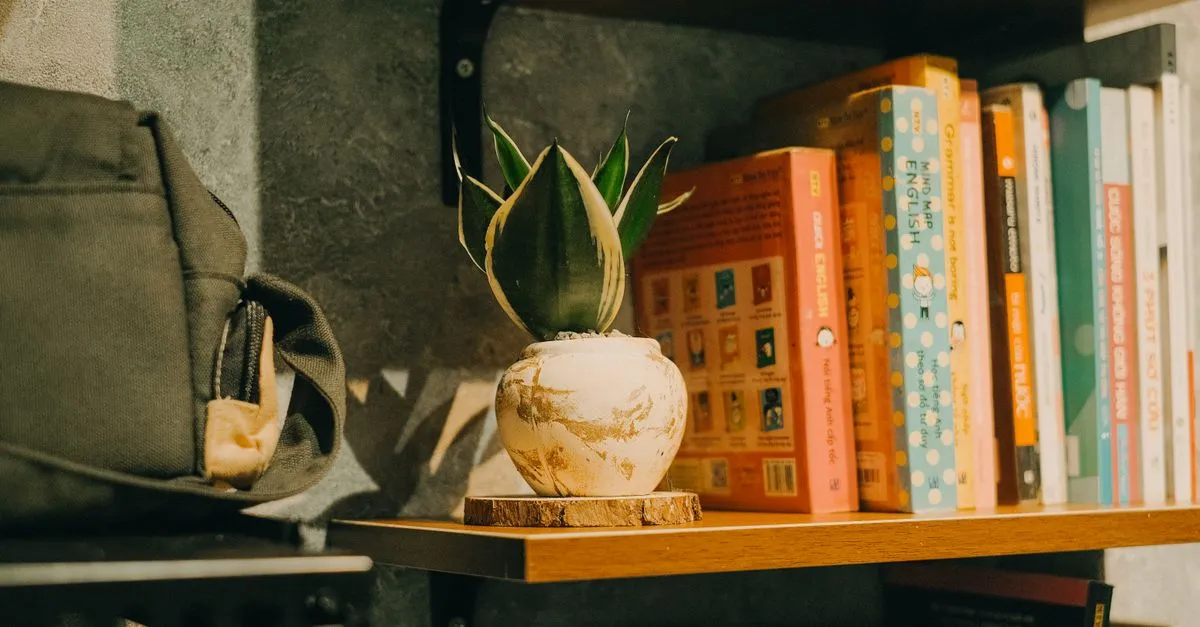
Search for snake plant benefits and you will find bold claims about purified air, deeper sleep, and good fortune drawn to your door. The honest version is simpler: the snake plant (Dracaena trifasciata, still widely sold as Sansevieria) is one of the toughest, most forgiving houseplants you can own, which makes it a genuinely good bedroom plant. Most of the wellness claims attached to it, though, are stretched well past what the evidence supports.
The air-purifying claim and the NASA study
Almost every “snake plant cleans your air” article traces back to a single source: NASA’s Clean Air Study from 1989. Researchers sealed common houseplants in small airtight chambers and measured how they removed volatile compounds like formaldehyde and benzene. The snake plant did reduce those chemicals, which is where its reputation comes from.
The catch is the setup. A sealed laboratory chamber is nothing like a bedroom with doors, gaps, and airflow. Later analyses of that data found you would need somewhere between 10 and 1,000 plants per square meter to match the air exchange of simply opening a window. In a normal room, ordinary ventilation dwarfs anything a few plants contribute. So the effect is real in a jar and effectively nil in your home. If clean indoor air is your actual goal, ventilation and a proper filter do the work; a plant does not. The honest picture is covered more fully in our look at air-purifying houseplants.
Nighttime oxygen and CAM metabolism
The second popular claim is that snake plants release oxygen at night, unlike most plants, so they improve the air while you sleep. This part has a real basis. Snake plants use CAM (crassulacean acid metabolism), a water-saving trick shared by many succulents. They keep their pores mostly closed during the hot day and open them at night to take in carbon dioxide, releasing a little oxygen as a side effect.
The amount, though, is tiny. A single plant produces a negligible fraction of the oxygen in a bedroom, far too small to measure or feel. The flip side is also reassuring: the old worry that a plant in the bedroom will steal your oxygen overnight is equally overblown. Keep one by the bed if you like it there. Just do not expect the air itself to change. If nighttime oxygen genuinely interests you, our guide to bedroom plants for nighttime oxygen goes deeper.
Feng shui and vastu placement
In feng shui, the snake plant’s stiff, upward leaves are read as protective, channelling energy upward and guarding against negativity. It is often placed near an entrance, in a home office, or in the wealth corner (the far left of a room from the doorway) to encourage steady growth and resilience.
Traditions disagree on the bedroom. Some practitioners love it there for its calm, upright presence; others avoid spiky plants in sleeping spaces, arguing the sharp leaves create cutting “sha” energy too close to rest. In vastu, the plant is usually recommended for eastern or southeastern spots and linked to positive, prosperous energy. Treat all of this as symbolism and intention rather than measurable effect. Placing a plant somewhere deliberately, and tending it, is a small ritual that can genuinely lift how a room feels to you, which is worth something even if no meter would register it. For a fuller layout, see where to place feng shui houseplants.
The snake plant benefits worth counting on
Strip away the inflated claims and a solid, boring list of real advantages remains, ranked by how much they matter day to day.
Near-impossible to kill. It shrugs off missed waterings, dry air, and neglect better than almost any houseplant, so it survives busy weeks and long holidays.
Genuinely low light tolerant. It holds its own in dim corners where most plants sulk, which makes it a real option for rooms with little natural light.
Calm, upright structure. The tall architectural leaves add greenery and a sense of order without sprawling, dropping mess, or demanding fuss.
Mild air contribution. Yes, it processes some compounds, but count this as a small bonus, not a reason to buy.
Keep a snake plant because it asks almost nothing of you, not because it will scrub your air.
One caution: the leaves are mildly toxic if chewed, so keep it out of reach of curious pets and small children.
Keeping one for the right reasons
Buy a snake plant for its easiness, its patience, and the way it fills an awkward low-light corner, not as an air purifier or a sleep aid. Those bigger promises do not hold up outside a sealed chamber, but the plant is still one of the best low-effort choices you can make. Set it somewhere you will enjoy seeing it, water it sparingly, and read our full snake plant care guide so the one real benefit, how little it needs, actually pays off.
Where to go next
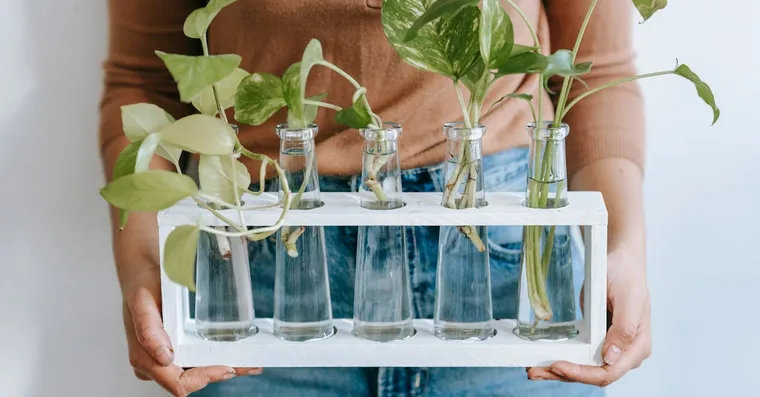
Pothos Plant Benefits: Air Quality, Feng Shui, and More
What pothos actually does for your home, covering air purifying claims, low effort greenery, and its place in feng shui, with an honest take.
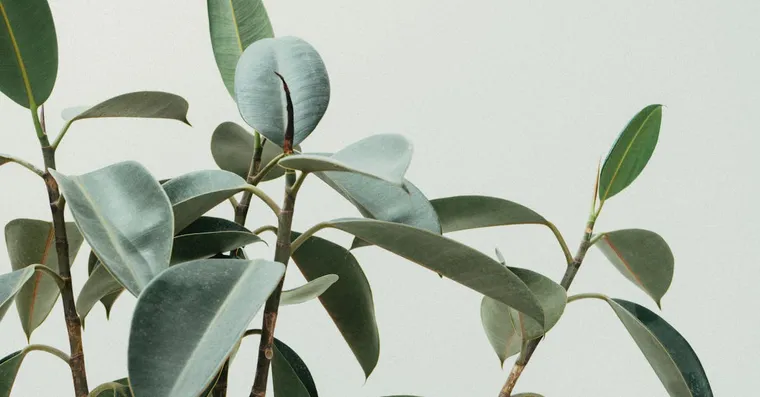
Rubber Plant Benefits and Feng Shui Placement
The real benefits of keeping a rubber plant indoors, plus what feng shui and vastu say about placement, including the south-east corner wealth position.
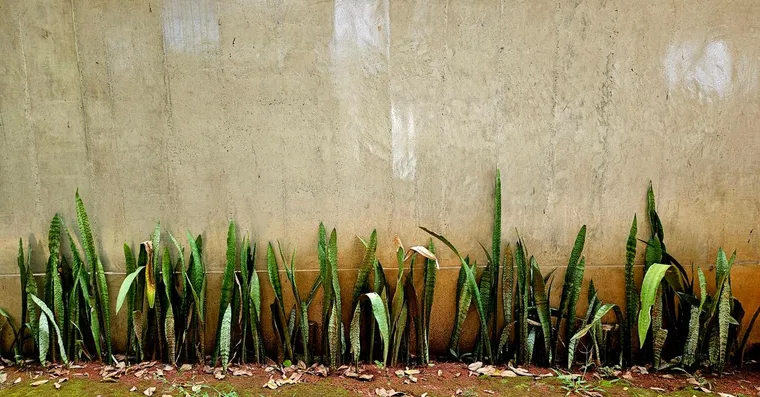
Why Are My Snake Plant Leaves Wrinkled or Shrivelled?
Wrinkled snake plant leaves usually mean the plant cannot take up water, which is more often root rot than thirst. Here is how to tell the two apart.
Not sure what plant you have? Identify it from a photo and we will point you at its care guide.
Frequently asked questions
Does a snake plant really purify the air?
Not in any way you would notice. The claim traces back to NASA's 1989 Clean Air Study, which sealed plants in small airtight chambers; later analyses found you would need somewhere between 10 and 1,000 plants per square meter to match the air exchange of simply opening a window. The effect is real in a jar and effectively nil in your home.
Do snake plants release oxygen at night?
Yes, but the amount is tiny. Snake plants use CAM metabolism, keeping their pores mostly closed by day and opening them at night to take in carbon dioxide, releasing a little oxygen as a side effect. A single plant produces a negligible fraction of a bedroom's oxygen, far too small to measure or feel.
Where should a snake plant go for good feng shui?
Its stiff, upward leaves are read as protective, so it is often placed near an entrance, in a home office, or in the wealth corner, the far left of a room from the doorway. Traditions disagree on the bedroom: some practitioners like its calm, upright presence there, while others avoid spiky plants in sleeping spaces.
What are the real benefits of a snake plant?
It is near-impossible to kill, genuinely tolerant of low light, and its tall architectural leaves add greenery without sprawling or fuss. It does process some airborne compounds, but count that as a small bonus rather than a reason to buy.
Sources
- Wolverton, B.C., Douglas, W.L. & Bounds, K. (1989). Interior Landscape Plants for Indoor Air Pollution Abatement. NASA. Snake plant (Sansevieria trifasciata) was among the houseplants tested for removal of benzene, formaldehyde and trichloroethylene.
- Cummings, B.E. & Waring, M.S. (2020). Potted plants do not improve indoor air quality: a review and analysis of reported VOC removal efficiencies. Journal of Exposure Science and Environmental Epidemiology 30(2):253. Found that 10 to 1000 plants per square metre of floor space would be needed to match the VOC removal that normal building ventilation already provides.
- ASPCA Animal Poison Control lists Snake Plant (Sansevieria trifasciata) as Toxic to Dogs and Toxic to Cats; toxic principles are saponins, with clinical signs of nausea, vomiting and diarrhea.