Best Bedroom Plants for Nighttime Oxygen
Some plants release oxygen at night instead of carbon dioxide. Here is what that actually means for your bedroom, and which plants to pick.
Some links in this guide go to Amazon. As an Amazon Associate we earn from qualifying purchases, at no extra cost to you. How this works.
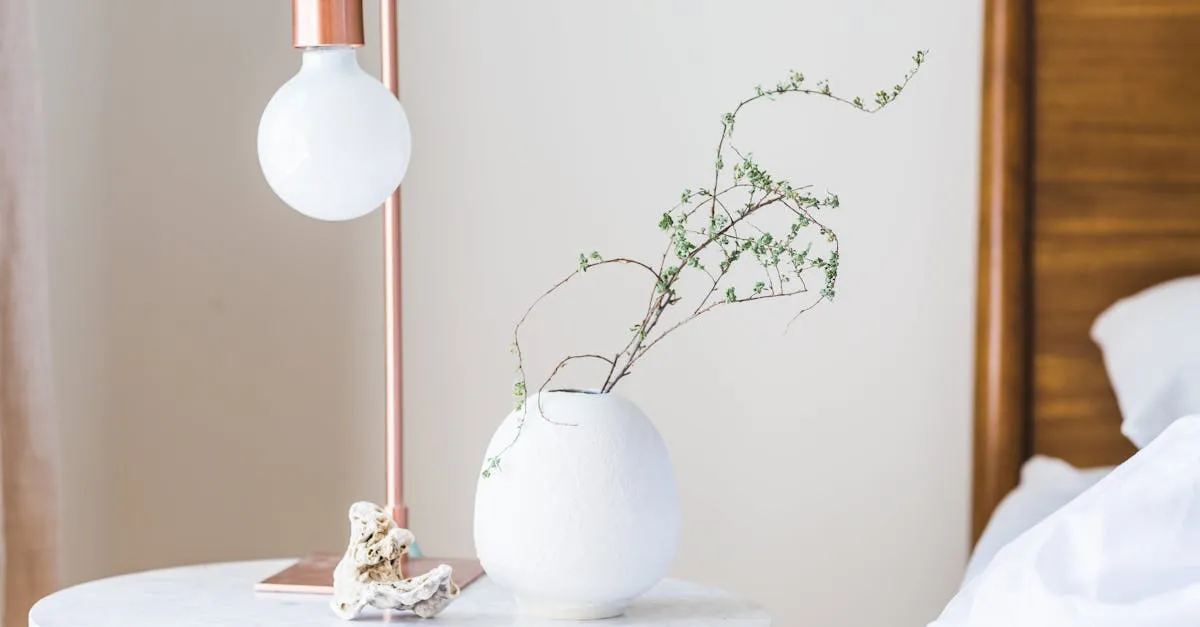
You may have read that certain plants release oxygen at night, making them ideal for the bedroom. The mechanism is real, and a few well-known houseplants do it. But the honest answer is that the amount of oxygen involved is far too small to change the air you breathe while you sleep. The better reason to keep these plants in a bedroom is simpler: they are easy, they cope with low light, and they look calm.
What “nighttime oxygen” actually means
Most plants open the pores on their leaves during the day. They take in carbon dioxide, use sunlight to make sugars, and release oxygen as a by-product. At night, with no light, that process stops.
A smaller group of plants works differently. They use a system called crassulacean acid metabolism, or CAM. To save water in hot, dry conditions, these plants keep their leaf pores shut during the heat of the day and open them at night instead. They take in carbon dioxide after dark, store it as an acid, and process it the next day. A side effect of opening their pores at night is that they release a little oxygen then too.
CAM is common in plants adapted to drought: most succulents, the snake plant, aloe vera, and many orchids and bromeliads. That drought adaptation is also why these plants are so forgiving indoors.
Why the oxygen claim does not hold up
The volume of gas a houseplant exchanges is tiny. A sleeping adult breathes through hundreds of liters of air an hour and steadily releases carbon dioxide. A potted plant on the nightstand releases a trace of oxygen by comparison. To shift the oxygen level in a closed bedroom in any measurable way, you would need a dense indoor jungle, not one or two plants.
A snake plant by the bed will not change the air you breathe, but it is still a good plant to have there.
The same caution applies to air purifying. The famous studies showing plants remove toxins were done in sealed laboratory chambers, not normal rooms with doors, windows, and airflow. It is worth keeping expectations realistic here too, which we cover in Do Houseplants Actually Purify the Air?. Believe the part of the science that holds: these plants are calming to look at and easy to live with. That is reason enough.
CAM plants worth putting in a bedroom
These are ranked by how easy they are to keep alive, which is what matters most for a room you are not always tending. In this guide: Snake plant · ZZ plant · Aloe vera · Bromeliads · Orchids.
Snake plant
The most forgiving option. It tolerates low light, irregular watering, and dry air, so a bedroom with a single curtained window suits it well. Water only when the soil is fully dry. See Snake Plant Care for the details.
ZZ plant
Nearly as tough as a snake plant and happy in low light. Its glossy leaves stay tidy without pruning, and it shrugs off weeks of neglect. A solid choice if your bedroom gets little direct sun.
Aloe vera
A CAM succulent that wants more light than the two above, so it needs a spot near a window. It is otherwise low effort and rarely needs watering. Full guidance is in Aloe Vera Care.
Bromeliads
Many are CAM plants, and they bring color without needing strong light. They prefer a little humidity, so they suit a bedroom more than a parched living room.
Orchids
Phalaenopsis orchids, the common supermarket type, use CAM. They are not as hands-off as a snake plant, but they cope with indoor light and reward you with long-lasting flowers.
If your bedroom is genuinely dark, choose from the snake plant and ZZ plant first. For more options that survive poor light, see 7 Low-Light Houseplants That Actually Survive.
Setting up a bedroom plant well
Light. Match the plant to the room you actually have, rather than the room you wish you had. Most bedrooms get soft, indirect light, which suits a snake plant or ZZ plant. Check what your window offers with How Much Light Does Your Houseplant Actually Need?
Watering. The most common way to kill these plants is overwatering. CAM succulents store water and want their soil to dry out fully between drinks. When in doubt, wait.
Pets and children. Snake plants, aloe vera, and ZZ plants are mildly toxic to cats and dogs if chewed. If a pet sleeps in the room, check Pet-Safe Houseplants before deciding. The same caution applies to small children; houseplants and babies covers how to make a bedroom safe for young ones alongside your plants.
Choose for the light you have, not the oxygen claim
The mistake to avoid is buying one of these plants for a benefit it cannot deliver, then standing it in a corner too dark to keep it alive. Match the plant to your real light first, lean on the snake plant or ZZ plant if the room is dim, and water only once the soil has dried out fully. Judge it on how calm the room feels rather than the air you breathe, and add any further greenery slowly so you can see what each spot will actually support.
Where to go next
Are Houseplants Actually Good for Your Health?
A clear, honest summary of what houseplants do and do not do for your health, from air quality and humidity to mood, sorting the real benefits from the hype.
7 Best Air-Purifying Houseplants, and the Honest Truth
These seven plants top the air-purifying lists, but the honest truth is the effect in a real home is tiny. Here is what to grow and what to actually expect.
Houseplants for a Better Night's Sleep
Plants will not sedate you, but the right ones make a bedroom calmer, lower-maintenance, and easier to keep dark and restful.
Not sure what plant you have? Identify it from a photo and we will point you at its care guide.
Frequently asked questions
Do plants release oxygen at night?
Some do. Most plants open their leaf pores by day and shut them after dark, but plants using crassulacean acid metabolism, or CAM, reverse that to save water: they open their pores at night, take in carbon dioxide, and release a little oxygen as a side effect. The mechanism is real. The volume is not. A sleeping adult breathes through hundreds of liters of air an hour, so a plant on the nightstand releases a trace by comparison.
Which houseplants release oxygen at night?
Mostly drought-adapted plants: the snake plant, ZZ plant, aloe vera, bromeliads and Phalaenopsis orchids, the common supermarket type. CAM is the trait they share and it is common in succulents. That same drought adaptation is why they are so forgiving indoors, which is the better reason to pick one. Ranked by how easy they are to keep alive, the snake plant comes first and the ZZ plant is close behind.
What is the best plant for a dark bedroom?
The snake plant or the ZZ plant. Both tolerate low light, irregular watering and dry air, so a bedroom with a single curtained window suits them. The ZZ plant shrugs off weeks of neglect and its glossy leaves stay tidy without pruning. Water either one only once the soil is fully dry, because overwatering is the most common way to kill them. Match the plant to the light you actually have, not the light you wish you had.
Are bedroom plants safe around pets?
The three easiest picks are not. Snake plants and aloe vera are both toxic to cats and dogs if chewed, and the ZZ plant is toxic if ingested too, which is awkward, because those three are also the most likely to survive a dim bedroom. So the safety question and the convenience question pull against each other. If a pet sleeps in the room, check a pet-safe houseplant list before deciding, and apply the same caution with small children.
Sources
- Wolverton, B. C., Johnson, A. & Bounds, K. (1989). Interior Landscape Plants for Indoor Air Pollution Abatement. NASA Technical Memorandum, John C. Stennis Space Center.
- Cummings, B. E. & Waring, M. S. (2020). Potted plants do not improve indoor air quality: a review and analysis of reported VOC removal efficiencies. Journal of Exposure Science & Environmental Epidemiology, 30, 253-261.