Houseplants for a Better Night's Sleep
Plants will not sedate you, but the right ones make a bedroom calmer, lower-maintenance, and easier to keep dark and restful.
Some links in this guide go to Amazon. As an Amazon Associate we earn from qualifying purchases, at no extra cost to you. How this works.
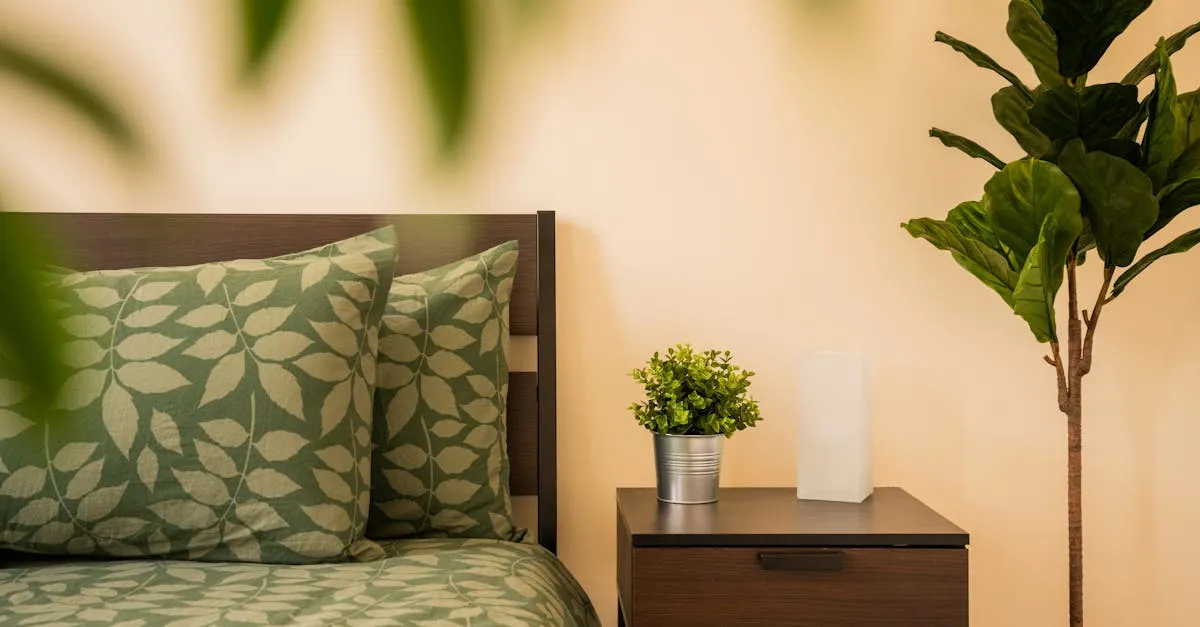
No houseplant will put you to sleep. There is no plant with a proven sedative effect, and the popular claim that lavender scent improves sleep rests on small, mixed studies at best. What plants can do is make a bedroom feel calmer and less cluttered, and tending greenery has a modest, real link to lower stress. That is the honest case for bedroom plants, and it is enough to make the right choices worthwhile.
What the evidence actually supports
It helps to separate what is real from what is marketing. The “NASA study” often cited for air purification was run in sealed lab chambers, and the plant density needed to clean a normal bedroom would fill the floor. You can read the fuller picture in Do Houseplants Actually Purify the Air? and Best Bedroom Plants for Nighttime Oxygen.
What does hold up is gentler. Spending time around plants and looking after them is associated with small reductions in stress and a better sense of calm, covered in Can Houseplants Reduce Stress?. A tidy, green, well-kept room is easier to wind down in than a bare or cluttered one. Choose plants for that effect, not for a health claim, and you will not be disappointed.
How to choose a plant for the bedroom
A bedroom asks more of a plant than a living room does, because it is often darker, you do not want to fuss over it, and you sleep beside it. Rank these criteria roughly in this order.
Low light tolerance. Most bedrooms get less light than you think, especially with curtains. Pick a plant that copes with low or indirect light so it does not slowly decline. How Much Light Does Your Houseplant Actually Need? helps you judge what your room actually offers.
Low maintenance. A bedroom plant should survive irregular watering and the odd missed week. Forgiving plants stay healthy with less attention, which means fewer pest problems and less mess.
No strong fragrance. A scented plant in a small, closed room can become tiring rather than soothing. Skip heavily perfumed flowering plants near the bed.
Low pollen. If you are sensitive, avoid heavy-pollen flowering plants. Foliage plants release almost nothing. See Houseplants and Allergies: What Helps and What to Avoid.
Pet and child safety. Many common houseplants are mildly toxic if chewed. If a cat, dog, or small child shares the room, check Pet-Safe Houseplants: A Guide for Cat and Dog Owners before you buy.
A tidy habit. Avoid plants that constantly drop leaves or need misting. Damp, messy soil also invites fungus gnats, which you do not want hovering near your pillow.
Plants that fit a bedroom well
These four meet most of the criteria above. They are ranked from most to least forgiving.
Snake plant. The strongest all-round choice: it tolerates low light, shrugs off missed watering, has no fragrance, and stays neat. Snake Plant Care covers it fully. Note it is mildly toxic to pets.
ZZ plant. Nearly as tough, with glossy foliage and the same indifference to low light and irregular care. See ZZ Plant Care. Also mildly toxic if chewed.
Pothos. A trailing plant that handles low light and bounces back from underwatering. It is easy to keep tidy on a shelf. How Often Should You Water a Pothos? keeps it simple.
Peace lily. The one flowering option here, with white blooms and no real scent. It tolerates lower light but droops dramatically when thirsty, so it suits you only if you will notice. Peace Lily Care explains the watering rhythm.
Pick the plant your room and your habits can sustain, not the one a list told you cleans the air.
What to avoid near the bed
Some popular plants are a poor bedroom match. Skip heavily fragrant flowering plants like jasmine or gardenia, which can overwhelm a small space. Avoid high-pollen bloomers if you have allergies. Steer clear of plants that demand bright light or constant humidity, such as the fiddle leaf fig: a struggling plant in poor light just becomes a chore. And if anyone in the room is likely to chew leaves, treat every toxic plant as off limits regardless of how well it grows.
Start with one plant, not a windowsill full
The common mistake is buying three or four at once to chase an air-quality benefit that was never really there, then resenting the watering. Begin with a single snake plant on a chest of drawers, give it whatever light the room has, and leave it for two weeks before deciding you want another. If the room feels a little calmer and the plant still looks well after a few missed waterings, you have chosen correctly and can add a second.
Where to go next
Houseplants and Vastu: Where to Place Plants for Good Energy
A plain guide to placing houseplants by Vastu Shastra, which directions and rooms it favours, with an honest note on what the tradition actually promises.
Why Are Houseplants So Popular Right Now?
A look at why houseplants exploded in popularity, from real wellbeing benefits and small space living to social media, and what is hype versus genuine.
Houseplants for Anxiety: Which Plants Help and Why
Whether houseplants genuinely help with anxiety, what the evidence shows, which plants people find most calming, and how to use plants to create a calmer space.
Not sure what plant you have? Identify it from a photo and we will point you at its care guide.
Sources
- Wolverton, B. C., Johnson, A. & Bounds, K. (1989). Interior Landscape Plants for Indoor Air Pollution Abatement. NASA Technical Memorandum, John C. Stennis Space Center.
- Cummings, B. E. & Waring, M. S. (2020). Potted plants do not improve indoor air quality: a review and analysis of reported VOC removal efficiencies. Journal of Exposure Science & Environmental Epidemiology, 30, 253-261.
- Lee, M. S., Lee, J., Park, B. J. & Miyazaki, Y. (2015). Interaction with indoor plants may reduce psychological and physiological stress by suppressing autonomic nervous system activity in young adults: a randomized crossover study. Journal of Physiological Anthropology, 34, 21.