Can Houseplants Reduce Stress?
This is the one wellbeing claim with reasonable evidence behind it. Here is what the research shows and how to get the benefit.
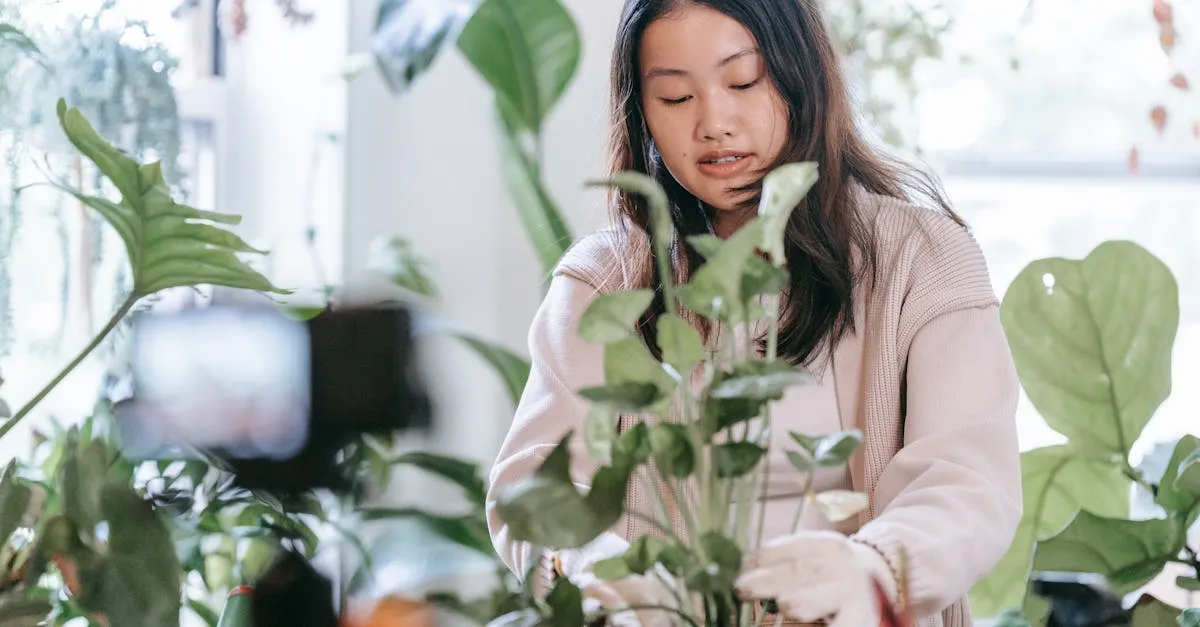
Houseplants can genuinely help with stress, but the honest answer is more modest than most plant blogs suggest. The research points to a small, real effect: being around indoor greenery, and especially actively tending it, is linked to lower stress and slightly better mood. That benefit is easy to lose, though, because a struggling plant you feel guilty about can quietly become another thing to worry about.
What the research actually shows
The evidence here is better than the air-purifying claims, which mostly fall apart outside sealed laboratory chambers. Several lines of research support a genuine, if limited, stress effect.
Active interaction with plants. A frequently cited Japanese study found that participants who repotted a plant showed lower blood pressure and reported feeling more comfortable and soothed than those doing a computer task. The hands-on, undemanding nature of the activity seems to matter.
Greenery in view. Studies in offices and hospitals link visible plants to lower reported stress and faster recovery from minor strain. This draws on attention-restoration theory: natural scenes give your focused attention a rest, which leaves you feeling less depleted.
The honest limits. Most of these studies are small, short-term, and run in controlled settings. Effect sizes are modest, and self-reported mood is easy to influence. Plants are not a treatment for anxiety or a clinical condition, and no serious researcher claims they are. What the evidence supports is a gentle nudge, not a cure. For a closer look at specific species and the reasoning behind their calming reputation, see houseplants for anxiety relief.
Why a struggling plant can backfire
The stress benefit assumes the plant is doing reasonably well. If it is dropping leaves, wilting, or covered in pests, caring for it stops being restorative and becomes a low-grade source of guilt and frustration.
This is the single most important point in this article. A reader who buys a fiddle leaf fig hoping to feel calmer, then spends weeks anxious about brown leaf tips, has made things worse, not better. The route to the benefit is choosing plants that are hard to fail with.
A plant only calms you if keeping it alive feels easy.
Choose plants you almost cannot kill
For stress relief specifically, forgiveness matters more than looks. Start with plants that tolerate neglect and irregular care.
Snake plant. It handles low light, infrequent watering, and being ignored for weeks. See snake plant care for the basics.
ZZ plant. Near-indestructible, stores water in its roots, and copes with dim corners. The ZZ plant guide covers it.
Pothos. Fast, trailing, and quick to tell you when it is thirsty by drooping, then recovering once watered.
Heartleaf philodendron. Similar to pothos, very forgiving, and happy in average indoor light.
If you are unsure, the best houseplants for beginners and low-light houseplants that actually survive are both reasonable starting points. Avoid demanding plants until your confidence is built.
Put plants where you will actually see them
The in-view benefit only works if the plant is in view. A plant on a high shelf in a spare room does little for your day.
Place plants where you spend real time and where your eyes naturally rest: beside the sofa, on the desk you work at, on a windowsill you pass often. If you work from home, the best houseplants for a home office covers placement near a screen. Match the plant to the light the spot offers rather than the spot you wish worked, since a plant slowly failing in a dark corner undoes the point. Our guide to how much light houseplants need helps you judge this.
Treat watering as a small ritual
The active-interaction research suggests the calm comes partly from the doing, not just the having. You can lean into this deliberately.
Keep watering simple and unhurried. Check the soil with a finger, water slowly, wipe a dusty leaf, look the plant over for a minute. Done without rushing, this becomes a brief, low-stakes pause in the day, the same quality the repotting study was measuring. The goal is not a perfect routine but a calm one, so avoid turning it into a strict schedule you can fall behind on.
Start with one plant, not a collection
The quickest way to lose the calming effect is to buy several plants at once and turn them into a list of chores. Pick a single forgiving one, put it somewhere you will see it every day, and let caring for it stay easy for a few weeks before you add another. If that first plant fades into the background as something pleasant rather than something owed, you have got the balance right.
Where to go next
Houseplants for Anxiety: Which Plants Help and Why
Whether houseplants genuinely help with anxiety, what the evidence shows, which plants people find most calming, and how to use plants to create a calmer space.
Houseplants and Mental Health: What Caring for Plants Does
An honest look at houseplants and mental health, what the research says about mood, stress, and routine, and why the act of caring for a plant matters most.
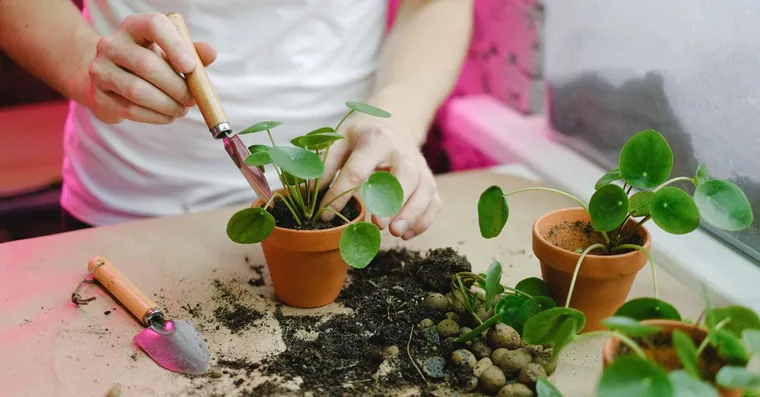
Houseplants and Vastu: Where to Place Plants for Good Energy
A plain guide to placing houseplants by Vastu Shastra, which directions and rooms it favours, with an honest note on what the tradition actually promises.
Not sure what plant you have? Identify it from a photo and we will point you at its care guide.
Sources
- Lee, M. S., Lee, J., Park, B. J. & Miyazaki, Y. (2015). Interaction with indoor plants may reduce psychological and physiological stress by suppressing autonomic nervous system activity in young adults: a randomized crossover study. Journal of Physiological Anthropology, 34, 21.
- Kaplan, S. (1995). The restorative benefits of nature: Toward an integrative framework. Journal of Environmental Psychology, 15(3), 169-182.
- Raanaas, R. K., Evensen, K. H., Rich, D., Sjostrom, G. & Patil, G. (2011). Benefits of indoor plants on attention capacity in an office setting. Journal of Environmental Psychology, 31(1), 99-105.