Houseplants for Anxiety: Which Plants Help and Why
Whether houseplants genuinely help with anxiety, what the evidence shows, which plants people find most calming, and how to use plants to create a calmer space.
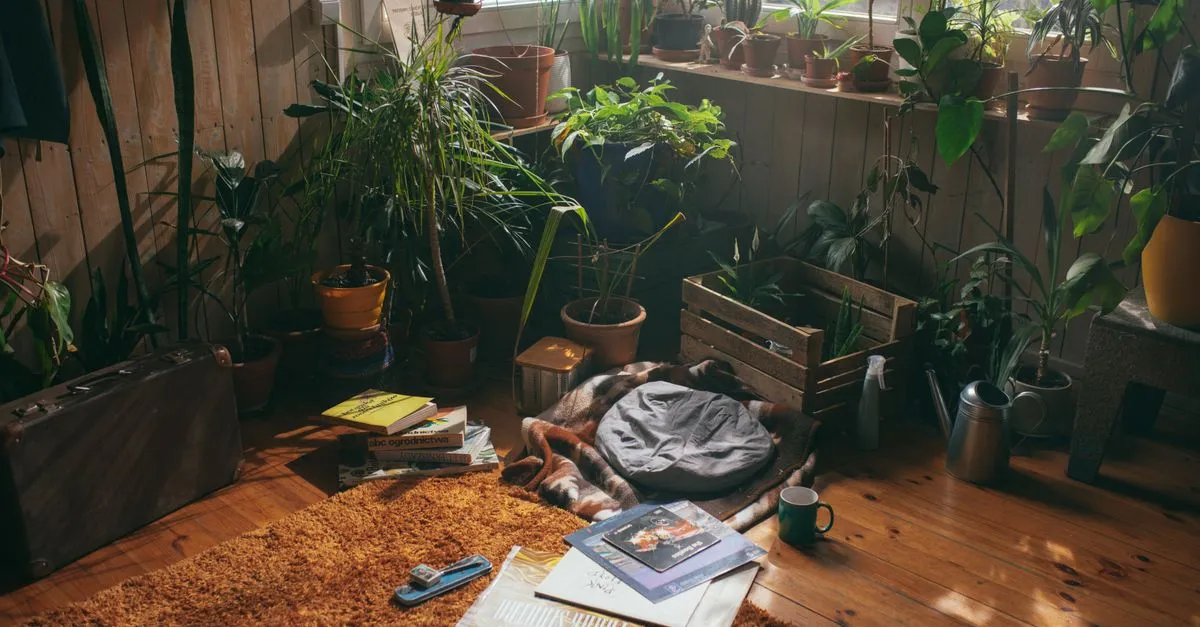
If you are searching for houseplants for anxiety, here is the honest answer first: no plant works like medicine, and there is no evidence that a single species lowers anxiety in a measured, repeatable dose. What the research does support is quieter and still real. Being around greenery calms the body, and the simple act of caring for a plant can steady an anxious mind.
What the science actually says
The evidence is strongest at the level of nature in general, not any one plant.
Stress hormones and arousal drop. Studies on contact with indoor greenery show measurable falls in physiological stress: lower heart rate, lower blood pressure, and reduced cortisol. Your body reads a green space as safe, and it settles.
Indoor plants reduce psychological stress. A 2015 randomized crossover study in the Journal of Physiological Anthropology found that interacting with indoor plants lowered psychological and physiological stress in young adults by reducing autonomic nervous system activity. The effect was real, even if modest.
Horticultural therapy is used in real clinics. Hospitals, care homes, and mental health units run structured planting programmes because the results are reliable: lower reported stress and improved mood among participants.
The mechanism is partly attention. Attention Restoration Theory holds that a natural scene asks for a soft, effortless kind of focus, which lets the brain’s directed-attention system recover from fatigue. Anxiety drains that same system, so a few minutes with a leafy plant gives it somewhere gentle to rest. The wider case is laid out in can houseplants reduce stress.
Which houseplants help with anxiety
There is no ranking of species by calming power, so the list below is ordered by what matters most in practice: a plant you can actually keep alive.
A plant you can care for. This is the real answer. A plant you keep healthy gives you a small, repeatable win and a sense of competence, which is worth more to an anxious mind than any specific leaf. Start here.
Snake plant. Near indestructible, happy in low light, and forgiving if you forget it. Low demands mean low worry, which is the point.
Pothos. Fast, trailing, and visibly responsive to good care, so you see the reward quickly. It roots in a glass of water if you want to watch something grow.
Peace lily. It tells you plainly when it needs water by drooping, then perks up within hours, which makes the feedback loop satisfying rather than stressful. See peace lily care for the watering rhythm.
Lavender. Often recommended for its scent, and the fragrance genuinely relaxes some people. Be honest with yourself though: lavender wants more direct sun and airflow than most rooms offer, and a struggling plant adds stress rather than removing it.
The best plant for your anxiety is not a particular species, it is the one you can keep alive without it becoming one more thing to worry about.
Why the routine matters more than the plant
The anxiety-specific benefit is less about the plant and more about what tending it asks of you.
It anchors you to the present. Checking a leaf, feeling the soil, pouring water: these are small sensory tasks that pull attention out of anxious loops and into the here and now. That is mindfulness practice, even if you never call it that.
It creates a sense of control. Anxiety often feels like things happening to you. A plant is a small system you can influence directly, and watching it respond restores a feeling of agency.
It builds a gentle rhythm. A weekly watering round is a low-stakes routine that gives shape to a day without demanding much. Routines are steadying, and this one ends with something alive and well.
This is the same reason plants earn their place on a desk. If you work from home, greenery within view can take the edge off a tense afternoon, as covered in houseplants and mental health and our guide to the best houseplants for a home office.
What a houseplant cannot do
Be clear about the limits. A houseplant will not treat clinical anxiety, and it is no substitute for therapy, medication, or a doctor’s advice when you need them. If anxiety is interfering with your daily life, speak to a professional. A plant sits alongside that care, not in place of it. Within those limits, the calming effect of greenery is real, well documented, and growing in the research.
Start with one plant, not a whole shelf
The common mistake is buying half a dozen plants at once to build an instant calm corner, then feeling swamped when several start to struggle and the project becomes one more worry. Pick a single forgiving plant, a snake plant or a pothos, keep it alive for a month, and let the small habit of tending it settle before you add anything else. If the low mood does not ease over those weeks, treat that as a cue to reach for proper support rather than another plant.
Where to go next
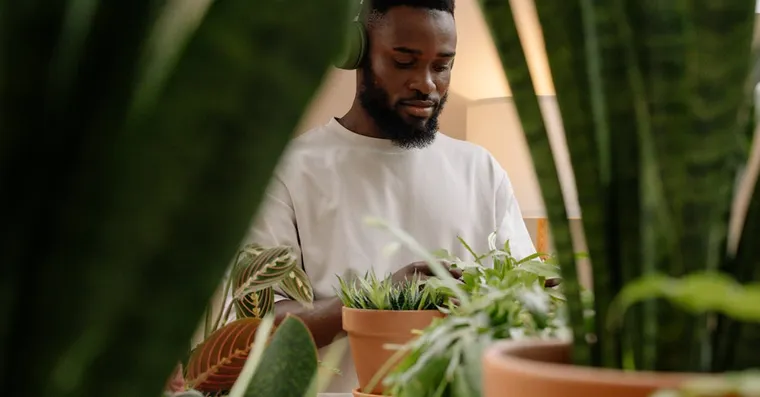
Houseplants and Mental Health: What Caring for Plants Does
An honest look at houseplants and mental health, what the research says about mood, stress, and routine, and why the act of caring for a plant matters most.
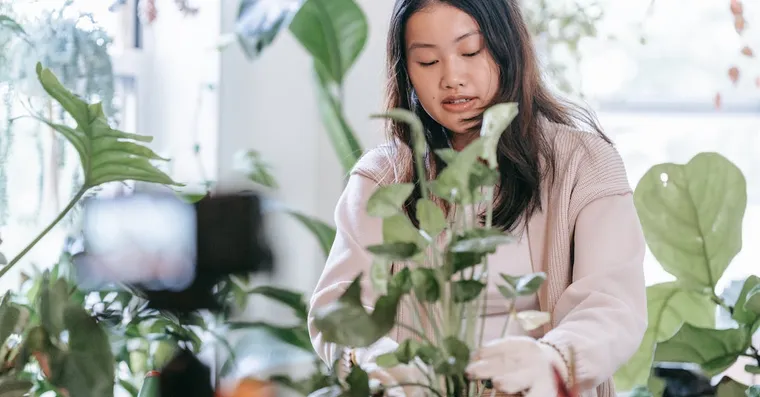
Can Houseplants Reduce Stress?
This is the one wellbeing claim with reasonable evidence behind it. Here is what the research shows and how to get the benefit.
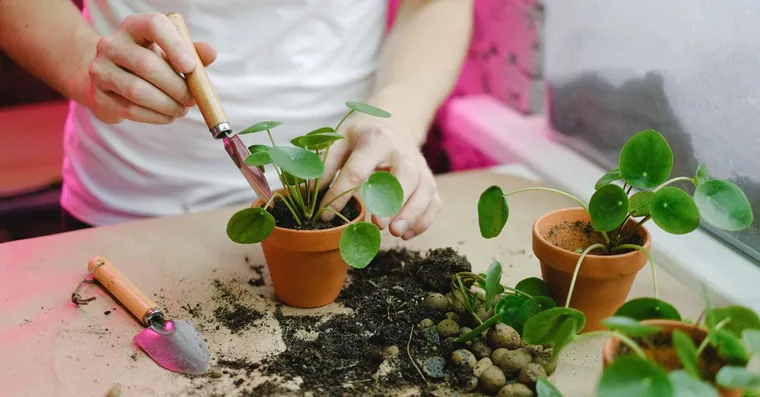
Houseplants and Vastu: Where to Place Plants for Good Energy
A plain guide to placing houseplants by Vastu Shastra, which directions and rooms it favours, with an honest note on what the tradition actually promises.
Not sure what plant you have? Identify it from a photo and we will point you at its care guide.
Sources
- Lee, M. S., Lee, J., Park, B. J. & Miyazaki, Y. (2015). Interaction with indoor plants may reduce psychological and physiological stress by suppressing autonomic nervous system activity in young adults: a randomized crossover study. Journal of Physiological Anthropology, 34, 21.
- Kaplan, S. (1995). The restorative benefits of nature: Toward an integrative framework. Journal of Environmental Psychology, 15(3), 169-182.