Houseplants and Vastu: Where to Place Plants for Good Energy
A plain guide to placing houseplants by Vastu Shastra, which directions and rooms it favours, with an honest note on what the tradition actually promises.
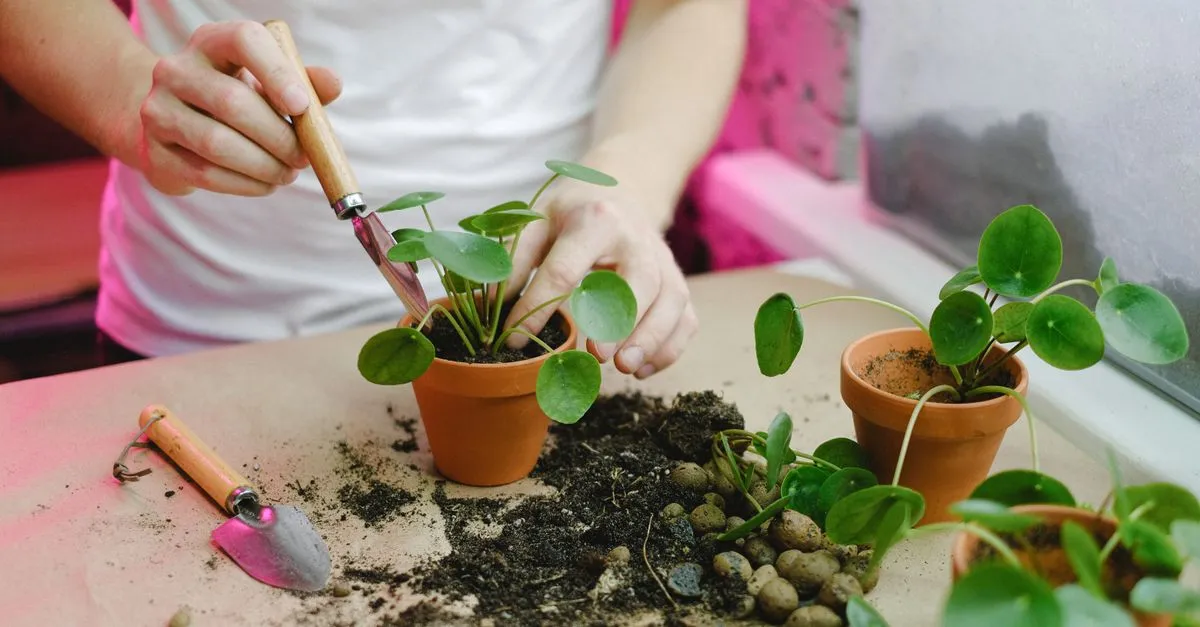
Vastu Shastra is an old Indian system for arranging a home so its rooms feel ordered and calm, and plants have long had a place in it. The honest answer first: there is no scientific evidence that the same plant brings more wealth or peace from one corner than another. Think of houseplants and Vastu as a cultural and design tradition you can follow for meaning and intention, then put each plant where it will get the light it actually needs.
What Vastu says about houseplants
Vastu maps your home onto the compass and assigns a quality to each direction, much as feng shui does in the Chinese tradition. Greenery is seen as living, growing energy, so healthy plants are encouraged in most of the home and tired or dying ones are not. The system is prescriptive about where things go, but none of it has been tested or shown to change luck or mood. What it does offer is a reason to place plants deliberately rather than at random, and a nudge to keep them thriving, which is never bad advice.
Favoured directions for plants
Ranked from the most widely agreed to the more particular:
East and north. These get gentle morning light and are linked with growth and prosperity, so they suit most leafy plants. They are the safest, least contested choices.
Northeast. Treated as the most sacred corner. Keep it light and uncluttered with small plants only, and many place a tulsi here.
Southeast. Associated with wealth and the element of fire. This is the classic spot for a money plant, the Indian name for pothos.
Heavier south and west corners can hold taller, sturdier plants, which keeps the lighter directions open.
Lucky plants in Vastu
Money plant (pothos). The best known of all. It is an easy trailing pothos that grows almost anywhere indoors, which is half the reason it earned its lucky reputation.
Tulsi (holy basil). A sacred plant in many Indian homes, usually grown in the northeast or near an entrance. It needs several hours of direct sun, so a bright sill is essential.
Lucky bamboo. Not bamboo at all but a dracaena, often arranged by stalk count and grown in water.
Jade and snake plant. Both are valued for steady, rounded or upright growth and are forgiving to keep.
These are good plants on their own merits, which matters more than the symbolism.
Where Vastu says not to put plants
Thorny plants and cacti indoors. Spines are read as sending out sharp, hostile energy. This is the most repeated rule.
Dead, drooping, or dusty plants. A struggling plant is thought to drag the room down. Remove it or revive it.
The bedroom and the exact center of the home. Many traditions keep the central space open and limit plants where you sleep.
None of this stops a cactus from being a fine, low-care plant. Follow the rules if they appeal to you, and drop the ones that do not.
A plant placed for good energy but starved of light is just a dying plant in a lucky corner.
Light comes before direction
This is where Vastu and plant care can pull against each other. A money plant tolerates low light, but a tulsi will not flower or even survive without several hours of sun, so a dim northeast corner will kill it whatever the tradition says. Before you commit a plant to a Vastu position, check the light that spot actually gets and choose a plant that suits it. If a favoured direction is too dark, move the plant nearer the window or pick a tougher species rather than watch a symbolic plant decline.
Pair each Vastu spot with the plant that suits its light
The one mistake to avoid is forcing a symbolic plant into a corner that cannot sustain it, then blaming the direction when it fails. Walk your home at the time of day you are usually there, note which favoured spots actually catch light, and match each to a plant that wants those conditions: a pothos for the dim corners, a tulsi only where real sun reaches. Done that way, the tradition gives you a reason to place plants with care, and the plants reward you by staying alive.
Where to go next
Why Are Houseplants So Popular Right Now?
A look at why houseplants exploded in popularity, from real wellbeing benefits and small space living to social media, and what is hype versus genuine.
Houseplants for Anxiety: Which Plants Help and Why
Whether houseplants genuinely help with anxiety, what the evidence shows, which plants people find most calming, and how to use plants to create a calmer space.
Houseplants for Kids: Easy Plants That Children Can Grow
The best houseplants to grow with children, what makes a plant child-friendly, and how to pick something engaging, safe, and hard to kill.
Not sure what plant you have? Identify it from a photo and we will point you at its care guide.