Feng Shui Houseplants: Where to Place Them
How feng shui treats houseplants, which rooms and corners are said to suit them, and a practical, honest take on placing plants for a calmer home.
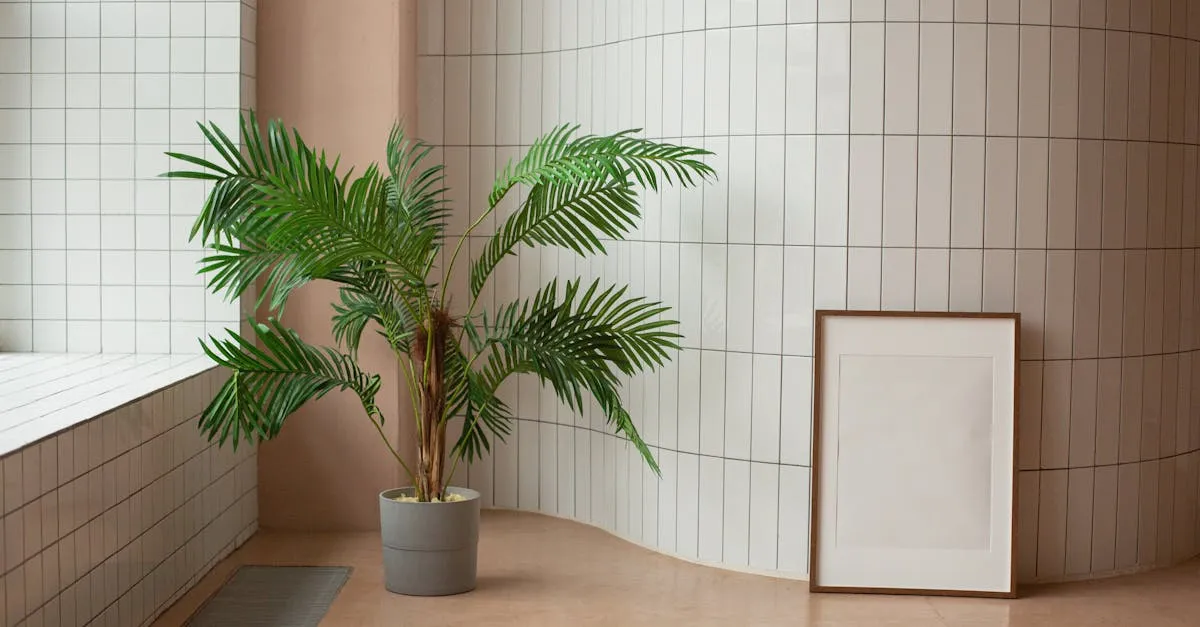
Feng shui is an old Chinese practice for arranging spaces so that energy, called qi, flows well, and plants are one of its favorite tools because they are alive and growing. This guide explains where feng shui houseplants are traditionally placed, where the tradition tells you to hold back, and which plants are the classic picks. One thing to be honest about up front: feng shui is a design tradition and a way of thinking about a room, not a tested science. Its core advice still happens to line up well with good plant care, which is why it is worth reading even if you take the energy talk with a pinch of salt.
Quick answer
Feng shui favours placing a healthy plant at the entrance, called the mouth of qi, in the wealth corner, which is the far back-left corner as you stand in the doorway looking in, and in living areas. It holds back on plants in bedrooms and on spiky plants near doors and walkways. The classic picks are the money tree, jade plant, pothos, and rubber plant, all with soft, rounded leaves. The plant’s condition matters more than the placement: a thriving plant lifts a room, and a dying one should be revived or removed.
why feng shui treats plants as living energy
In feng shui, everything in a room carries qi, and plants are seen as carriers of wood energy: growth, vitality, and upward movement. A healthy, thriving plant is thought to lift the energy of a space, while a sickly or dying one is thought to drain it. That last point is the practical heart of the tradition. A struggling plant in a dark corner genuinely does make a room feel worse, and the fix is the same one any plant guide would give you: better light, the right amount of water, and a clean, uncluttered spot. Feng shui also reads leaf shape as meaning, favouring soft, rounded leaves over sharp, spiky ones, on the idea that gentle shapes encourage calm, flowing energy.
where to place feng shui houseplants
These are the placements the tradition favours, ranked from the most commonly cited to the more specific.
Entrances and hallways. The front door is called the mouth of qi, where energy enters the home. A healthy plant just inside or beside it is meant to welcome good energy and soften a hard, bare entrance. In plain terms, it is also the first thing you and guests see, so it sets the tone.
The wealth corner. Stand in your front doorway looking in: the far back-left corner of the home, or of any room, is the traditional wealth and prosperity area. A lush, upward-growing plant here, classically a money tree or jade, is the signature feng shui move.
Living areas and shared rooms. Living rooms, dining rooms, and home offices are good homes for larger plants, where their growth energy supports activity and connection. A statement plant works well here, and our living room plant picks cover options by size and difficulty. If you follow a related Indian tradition, houseplants and Vastu placement covers which corners and directions suit which plants.
Beside harsh corners or edges. Feng shui dislikes the sharp lines of furniture and structural corners, called poison arrows. A soft, leafy plant placed in front of one is meant to break up that hard energy.
where feng shui tells you to hold back
Bedrooms. Traditional feng shui is cautious about plants in the bedroom, on the idea that their active growth energy disturbs rest. This is the most debated rule, and the science does not support the old fear that plants steal your oxygen at night. If you like greenery where you sleep, a calm, low-key plant is fine. See our take on bedroom plants and nighttime oxygen.
Spiky plants near doors and walkways. Cacti and sharp, spiny succulents are thought to send out cutting energy, so the tradition keeps them away from entrances and busy paths. There is a grain of sense here too: a spiny plant at a doorway is something people actually brush against.
Dead or neglected plants anywhere. This is the one rule worth taking literally. A dying plant is held to drag energy down, so either revive it or remove it.
A thriving plant lifts a room and a dying one weighs it down, which is true whether or not you believe in qi.
the classic plant picks
Round, full leaves are the feng shui ideal, which is why a few plants come up again and again.
Money tree (Pachira). The signature wealth plant, often sold with a braided trunk. See money tree care and its feng shui meaning for the lore.
Jade plant. A round-leaved succulent long linked to prosperity, easy to keep on a bright sill. Start with jade plant care.
Pothos. Heart-shaped leaves and forgiving nature make it a popular pick for softening corners and shelves.
Rubber plant. Broad, glossy, rounded leaves and an upright habit suit the wealth corner and living areas.
putting feng shui to work without overthinking it
If you take one idea from this tradition, make it the simplest: put a single healthy, round-leaved plant somewhere you pass often, like the entrance or the back-left corner, and keep it genuinely thriving. The placement rules matter far less than the plant’s condition, so resist filling every corner and instead tend the few you have well. A wilting money tree in the wealth corner does nothing for a room, while one lush jade on a bright sill earns its place whether or not you believe in qi.
Where to go next
Hoya Plant Benefits, Feng Shui, and Good Luck Meaning
What hoya plants offer their owners, from fragrance and easy greenery to feng shui and good luck symbolism, with an honest take.
Snake Plant Benefits, Bedroom Air, and Feng Shui Meaning
Snake plants get credit for cleaning air, releasing oxygen at night, and bringing good feng shui; here is what holds up and what is overstated.
Houseplants and Vastu: Where to Place Plants for Good Energy
A plain guide to placing houseplants by Vastu Shastra, which directions and rooms it favours, with an honest note on what the tradition actually promises.
Not sure what plant you have? Identify it from a photo and we will point you at its care guide.
Frequently asked questions
Where should you place a plant for good feng shui?
The most cited spots are the entrance, called the mouth of qi, where a healthy plant is meant to welcome good energy, and the wealth corner, the far back-left corner as you stand in the doorway looking in. Living rooms, dining rooms, and home offices suit larger plants.
Which plants are considered good feng shui?
The classic picks are the money tree, jade plant, pothos, and rubber plant, all with the soft, rounded leaves the tradition favours. A round-leaved plant kept genuinely thriving matters more than any specific species.
Are plants bad feng shui in the bedroom?
Traditional feng shui is cautious about bedroom plants on the idea that their active growth energy disturbs rest, but this is the most debated rule, and the science does not support the old fear that plants steal your oxygen at night. A calm, low-key plant is fine if you like greenery where you sleep.
What is the wealth corner for plants?
Stand in your front doorway looking in: the far back-left corner of the home, or of any room, is the traditional wealth and prosperity area. A lush, upward-growing plant there, classically a money tree or jade, is the signature feng shui move.