Jade Plant Benefits, Feng Shui, and Good Luck Meaning
What jade plants symbolize, where feng shui suggests placing them for prosperity, and an honest look at their claimed home benefits.
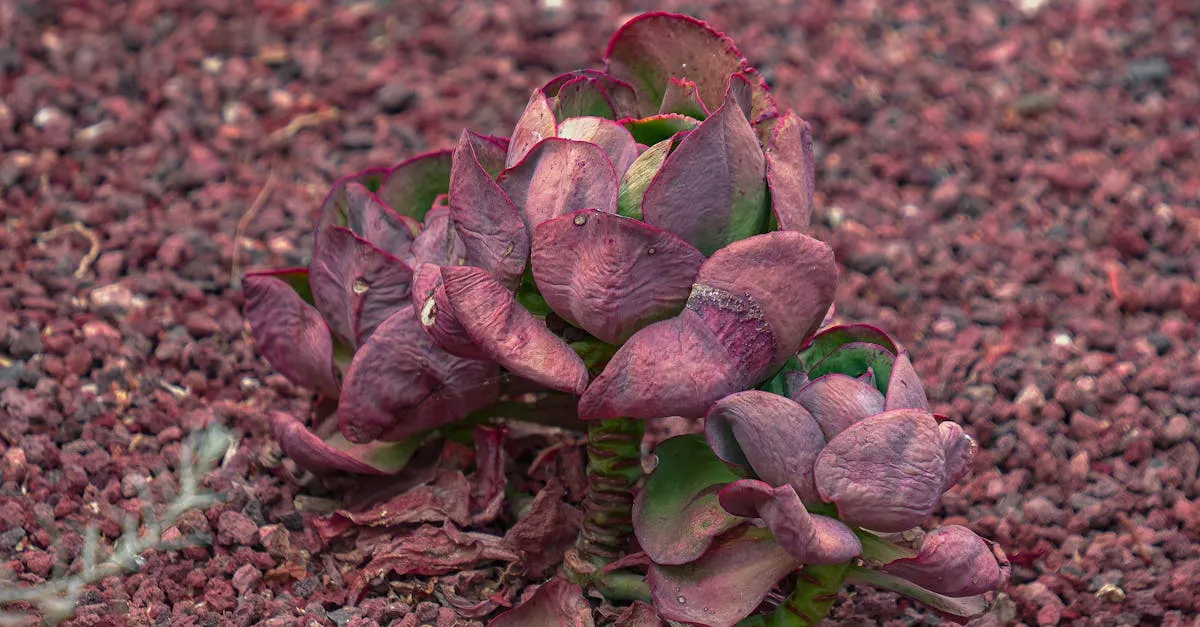
The jade plant has been carried into homes and shops for generations as a symbol of prosperity, which is why so many people search for jade plant feng shui advice when they bring one home. The honest position is this: the plant cannot change your finances, but it is a genuinely good houseplant, and the tradition behind it is a pleasant piece of culture rather than a guarantee. This article covers what the symbolism means, where people traditionally place a jade plant, and the one safety point that matters if you own a cat or dog.
Why the jade plant is called the money plant
Jade plants (Crassula ovata) earned the nicknames “money plant,” “money tree,” and “lucky plant” mainly because of their leaves. The plump, rounded, coin-shaped leaves resemble jade coins, and jade itself has long been a precious stone in Chinese culture. The color green also reads as growth and renewal. On top of that, the plant is slow, steady, and long-lived: a jade can survive for decades and be passed down a generation, which fits a symbol meant to represent lasting wealth rather than a quick windfall.
It is worth being clear that this is association, not mechanism. The leaf shape inspired the name; the name did not give the plant any power. None of that makes the tradition worthless. A gift jade given at a shop opening or a new home carries a real, warm meaning, and that is the point of it.
Jade plant feng shui placement
In feng shui practice, the jade plant is most often placed in a few specific spots, listed here from most common to least.
Near the entrance. A jade by the front door, or just inside it, is the classic placement. The idea is that it welcomes prosperity as it enters the home. In practice, an entryway is often bright, so it can also be a sensible spot for the plant’s light needs.
In the wealth corner. Many practitioners place a jade in the southeast of the home or room, the area linked to wealth and abundance, or in the far-left corner from the front door. Offices and shop counters are popular too, which is why you often see one near a till.
Avoiding bedrooms and bathrooms. Traditional advice steers the jade away from bedrooms and bathrooms, where its energy is considered a poor fit. There is no plant-care reason to avoid these rooms as long as the light is adequate. Other plants carry similar associations; the rubber plant is another popular choice with its own placement traditions.
Treat feng shui placement as a tradition you enjoy, not a rule you must obey: put the plant where it will actually get good light.
Feng shui is a cultural belief system, not a tested effect. If a placement appeals to you, follow it; if it conflicts with where your plant will thrive, choose the light. A jade needs several hours of direct sun to stay compact and healthy, and a stretched, leggy plant in the “correct” corner helps no one.
What a jade plant genuinely does for you
Set the luck aside and a jade still earns its place. It is one of the easiest succulents to keep, tolerant of neglect, and forgiving of irregular watering, which makes it a good first plant and a calm presence on a desk or windowsill. The hoya is another low-fuss plant with its own good-luck associations worth knowing about. Caring for a plant over years, and watching a jade slowly thicken into a small tree, is a quiet, steady satisfaction. That sense of routine and small progress is the real, observable benefit, and it does not depend on any corner of the house. For the practical side, see our jade plant care guide and our beginner succulent guide.
Is the jade plant safe for pets?
This is the part to take seriously. The jade plant is mildly toxic to cats and dogs. If a pet chews the leaves, the usual signs are vomiting, lethargy, a loss of coordination, and a slower heart rate. Reactions are usually mild, but they are unpleasant, and a curious cat can return to the same plant repeatedly.
The safest move is to keep a jade out of reach: a high shelf, a hanging position, or a room your pet does not enter. If you want a prosperity plant without the worry, the money tree sense of symbolism is widely shared, and our pet-safe houseplants guide lists greenery that carries no risk at all. If you suspect your pet has eaten any jade, contact your vet.
Where to put your jade and what to watch
If you take one thing from all this, let it be the light: a jade parked in a dim “wealth corner” will grow pale and leggy within a season, so pick the brightest spot first and let the symbolism follow. Give it several hours of direct sun, water only when the soil has dried out, and keep it clear of any pet that likes to chew, and you will have a plant that genuinely lasts for years. That slow thickening into a small tree is the real reward here, and it arrives whether or not you believe in the luck.
Where to go next
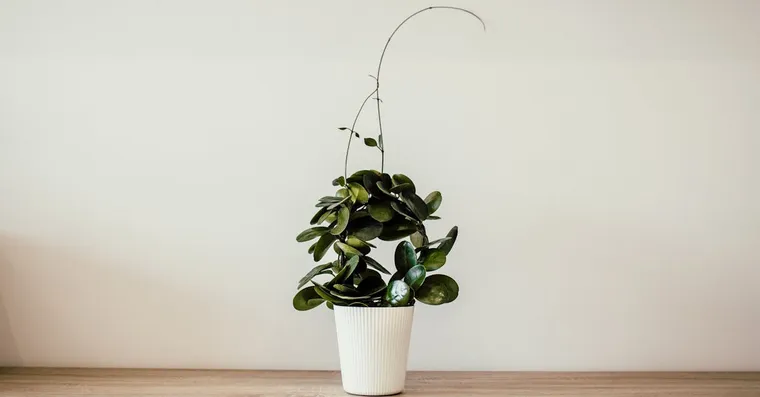
Hoya Plant Benefits, Feng Shui, and Good Luck Meaning
What hoya plants offer their owners, from fragrance and easy greenery to feng shui and good luck symbolism, with an honest take.
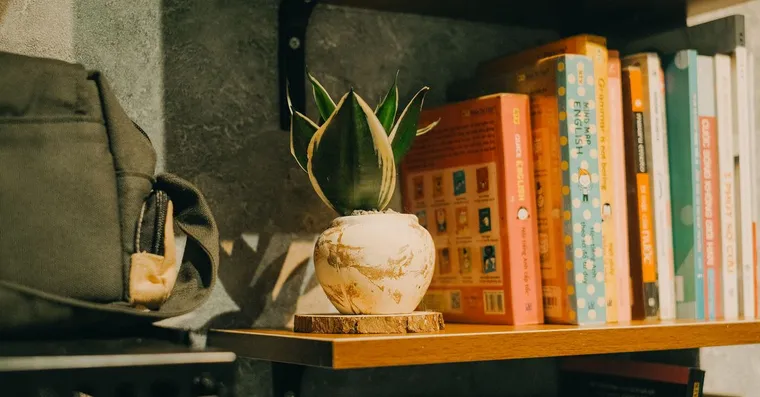
Snake Plant Benefits, Bedroom Air, and Feng Shui Meaning
Snake plants get credit for cleaning air, releasing oxygen at night, and bringing good feng shui; here is what holds up and what is overstated.
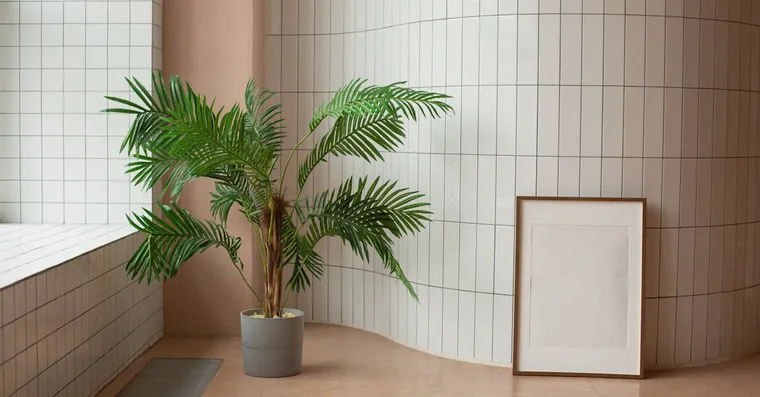
Feng Shui Houseplants: Where to Place Them
How feng shui treats houseplants, which rooms and corners are said to suit them, and a practical, honest take on placing plants for a calmer home.
Not sure what plant you have? Identify it from a photo and we will point you at its care guide.