Hoya Plant Benefits, Feng Shui, and Good Luck Meaning
What hoya plants offer their owners, from fragrance and easy greenery to feng shui and good luck symbolism, with an honest take.
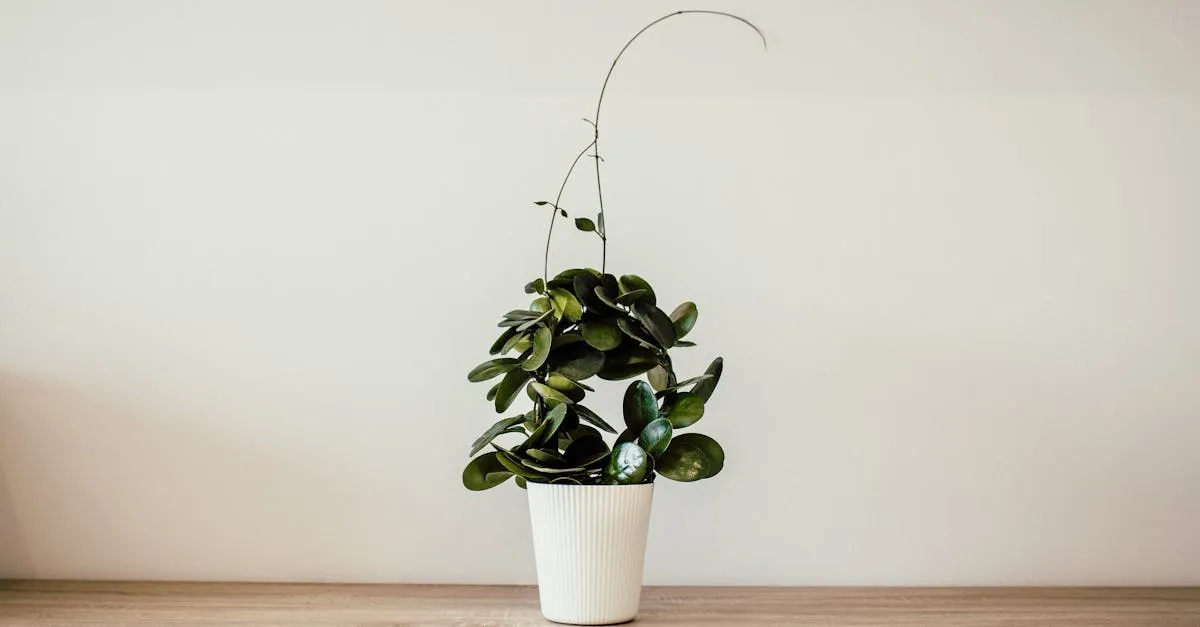
Hoyas have a quiet, loyal following, and the question of hoya plant benefits comes up often once people see one in flower. The honest answer: the main benefits are real and modest. You get a low-effort trailing plant and, in time, clusters of sweet-smelling flowers, plus a strong place in feng shui and good luck traditions. What you should not expect is a noticeable change to your air quality.
Quick answer
The real benefits of a hoya are modest and genuine: fragrant, star-shaped flower clusters whose scent often strengthens in the evening, very low effort thanks to thick leaves that store water, a life of decades with cuttings that root easily, and calm trailing greenery. In feng shui the hoya stands for lasting love and friendship, and practice tends to favor the southeast, linked to wealth and abundance, or the east, linked to family and health. What a hoya will not do is clean your air: the famous studies behind that claim were run in sealed laboratory chambers, and matching them in a normal room would take dozens or hundreds of plants.
The everyday benefits of a hoya plant
For most people, the real value of a hoya is how little it asks in return for what it gives.
Fragrant flowers. This is the headline benefit. Many hoyas, including the common hoya carnosa, produce star-shaped flower clusters with a scent that often strengthens in the evening. The fragrance varies by species, from honey to chocolate to faintly vanilla, and it fills a room without an air freshener.
Very low effort. Hoyas are forgiving. Their thick, waxy leaves store water, so they tolerate a missed watering far better than a fern or a calathea. They are happy slightly pot-bound and do not need frequent repotting. If you want greenery without a schedule, this is a sensible choice, and a good companion to the easiest beginner houseplants.
Long life and easy sharing. A healthy hoya can live for decades and gets better with age, since older plants flower more readily. Cuttings root easily, so one plant becomes many. That makes a hoya a genuine heirloom you can pass to friends and family, which is part of why it carries good luck meaning.
Calm, decorative greenery. Trailing vines and tidy leaves soften a shelf, a windowsill, or a hanging spot. Tending a plant you enjoy can be a small, steadying part of a day, and that quiet stress-relief effect is well worth having, even if it is hard to measure.
What a hoya will not do: the air-purifying claim
You will often see hoyas, and houseplants generally, sold as air purifiers. Be skeptical. The famous studies behind that idea were done in sealed laboratory chambers, not in real rooms with doors, windows, and constant airflow. To match those results in a normal home, you would need dozens or hundreds of plants per room.
A hoya is good for you in other ways, but it is not an air filter. For the full evidence, see whether houseplants actually purify the air. One genuine, smaller point: keeping the leaves clean helps the plant more than it helps you, so wipe the foliage now and then.
Buy a hoya for its flowers and its easy nature, not for cleaner air.
Hoya feng shui and good luck meaning
In feng shui, hoyas are valued for rounded, abundant leaves and for flowers that symbolize lasting love and friendship. The hoya kerrii, with its single heart-shaped leaf, is sold widely as a love token, which has given the whole genus a reputation for warmth and good fortune.
Placement. Feng shui practice tends to favor the southeast, linked to wealth and abundance, or the east, linked to family and health. A living room or a bright entrance hall is a common choice. For a larger plant in the same tradition, rubber plant feng shui placement covers how its broad leaves fit those same principles.
Why the advice also makes plant sense. Feng shui guidance often says to keep the plant healthy and well lit, and to avoid a dark, neglected corner. That is sound horticulture too. A hoya in poor light will sulk and refuse to flower, so a spot that suits the plant usually suits the intention behind it.
Treat feng shui as tradition and intention rather than a guaranteed outcome. If placing a hoya in a meaningful spot makes you more likely to care for it, that is a real, if indirect, benefit.
Getting the benefits: keep the plant happy
None of the above arrives on its own. To enjoy the flowers and the easy greenery, give the plant bright, indirect light, water only when the soil has dried, and resist over-potting. If yours is healthy but not blooming, see why a hoya may not flower, which usually comes down to light and patience.
What to expect once your hoya settles in
The single mistake worth avoiding is moving a hoya into a dim “lucky” corner and expecting flowers; choose a bright spot you also happen to like, then leave the plant alone to mature, because blooms tend to arrive only after a year or two and on the same spurs each summer. Good looks like a slightly pot-bound plant with clean, glossy leaves and scented clusters in the warmer months, not a fast transformation. If you treat the first flowering season as a patience test rather than a deadline, the hoya will usually reward you.
Where to go next
Feng Shui Houseplants: Where to Place Them
How feng shui treats houseplants, which rooms and corners are said to suit them, and a practical, honest take on placing plants for a calmer home.
Jade Plant Benefits, Feng Shui, and Good Luck Meaning
What jade plants symbolize, where feng shui suggests placing them for prosperity, and an honest look at their claimed home benefits.
Snake Plant Benefits, Bedroom Air, and Feng Shui Meaning
Snake plants get credit for cleaning air, releasing oxygen at night, and bringing good feng shui; here is what holds up and what is overstated.
Not sure what plant you have? Identify it from a photo and we will point you at its care guide.
Frequently asked questions
What are the benefits of a hoya plant?
The real benefits are modest and genuine: fragrant, star-shaped flower clusters whose scent often strengthens in the evening, very low effort thanks to thick, waxy leaves that store water, a life of decades with cuttings that root easily, and calm trailing greenery for a shelf or hanging spot.
What does a hoya mean in feng shui?
In feng shui, hoyas are valued for rounded, abundant leaves and for flowers that symbolize lasting love and friendship. The hoya kerrii, with its single heart-shaped leaf, is widely sold as a love token, which has given the whole genus a reputation for warmth and good fortune.
Where should a hoya be placed for good luck?
Feng shui practice tends to favor the southeast, linked to wealth and abundance, or the east, linked to family and health; a living room or bright entrance hall is a common choice. The advice also makes plant sense, since a hoya in poor light will sulk and refuse to flower.
Do hoya plants purify the air?
Not meaningfully. The famous studies behind the air-purifying claim were run in sealed laboratory chambers, and matching those results in a normal home would take dozens or hundreds of plants per room. Buy a hoya for its flowers and its easy nature, not for cleaner air.
Sources
- Wolverton, B. C., Johnson, A. & Bounds, K. (1989). Interior Landscape Plants for Indoor Air Pollution Abatement. NASA Technical Memorandum, John C. Stennis Space Center.
- Cummings, B. E. & Waring, M. S. (2020). Potted plants do not improve indoor air quality: a review and analysis of reported VOC removal efficiencies. Journal of Exposure Science & Environmental Epidemiology, 30, 253-261.