Why Is My Hoya Not Flowering? How to Get Blooms
The real reasons a hoya refuses to bloom, plus the light, age, and watering changes that actually trigger those waxy flower clusters.
Some links in this guide go to Amazon. As an Amazon Associate we earn from qualifying purchases, at no extra cost to you. How this works.
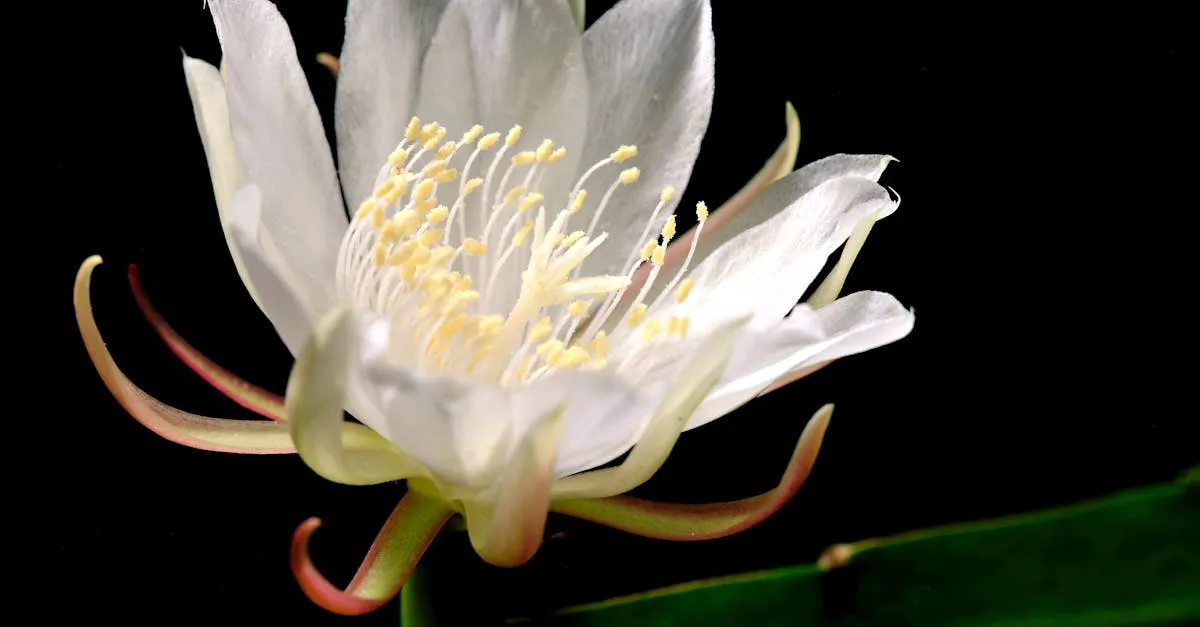
A hoya not flowering is rarely a sick plant: it is almost always a plant that has not yet been given a reason to bloom, or one that has had its flowering structures accidentally removed. Hoyas flower from permanent stubs called spurs, and they need maturity and steady light before they will use them. Work through the causes below in order, because the most common one is also the easiest to fix.
Quick answer
A hoya that will not flower almost always needs more light, more maturity, or has had its flowering spurs cut off. Give it the brightest spot you have short of harsh midday sun, and never remove the bare, leafless stalks left after blooming: hoyas rebloom from those same spurs year after year, so cutting them off removes next season’s flowers. Most hoyas also need two to three years from a young plant before the first bloom, and slightly crowded roots in a snug pot encourage flowering.
The most common reason: not enough light
Light is the single biggest lever on whether a hoya blooms. A hoya will survive in a dim corner and even push out new leaves there, but it will not flower without bright light for most of the day. The plant needs the energy surplus that only strong light provides before it will spend resources on flowers.
Give it the brightest spot you have short of harsh midday sun: an east window, or 3 feet (1 m) back from a south or west window. A few hours of gentle direct sun is fine and often helps. If your home simply does not have a bright window, a grow light on a 12-hour timer will do the job. If you have grown your hoya for a year with healthy leaves and no buds, weak light is the first thing to correct, and you should expect to wait a couple of months after the move before anything changes. See how much light houseplants actually need for placement specifics.
The mistake almost everyone makes: cutting off the spurs
This is the honest answer most care guides skip. After a hoya finishes blooming, it leaves behind a bare, leafless stalk where the flowers were. It looks dead or untidy, and the instinct is to snip it off. Do not.
That stalk is a spur, and a hoya reblooms from the same spurs year after year, often producing larger clusters each time. Cut the spur away and you remove next season’s flowers along with it. A plant that bloomed once and never again has very often been “tidied” by its owner.
Leave every bare flower stalk in place: that is where next year’s blooms come from.
The same caution applies to general pruning. Trim only damaged growth, and never remove a spur, even one that has not flowered for a season.
Your hoya may simply be too young
Hoyas bloom on maturity, not age in months. Many popular types, including Hoya carnosa, will not flower until they have several long, established vines and the plant is genuinely settled. A cutting bought last year is usually too young no matter how well you treat it.
There is no shortcut here. Keep the plant in bright light, let the vines run rather than trimming them back, and give it time. Most hoyas need two to three years from a young plant before the first bloom, and a Hoya kerrii sold as a single rooted leaf may never flower at all, because a leaf alone has no vine to produce spurs.
Over-potting quietly delays blooms
Hoyas flower more reliably when their roots are slightly crowded. Move a hoya into a large pot and it will spend its energy filling that space with roots instead of producing flowers. This is the opposite of how most houseplants are treated, so it is worth stating plainly.
Keep your hoya in a snug pot and only repot when roots are clearly circling and pushing out of the drainage holes, then go up just one size. Use a chunky, fast-draining mix with bark or perlite. A pot that stays wet also discourages flowering and risks root rot, so let the mix dry out well between waterings.
Smaller factors that can tip the balance
Once light, maturity, spurs and pot size are right, a few finishing touches help.
Feeding. Use a fertilizer with a little more phosphorus through spring and summer. Heavy nitrogen feed grows leaves at the expense of flowers, so avoid overfeeding.
A slight stress signal. A cool, slightly drier rest in winter, with reduced watering and a few degrees cooler, can prompt heavier blooming the following season.
Stability. Hoyas dislike being moved and fussed with. Once you find a bright spot, leave the plant there and let buds develop undisturbed.
When the first buds finally appear
The slowest part is the wait for maturity, so resist the urge to keep moving or repotting a plant that is otherwise healthy, since disturbance resets the clock more often than anything else. Once you spot the first tight bud cluster, leave it completely alone, as buds knocked or jostled at this stage often drop before they open. Get the light right this spring, leave every spur in place, and a hoya that has never bloomed will usually reward you within a season or two.
Where to go next
Black and Brown Spots on Hoya Leaves: Causes and Fixes
What black and brown spots on hoya leaves mean, how to tell sunburn from fungal disease, and the steps to stop them spreading.
Why Are My Hoya Leaves Turning Yellow or Dropping?
How to diagnose why your hoya is turning yellow or dropping leaves, from overwatering to light and cold, and how to fix it.
Fungus Gnat Larvae: What They Look Like and How to Kill Them
Fungus gnat larvae live in the top few centimetres of soil and eat roots. Here is how to confirm you have them and the treatments that actually clear them.
Not sure what plant you have? Identify it from a photo and we will point you at its care guide.
Frequently asked questions
Why is my hoya not flowering?
Almost always one of three things: not enough light, not enough maturity, or spurs that have been cut off. Light is the biggest lever, because a hoya needs the energy surplus that only strong light provides before it will spend resources on flowers. Most hoyas also need two to three years from a young plant before the first bloom. Work through those three in order, because the most common one is also the easiest to fix.
Should I cut off the bare stalk after my hoya flowers?
Never. That bare, leafless stalk is a spur, and a hoya reblooms from the same spurs year after year, often producing larger clusters each time. Cutting it away removes next season's flowers along with it. A plant that bloomed once and never again has very often been tidied by its owner. The same caution applies to general pruning: trim only damaged growth, and leave every spur in place even if it has not flowered for a season.
How much light does a hoya need to bloom?
The brightest spot you have, short of harsh midday sun. An east window works, or 3 feet (1 m) back from a south or west window, and a few hours of gentle direct sun is fine and often helps. If your home has no bright window, a grow light on a 12-hour timer will do the job. Expect to wait a couple of months after moving the plant before anything changes.
Does repotting stop a hoya from flowering?
It can. Hoyas flower more reliably when their roots are slightly crowded, so moving one into a large pot makes it spend its energy filling that space with roots instead of producing flowers. Keep it in a snug pot, repot only when roots are clearly circling and pushing out of the drainage holes, and then go up just one size. A pot that stays wet also discourages flowering and risks root rot.