Hoya Kerrii Care: The Sweetheart Plant Explained
How to care for Hoya kerrii, the heart-shaped sweetheart plant, including light, watering, and whether a single-leaf cutting will ever grow.
Some links in this guide go to Amazon. As an Amazon Associate we earn from qualifying purchases, at no extra cost to you. How this works.
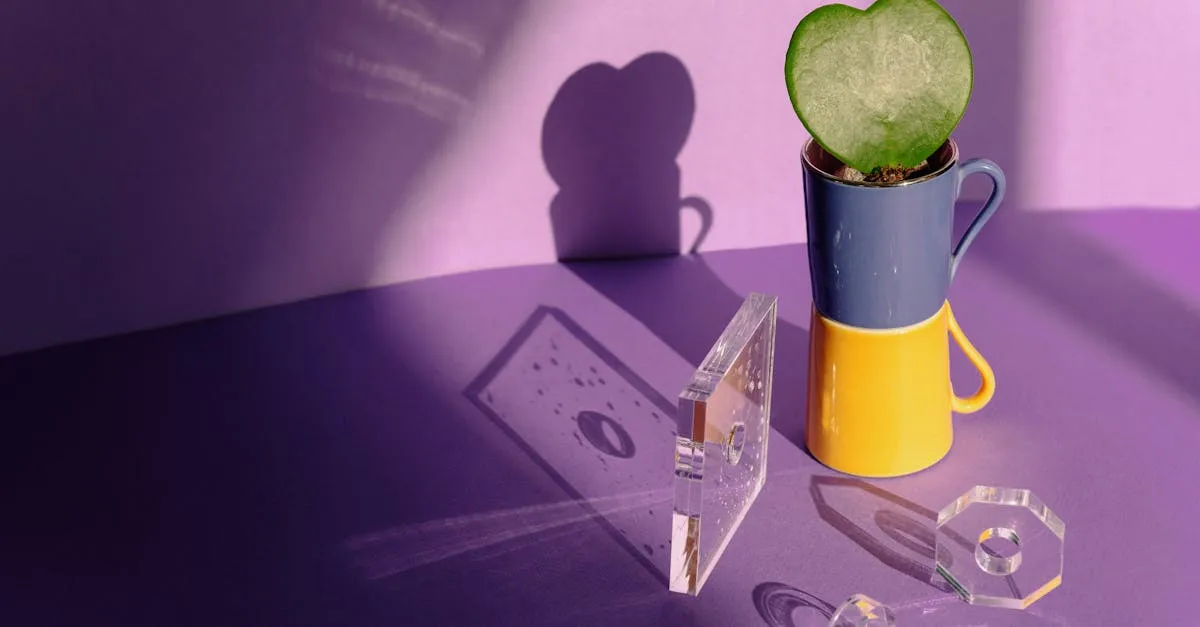
The Hoya kerrii is sold everywhere around Valentine’s Day as a single fat heart-shaped leaf potted in a small container, often labeled “sweetheart plant” or “lover’s plant”. Here is the honest starting point for hoya kerrii care: if that leaf was cut without a piece of stem and a node attached, it will live for years as a single leaf and never grow into a vine. A whole-plant kerrii, by contrast, is a slow but rewarding trailing hoya that behaves much like its more common relatives.
The single-leaf cutting problem buyers are rarely told
A leaf is not a plant. A Hoya kerrii leaf can root on its own and survive for years, storing water in its thick tissue, but without a node it has no growth point. No node means no stem, no new leaves, and no vine. The plant simply cannot produce them.
This is the part shops leave out. The cute potted heart is usually a leaf cutting taken without stem, so what you see is what you get, possibly forever. It is not unhealthy and not a scam exactly, but it is not going to become the lush trailing plant in the catalog photo.
How to check what you bought. Look at the base of the leaf where it meets the soil. If there is a short piece of woody stem with a small bump or growth point, you have a node and the plant can eventually vine. If the leaf petiole goes straight into the soil with nothing else, it is a solo leaf. Buy a plant with two or more leaves on a connected stem if you want one that grows.
Hoya kerrii light needs
Light. A Hoya kerrii wants bright, indirect light. A spot near an east window, or 3 to 6 feet (1 to 2 m) back from a south or west window, suits it well. Too little light and a node-bearing plant will sit still and never vine; harsh midday sun through glass can scorch and yellow the leaves. If your space is dim, a grow light will keep it growing.
A single leaf still benefits from good light, even though it will not grow. Decent light keeps the leaf firm and green rather than slowly fading.
Watering without rotting it
Hoya kerrii is a succulent-leaved plant, and its thick leaves are water stores. It is far more often killed by overwatering than by neglect.
Water only when the soil has dried out almost completely, then water thoroughly and let the excess drain away. In a bright spot that might mean every two to three weeks; in winter, less. A single leaf needs even less, since it has no foliage drawing water up and no roots demanding much. Let it get bone dry between drinks.
When in doubt with a hoya, wait: a thirsty one recovers in a day, a rotted one does not recover at all.
Use a fast-draining mix and a pot with a drainage hole. A cactus or succulent mix, or a chunky aroid mix with added perlite and orchid bark, works well. Soggy soil is the fastest route to root rot.
Growth habit and what to expect
A whole-plant Hoya kerrii is slow. Even a healthy node-bearing plant may do little in its first year or two while it establishes roots, then begin sending out a vining stem. Those stems can climb a small trellis or trail from a shelf, and mature plants eventually produce clusters of star-shaped flowers, though blooms take patience.
Feeding. During spring and summer, a dilute balanced fertilizer every few weeks supports growth. Skip it in winter and skip it entirely for a single leaf, which has nothing to feed. Our general guide to fertilizing houseplants covers the details.
Repotting. Hoyas like being a little snug, so repot only every few years when roots fill the pot. Because the rest of kerrii care, propagation, and flowering closely tracks the wider genus, see Hoya Carnosa Care for the broader picture, How to Propagate Hoya from Cuttings for taking node-bearing cuttings, and Why Is My Hoya Not Flowering? if you are waiting on blooms.
Common problems
Ranked by how often they turn up:
- Soft, yellowing, or blackening leaves. Almost always overwatering or poor drainage. Let the soil dry fully and check the roots.
- A leaf that never grows. Not a problem to fix: it is a nodeless single-leaf cutting doing exactly what it can.
- Wrinkled, shriveled leaves. Underwatering, or roots damaged by earlier rot. Water and reassess.
- Pale or scorched patches. Too much direct sun. Move it back from the glass.
Before you buy your next sweetheart plant
If you want a kerrii that will eventually vine, check the base of the leaf for a node before you pay, because no shop will turn a solo leaf into a growing plant after the fact. Treat whatever you already own as a slow succulent: bright indirect light, a thorough soak only once the soil is bone dry, and patience measured in years rather than weeks. Get the watering restraint right first, since that single habit is what keeps both leaves and whole plants alive long enough to reward you.
Where to go next
Hoya Carnosa Care: Growing the Wax Plant Indoors
A complete care guide to Hoya carnosa, covering light, watering, soil, and humidity so the wax plant stays healthy and eventually blooms indoors.
Aeonium Care: Growing Black Rose and Other Varieties
How to care for aeonium succulents including the dark Zwartkop, with advice on their summer dormancy, watering, and light needs.
Bird's Nest Fern Care: A Forgiving Fern for Lower Light
How to care for a bird's nest fern indoors, a forgiving fern that tolerates lower light and needs less fuss than most ferns.
Not sure what plant you have? Identify it from a photo and we will point you at its care guide.