Hoya Carnosa Care: Growing the Wax Plant Indoors
A complete care guide to Hoya carnosa, covering light, watering, soil, and humidity so the wax plant stays healthy and eventually blooms indoors.
Some links in this guide go to Amazon. As an Amazon Associate we earn from qualifying purchases, at no extra cost to you. How this works.
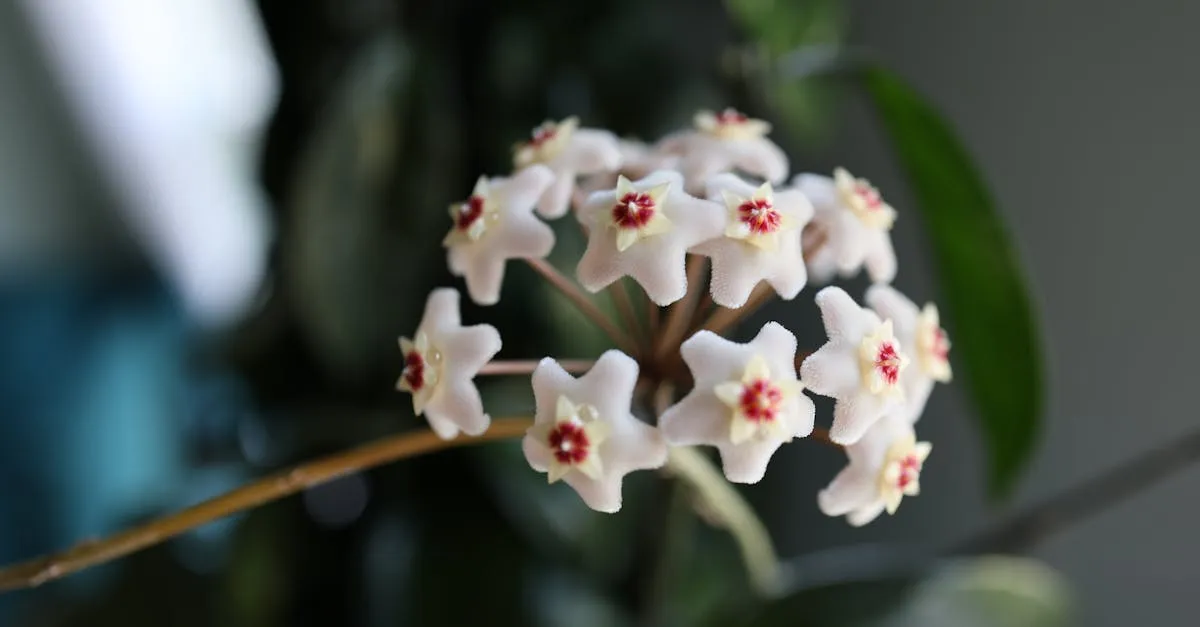
The Hoya carnosa, or wax plant, has a reputation as a fussy bloomer, but the truth is simpler: it is one of the easiest houseplants you can grow. Good hoya carnosa care is mostly about getting light right and then leaving the plant alone. It grows slowly, lives for decades, and rewards patience with clusters of star-shaped, sweetly scented flowers.
Why the wax plant earns its easy reputation
The thick, waxy leaves are a clue to how this plant works. They store water, which means a hoya copes well with the occasional missed watering and dislikes constant moisture. It is a tropical climber that grows on trees in the wild, not in soil, so it wants its roots airy and its top half reaching for light. Treat it as a low-effort plant that you check on, not one you tend daily, and it will do well. If you are new to houseplants, it belongs on the same shortlist as the easiest beginner plants.
Light for hoya carnosa care
Light. A hoya tolerates a range of conditions but only flowers in bright light. Give it the brightest spot you can short of harsh midday summer sun: an east or west window is ideal, and 3 feet (1 m) or so back from a south-facing one works well. In low light it survives but stays green, leggy, and bloomless. If your windows are dim, a grow light makes a real difference.
Watering. Let the top inch or two (3 to 5 cm) of soil dry out before watering, then water thoroughly until it drains. In winter, wait longer. The most common way to kill a hoya is overwatering, which leads to root rot. Wrinkled, soft leaves usually mean too much water, not too little.
Soil. Use a loose, fast-draining mix. A standard potting mix cut with orchid bark and perlite suits a hoya well, roughly one part each. The aim is a medium that holds a little moisture but never stays soggy. See choosing a potting mix if you are unsure.
Humidity, feeding, and support
Humidity. Average household humidity is fine. Hoya carnosa is more forgiving than most tropical plants, and the waxy leaves resist drying out. Higher humidity speeds growth slightly, but you do not need a humidifier to keep one healthy.
Feeding. Feed with a balanced liquid fertilizer at half strength every few weeks through spring and summer, and stop in winter. Some growers switch to a higher-phosphorus feed as flowering season approaches, though this matters less than light. Do not overfeed: a hoya grows slowly by nature and excess fertilizer will not change that.
Support. Hoya carnosa is a vine. You can let it trail from a shelf or train it up a trellis or hoop. Climbing tends to encourage more flowering, as the plant matures along longer stems. Either way, give it something to do with its growth.
Flowers reward patience, not fussing
The flowers appear on small woody stubs called spurs. This is the single most important thing to know: never cut off a spent flower stalk, because the plant reblooms from the same spur year after year. Remove it and you remove next year’s flowers.
A hoya blooms when it is mature, well lit, and slightly pot-bound, not when you fuss over it.
Young plants simply will not flower until they are a few years old, and they prefer a snug pot, so resist repotting too often. If yours stubbornly refuses, the dedicated guide on why a hoya will not flower covers the fixes in detail.
Where to go next in the hoya cluster
This guide covers the core of hoya carnosa care, but the wider topic has its own articles. For other types worth growing, see hoya varieties and the hoya kerrii. To make more plants, read how to propagate hoya. And when something looks wrong, there are focused guides on yellow or dropping leaves and black and brown spots.
The slow road to a blooming wax plant
The single mistake that costs people their flowers is tidiness: snipping off the bare spurs or shuffling the plant to a new spot every few weeks resets the clock and keeps it leafy but bloomless. Settle a mature, pot-bound plant in your brightest window, leave the spurs alone, and let it dry out between drinks, and you can expect the first scented clusters to open in late spring or summer. Think in years rather than weeks, and a wax plant will likely outlast most of the rest of your collection.
Where to go next

Hoya Kerrii Care: The Sweetheart Plant Explained
How to care for Hoya kerrii, the heart-shaped sweetheart plant, including light, watering, and whether a single-leaf cutting will ever grow.
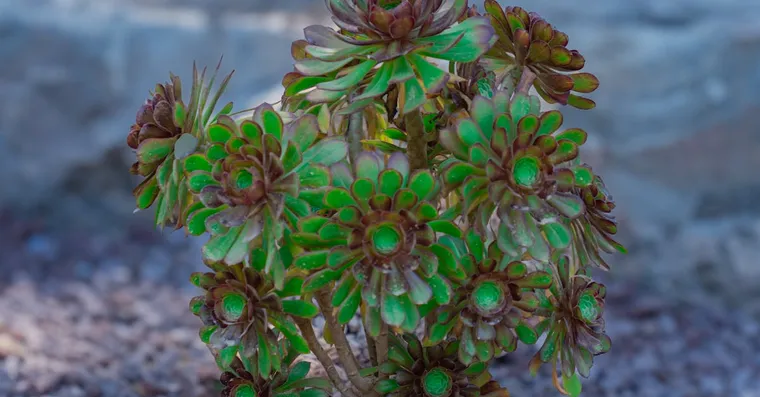
Aeonium Care: Growing Black Rose and Other Varieties
How to care for aeonium succulents including the dark Zwartkop, with advice on their summer dormancy, watering, and light needs.
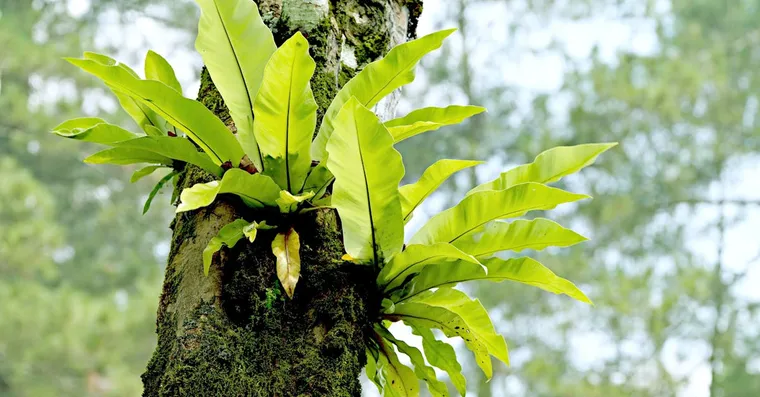
Bird's Nest Fern Care: A Forgiving Fern for Lower Light
How to care for a bird's nest fern indoors, a forgiving fern that tolerates lower light and needs less fuss than most ferns.
Not sure what plant you have? Identify it from a photo and we will point you at its care guide.